
Trinity River Fishing Report | December 2025
The report at a glance
Depth
Most rods dredged with a sinking head, from a Skagit-style line up to T8 through T14, to get flies down. Lighter Scandi and mid-belly setups covered shallower, transitional water. In very cold water the fish tuck into slow, deep holes.
Presentation
Indicator fishing a couple of nymphs below a bobber was the top numbers approach. Matt swung flies down and across on a tight line, added a mend, and swung to the dangle before stepping down the run.
Lures and baits
Nymphs fished under an indicator produced the numbers.
On the swing, traditional patterns in roughly size 4 to size 1.5 behind sinking heads.
No specific product named in this report.
Water temperature
Good, but can drop below 45 degrees when a cold snap moves in.
Water clarity
Clear
Water level
Low and clear, with no recent rain. The run worked was roughly 70 to 80 feet wide.
Weather
Cold, with no recent rain.
Advice for this week
Start with a short line and work out in three foot increments so you never line a fish before it sees your fly. When water drops below 45 degrees, slow the presentation down. Step down through the run all the way to the tailout so you leave no water untouched.
What is changing
The fishery sat between the fall and winter runs, with fresh winter-run fish entering the lower river.
Next week
Fresh winter run fish were entering the lower river, aggressive and strong, with fewer boats down low. Expect the winter run to keep building through the cold months as more fish push in from the ocean.
Notable catch
Matt Heron landed a 28.5 inch buck on the swing, the highlight of his week.
The Trinity River is one of California's best steelhead rivers, and Matt Heron fished it in low, clear, cold mid-December conditions for the Cast Hope tournament. Average adults run 21 to 28 inches, and Matt landed a 28.5 inch buck swinging flies with a two-handed spey rod. Indicator nymphing with a bobber and two flies is the most effective method. Winter fish are aggressive and moving.
How is steelhead fishing on the Trinity River right now?
Good, in low, clear, cold mid-December conditions. The Trinity is considered one of California's best steelhead rivers, usually a numbers game more than a size game. Average adults run 21 to 28 inches, with some fish over 30. Matt Heron landed a chrome 28.5 inch buck.
What is the most effective way to fish the Trinity River?
Indicator fishing. A bobber with a couple of nymphs below it is by far the most effective method, and most tournament teams used it. It fishes much like a typical trout nymphing trip and puts good numbers on the boat.
How do you swing flies for Trinity steelhead?
Cast down and across, mend, and swing on a tight line to the dangle, then pull off about three feet of line and repeat, stepping down the run. Start short so you do not line fish. Swinging targets aggressive fish that chase, so it catches fewer but delivers electric grabs.
What gear works for swinging Trinity steelhead?
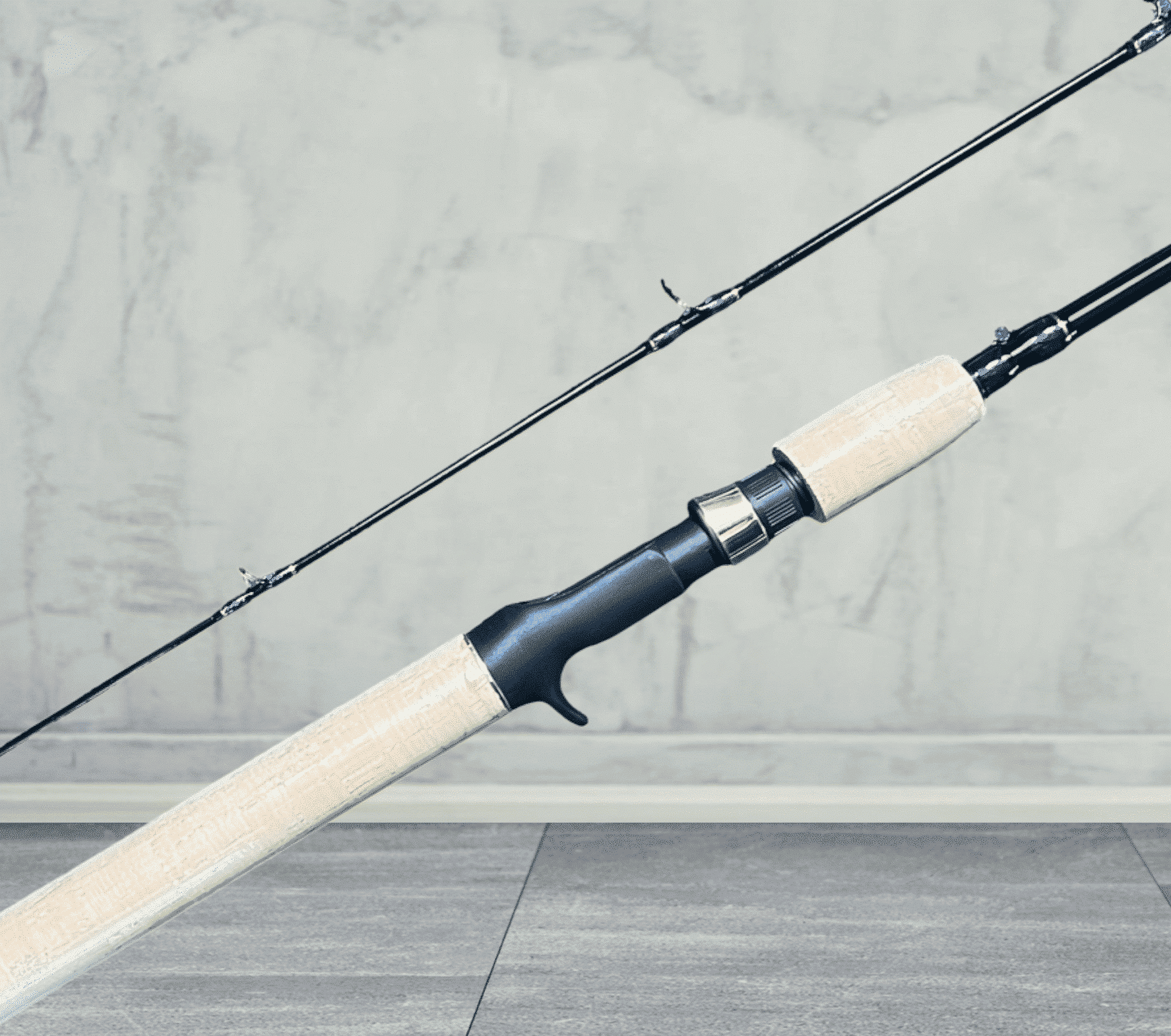
A two-handed spey rod covers the wide, 70 to 80 foot river efficiently. Guide Brian Clemens set up sinking heads, from a pickpocket or Skagit with T8 up to T14, to dredge, plus lighter Scandi and mid-belly lines with fluorocarbon leaders for shallower transitional water.
What are half-pounders on the Trinity River?
Young steelhead of about 14 to 18 inches that have touched brackish but not full saltwater. They show a slightly black hue to their tails and backs, fight like steelhead, and can fill a slow day. Some 16 to 18 inch fish that never touched salt still look just like trout.
Watch the full report
Trinity River December 2025 FAQ
Average adults run 21 to 28 inches, with some fish over 30 inches caught each year.
Indicator nymphing with a bobber and a couple of flies below it.
Low, clear, and cold, in between the fall and winter runs of fish.
A two-handed spey rod to cover the wide 70 to 80 foot river.
Young 14 to 18 inch steelhead that touched brackish water and show a slightly black hue.
A chrome 28.5 inch buck, the highlight of the tournament for him.
Sinking heads like a pickpocket or Skagit with T8 up to T14 for deep, slow water.