
Common Trout Fishing Mistakes to Avoid
The most common trout fishing mistakes and how to fix them, from fishing too deep to the magic-lure game and light tackle.
The most common trout fishing mistakes are fishing too deep, playing the magic-lure game, and using tackle that is too light for big fish. When the surface is 65 degrees or colder, active rainbows sit in the top 15 to 20 feet, not on the deep marks. Do not swap lures every 5 minutes when the bite dies, because sometimes fish simply will not feed. On lakes with big trout, run an 8 to 10 pound fluorocarbon leader, keep the drag loose, and net as a team. Do not just follow what everyone else on the water is doing.
What are the most common trout fishing mistakes?
The big ones are chasing deep marks when the fish are shallow, playing the magic-lure game and changing baits every few minutes, running tackle too light to land a big fish, quitting too early, and following the leader. Catch America guides across Shasta, Don Pedro, and the Sierra foothills name these same errors again and again.
Why do anglers lose big trout at the net?
They have no plan to land one. Cal Kellogg says if a lake holds 10 pound fish, run an 8 to 10 pound fluorocarbon leader at minimum, tie perfect knots, and keep the drag loose so a big fish cannot snap you off. Netting is a team sport. The angler gets the fish's head up first, and the netter never stabs at a fish until that head is up.
Am I fishing too deep for trout?
Probably, in cold water. When the surface is 65 degrees or less, active rainbows sit in the top 15 to 20 feet. Deep marks at 60 or 70 feet are usually inactive, sleeping fish. The most active trout ride right on top of the biomass, so keep your lures up high. In summer, the opposite is true, and the fish drop into the cool, deep water.
Should I keep changing lures when the bite dies?
No. There is no magical lure that forces fish to feed. Cal Kellogg calls swapping baits every 5 minutes the magic-lure game, and it rarely pays. Sometimes trout simply will not bite. Instead of dumping your box, make one deliberate change at a time, color, size, depth, or speed, and read how the fish respond. Take the fish's temperature.
Is copying other anglers a mistake?
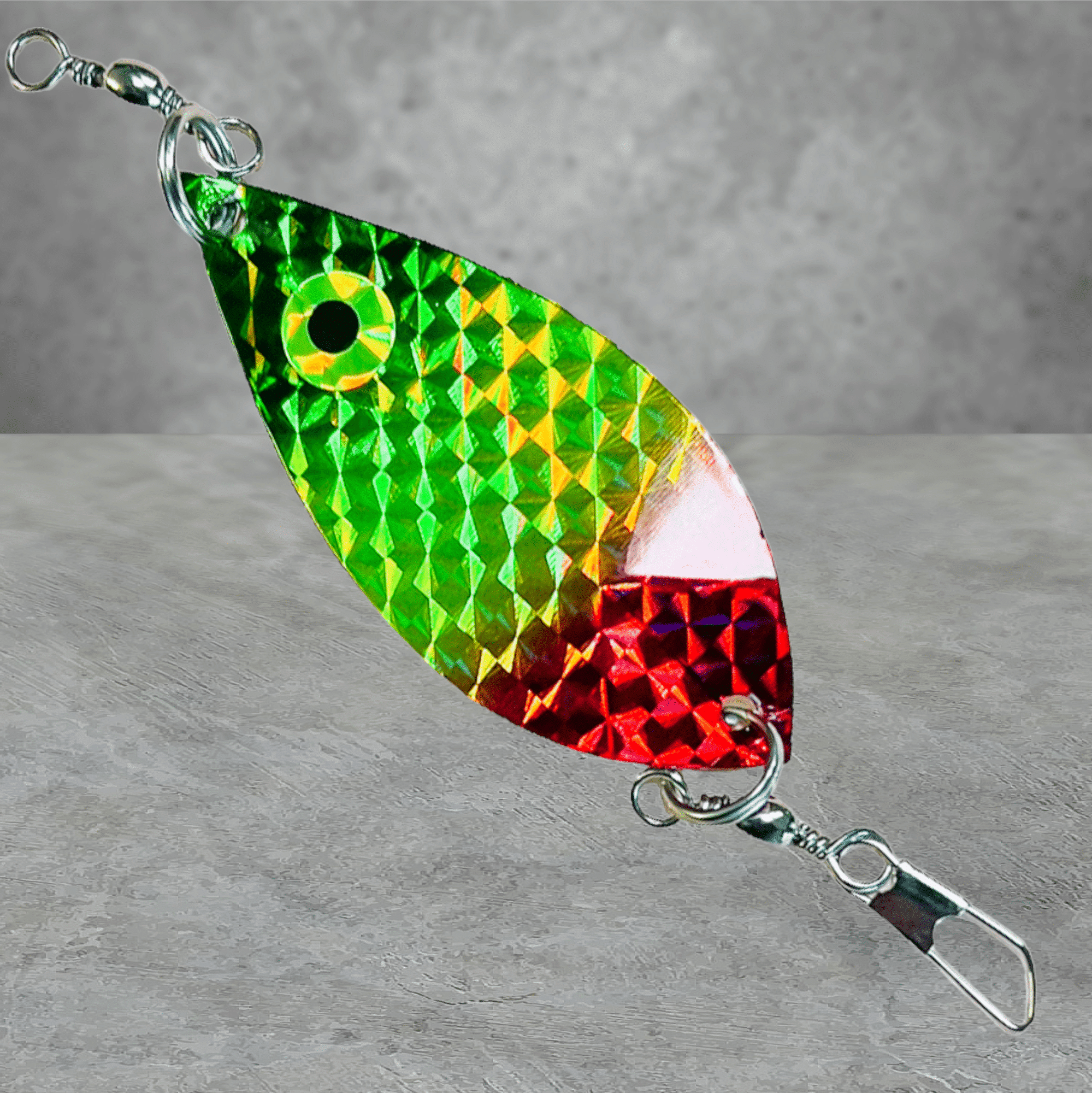
Yes. Cal Kellogg calls it follow-the-leader syndrome. When every boat in a cove is pulling the same spoon or plug at the same speed, the trout have seen it dozens of times. Show them an alternative they are not seeing, like a naked fly or a Turbo Flasher instead of a big dodger, and you will usually out-fish the crowd.
Am I overusing my downrigger for trout?
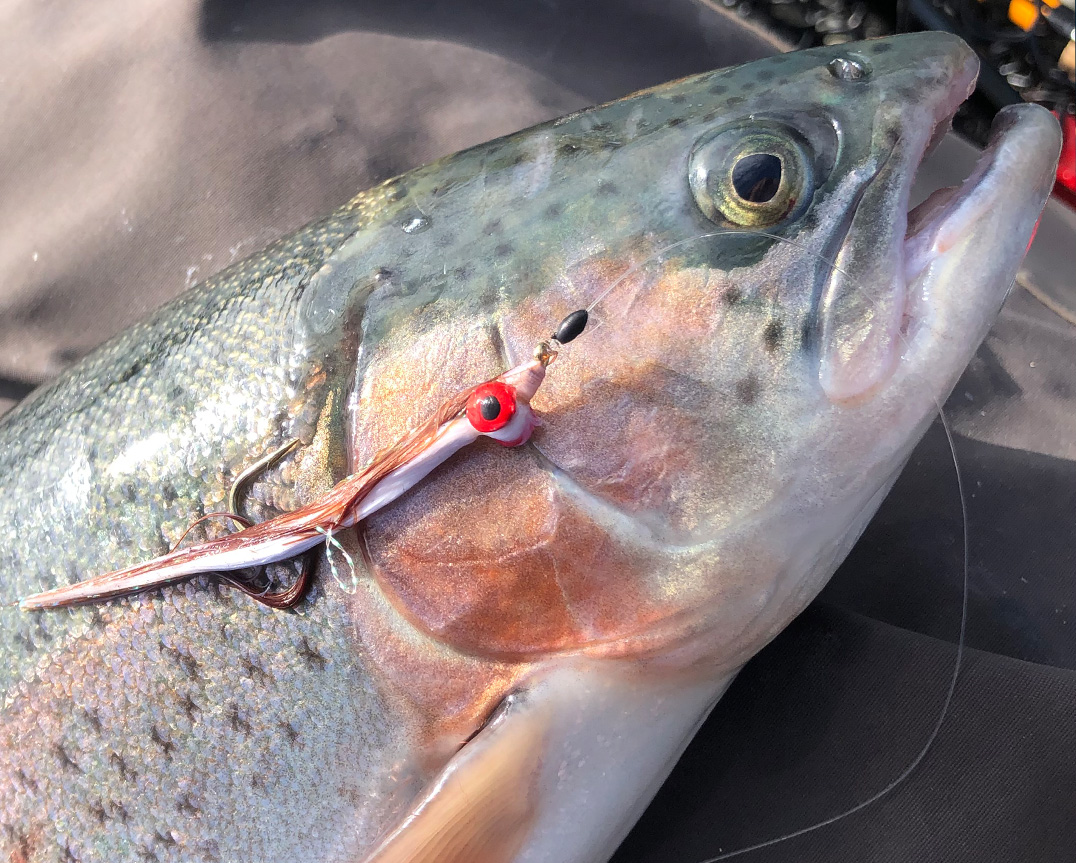
Very likely. When trout hold in the top 20 feet, there is no reason to deploy downriggers at all. Cal Kellogg catches fish to 11 pounds right under the surface on flies and a hybrid lead core rod, which he says out-fishes downriggers three or four to one when the fish are up high in cold water.
Why am I not marking or catching fish?
You may be fishing dead water or returning to old spots. Brett Brady reminds anglers that 90 percent of the lake holds no fish, while 10 percent holds nearly all of them, so learn your fish finder and work the marks. Big Nate warns that going back to the same spot you scored six months ago fails, because depth, location, and pattern all change.
Is my downrigger weight too light?
It can be. Brett Brady says a 6 pound weight dropped to 100 feet at 2 mph creates so much blowback that you fish far shallower than your finder shows. He runs 8 to 10 pound weights down to about 80 feet, then 10 to 12 pound weights deeper, to keep the gear right under the boat and on the fish he marks.
Watch the technique
Trout fishing mistakes FAQ
No. Jeff Goodwin says the fish decide when they bite, and your best fish of the day can come in the first five minutes or the last. Decide how long you will fish, give it everything during that window, and never assume the bite is over just because it has not happened yet.
No. Brett Brady runs trout faster, generally 1.8 to 2.2 mph and occasionally much quicker, while kokanee prefer a slower 1.3 to 1.6 mph. Mixing the two speeds is a common mistake. Set your speed to the species you are actually targeting that day.
Get the hook near the tail of the bait. Cal Kellogg switches to a Trix worm or minnow, or adds a stinger hook to a fly, because tentative trout nip the back of the bait. A 3 inch grub puts the hook too far forward, so nipping fish grab the tail and never reach the point.
It means reading how trout respond and letting that dictate your baits. Short strikes, fish falling off in the net, and light taps all say the fish are lethargic and not committing. When you see that, slow down and downsize to subtle baits rather than forcing a fast, aggressive presentation.
Because conditions change. Monte Smith says a lure that produced yesterday may do nothing today, so change it up if you are going through fish without hookups. Do not troll a dead straight line either. Turn, speed up, and slow down to change the lure's action and trigger following fish.
Focus on one arm and fish it hard across seasons instead of running all over. Jeff Goodwin says concentrating on one section gathers far more useful information and flattens your learning curve. Shasta has coves as big as many home lakes, so cut the water down to size.
On top of the biomass. In cold water that means right under the surface, and in summer it means the upper edge of the deep, cool layer, maybe 75 to 80 feet on Shasta. Those top fish are the biters, so target the top of the mark rather than the middle or bottom.