
How to Catch Cutthroat Trout at Pyramid Lake
Learn how to catch cutthroat trout at Pyramid Lake by trolling big spoons on downriggers for Lahontan trophies.
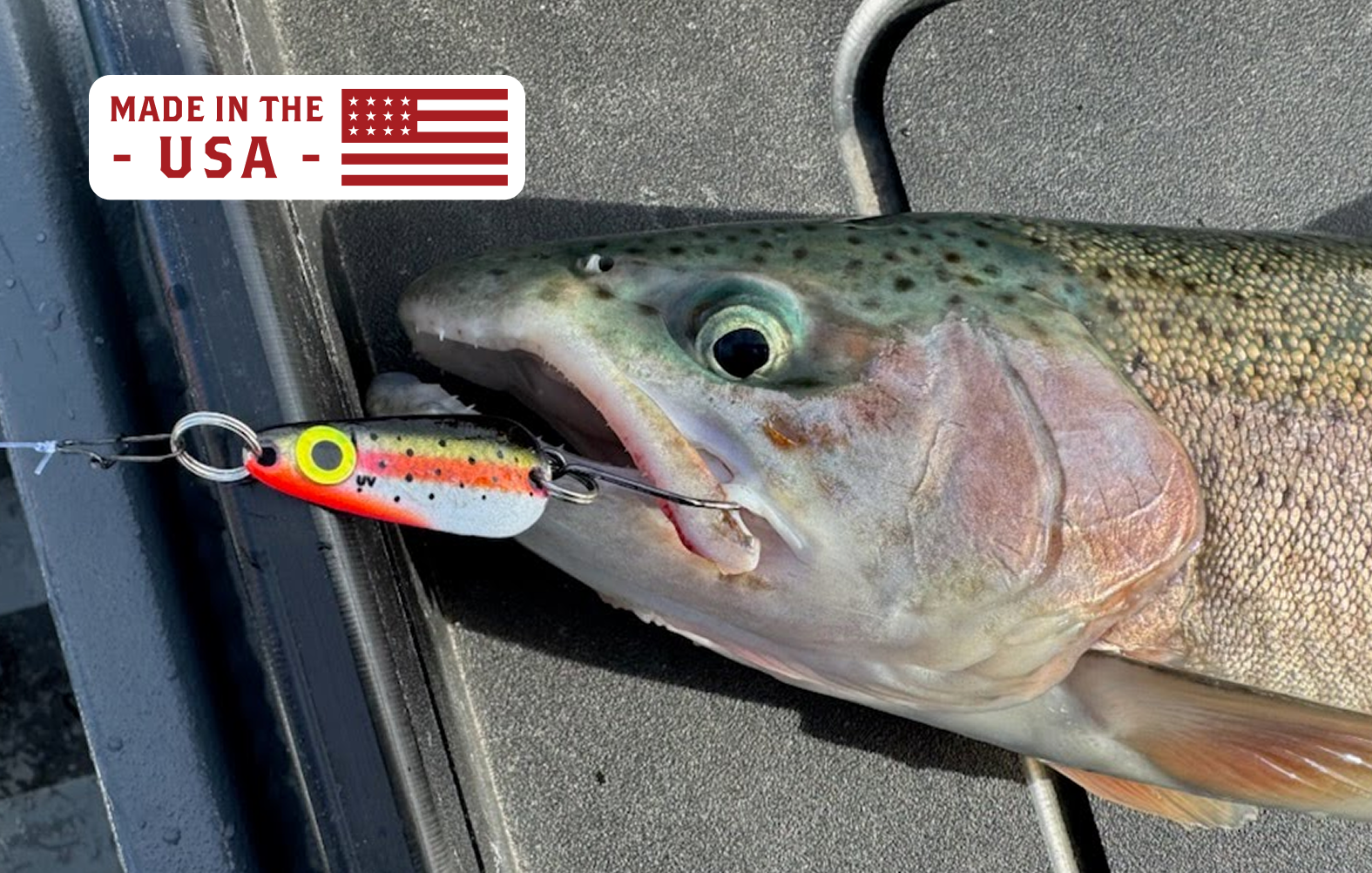
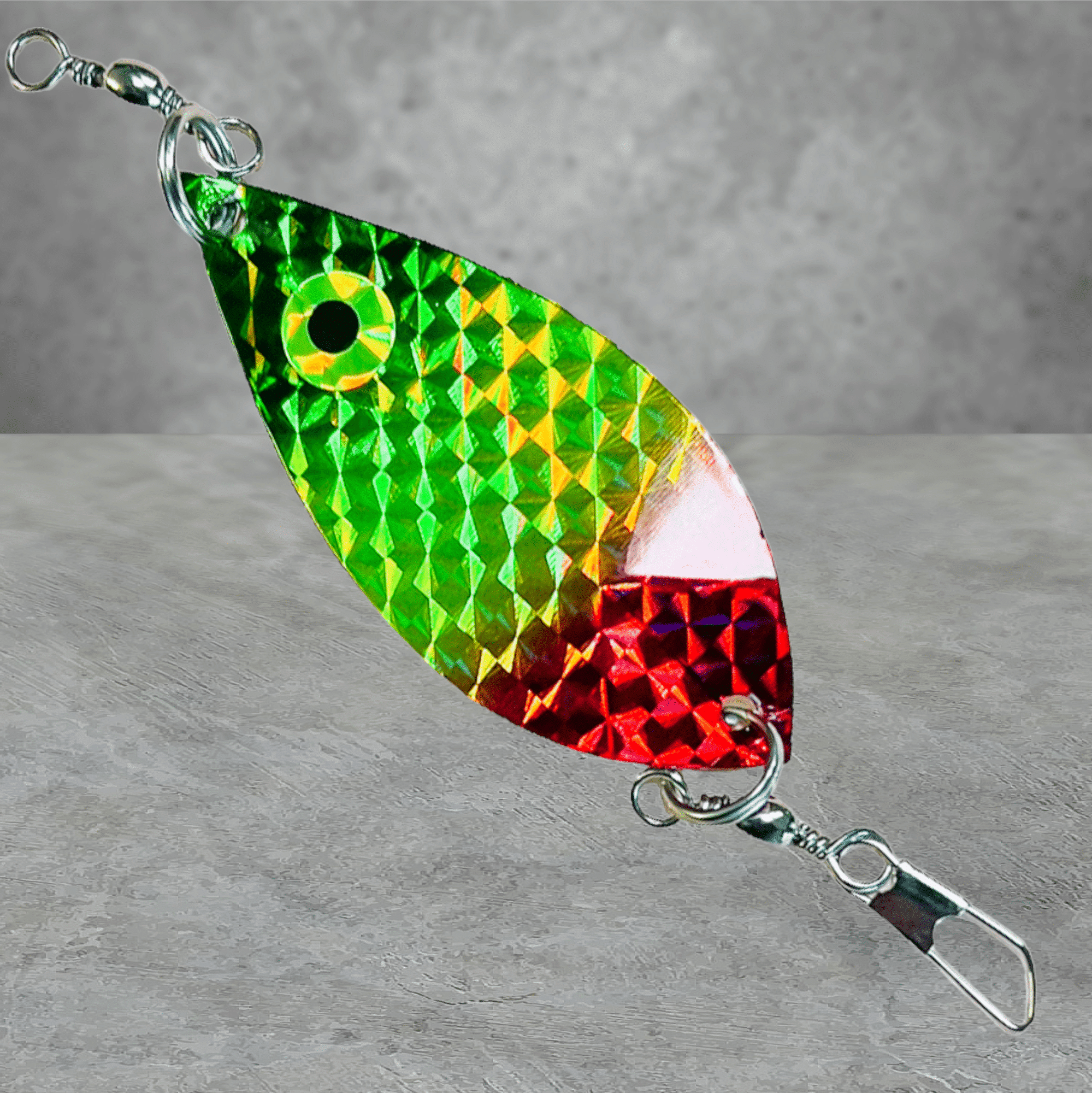
Catch trophy cutthroat at Pyramid Lake by trolling big spoons on downriggers. Big Nate runs all spoons, some nearly hand sized, down to about 40 feet and 60 feet back, and lets the fish set the depth. Pyramid holds Pilot Peak strain Lahontan cutthroat, where a 10 pound fish is common and 20 pounds is a real trophy. The prime season is October and November, with 50 to 100 fish days. In spring the fish go into spawn mode and get tougher. On high mountain lakes, a Metal Head trolling fly also draws big cutthroat.
What is the best way to catch cutthroat at Pyramid Lake?
Troll big spoons on downriggers. Big Nate runs all spoons, some nearly as big as his hand, down to about 40 feet and 60 feet back, then lets the fish dictate the exact depth. Pyramid is a vast, deep desert lake, so cover water across the bays until the downrigger weights show fish and the rods load up.
How big do Pyramid Lake cutthroat get?
Very big. Pyramid holds the Pilot Peak strain of Lahontan cutthroat, which grow exceedingly large. A 10 pound fish does not even turn heads, 20 pounds is considered a trophy, and any hookup can be a 30 pound trout. Big Nate's crew boated a certified fish just under 17 pounds on this trip.
When is the best time to fish Pyramid Lake?
October and November are prime. Big Nate says you average 50 to 100 fish a day then if you know the spots, and he has had three anglers land 267 fish in a day with a 23 and a half pounder as the big fish. Spring is the toughest window, because the cutthroat go into full spawn and do not chase.
Can you catch Pyramid cutthroat from shore?
Yes. Pyramid is one of the few trophy fisheries you can drive right up to. At certain times of year you can walk the shore and throw jigs or spoons and catch big cutthroat without a boat, which is part of what makes the lake world renowned.
How do you catch cutthroat in high mountain lakes?
Cal Kellogg trolls spoons and flies on lakes like Jackson Meadows, which holds rainbows, browns, and cutthroat. He ran a clown pattern crippled minnow spoon about 25 feet down on the downrigger and a brown and copper Metal Head Magnum trolling fly about 15 feet down on leadcore. Both drew quality trout.
What trolling flies work for big cutthroat?
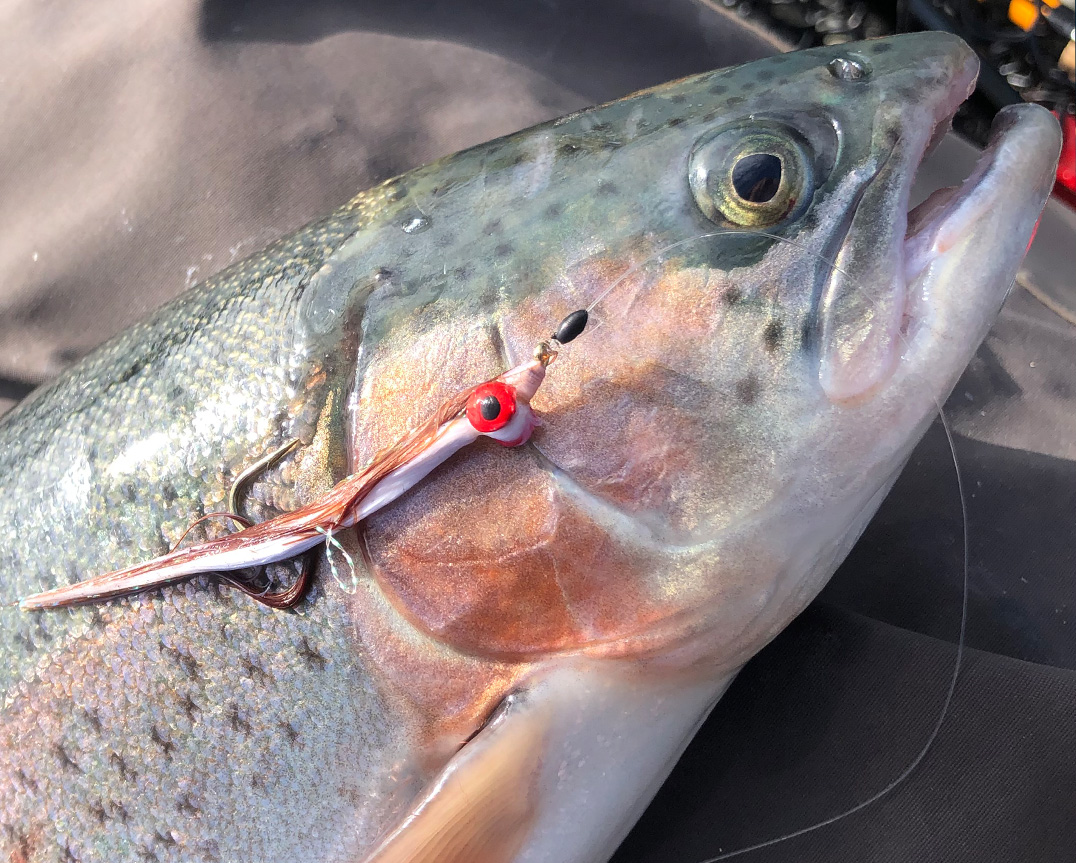
A brown and copper Metal Head Magnum fly is a proven big cutthroat producer, along with a TWA pattern fly. At Jackson Meadows a fly fooled a husky 5 plus pound cutthroat, Cal's biggest from that lake. Trolling flies are a slow troll presentation, run behind leadcore or top lined, not run fast like a spoon.
How do you land a big cutthroat?
Keep a low rod and work the reel rather than pointing the rod at the fish. Do not panic if the fish wraps the downrigger line. On this trip the deckhand cleared the tangle while the angler kept steady pressure, and the team saved a 20 pound class fish. Keep reeling, never stop, and good things happen.
Watch the technique
Catching cutthroat trout at Pyramid Lake FAQ
Big Nate starts down to about 40 feet on downriggers and lets the fish dictate the depth from there, running his gear around 60 feet back.
The Pilot Peak strain of Lahontan cutthroat, a native strain brought back to the lake that grows exceedingly large, well past 20 pounds.
A 10 pound fish is common, a 20 pound fish is a real trophy, and any hookup carries the chance of a 30 pound trout. It is arguably the best big cutthroat fishery in the country.
Big spoons, some nearly hand sized, trolled on downriggers. From the shore, anglers throw jigs and spoons and catch big cutthroat at the right times of year.
In spring the cutthroat are in full spawn and reluctant to chase a bait, so trolling is much tougher than in the fall. Big Nate's crew still landed six or seven fish in a few hours, but the fall bite is far more consistent.
A brown and copper Metal Head Magnum trolling fly, run on leadcore around 15 feet down, along with a TWA pattern fly. Both have taken big cutthroat on high country lakes.
Cal ran a crippled minnow spoon about 25 feet down on the downrigger and a trolling fly about 15 feet down on leadcore, covering two depths at once.
Do not panic when a big fish wraps the downrigger line. Let a partner work the tangle while the angler on the rod keeps reeling steadily. Teamwork, not force, lands these fish.
Around 1.8 to 2.0 mph is a proven sweet spot on the big lake. Most bites come from about 25 to 45 feet down, and the fish tend to drop deeper as the sun climbs, so adjust your downrigger through the morning.
Fish early, because the wind usually picks up by midday. Use heavy enough line, since these fish are strong and will snap light tackle. Polarized glasses help, because sight fishing is real here. Note that the lake is closed to fishing in summer, so plan your trip for fall through spring.