
Landlocked King Salmon Trolling Setup for Western Reservoirs
Learn how to catch landlocked king salmon by working shallow structure with spoons, dodgers, and rigged bait.
Catch America Landlocked King Salmon Hub
Landlocked King Salmon Trolling Setup for Western Reservoirs
Use this page as the hub, then jump to the matching setup, lure, and rigging guides below.
Shop the collection:
Catch landlocked king salmon by keeping it simple and working shallow structure where feeding kings move up to hunt. Start fast, pulling a Trigger Spoon or Speed Spoon run clean at 2.5 to 3.5 mph to find active fish. When kings show but will not chase, slow to 1.8 to 2.2 mph and run a small dodger with a shad tube or hoochie tipped with a sliver of cured mackerel. Set leaders about 2 to 2.5 dodger lengths. Use sonar to read bait and king arches on 45 to 52 foot humps.
What is the best setup for landlocked king salmon?
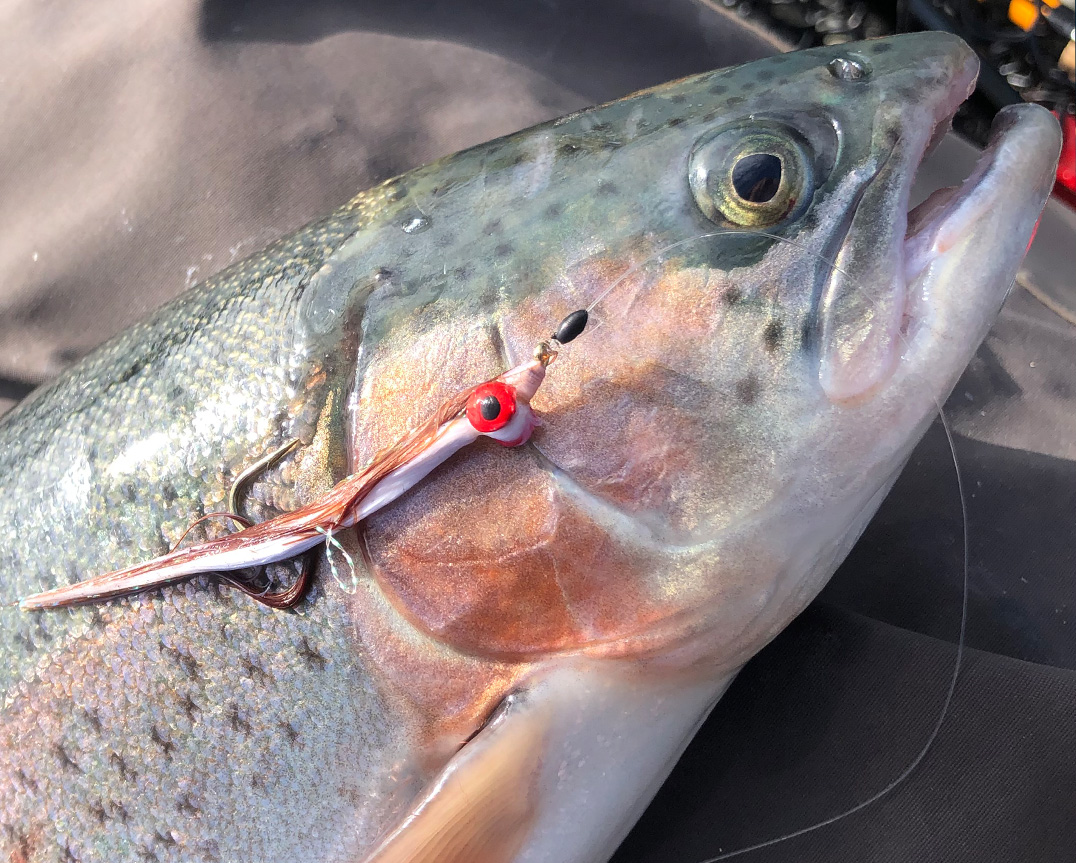
Cal Kellogg's number one offering for over 25 years is a small dodger and a hoochie or shad tube on a double hook rig. He runs a silver 4 inch dodger with a 7 to 10 inch leader and a white shad tube, then tips the nose hook with a sliver of cured mackerel. Kings love meat, so a little tipping bait sweetens the deal and draws strikes.
How do you find landlocked king salmon?
Fish structure, not open water. Cal targets humps that sit shallower than the surrounding water, often 45 to 52 feet deep, where kings move up to ambush bait. A sonar unit with GPS is essential to identify pond smelt, threadfin shad, and the arches kings make. Find the marks, work the marks, and make repeated passes.
What speed should I troll for landlocked kings?
Start fast. Pull spoons run clean at 2.5 to 3.5 mph to cover water and find active fish. If you locate kings that will not chase, it is time to slow down. Switch to a dodger and shad tube or rigged bait and drop to about 1.8 to 2.2 mph, with an emphasis on around 2 mph.
How do you rig a shad tube for kings?
Run the shad tube on a double hook rig behind the dodger. Put the piece of meat on the hook closest to the nose. Kings come in to nip the meat and get the full effect of the rear hook. Leader length is critical: run about 2 to 2.5 dodger lengths, so a 4 inch blade gets an 8 to 10 inch leader, shorter on lakes like Folsom.
How deep do landlocked kings hold?
Fish the top of the biomass. The most active kings elevate in the water column and move onto structure to feed. At Folsom, Cal caught fish from about 17 to 47 feet, often running his rig 10 feet off the bottom on a hump. In winter and early spring, kings push right up onto shallow shoreline structure in 20 feet.
What lures work for landlocked king salmon?
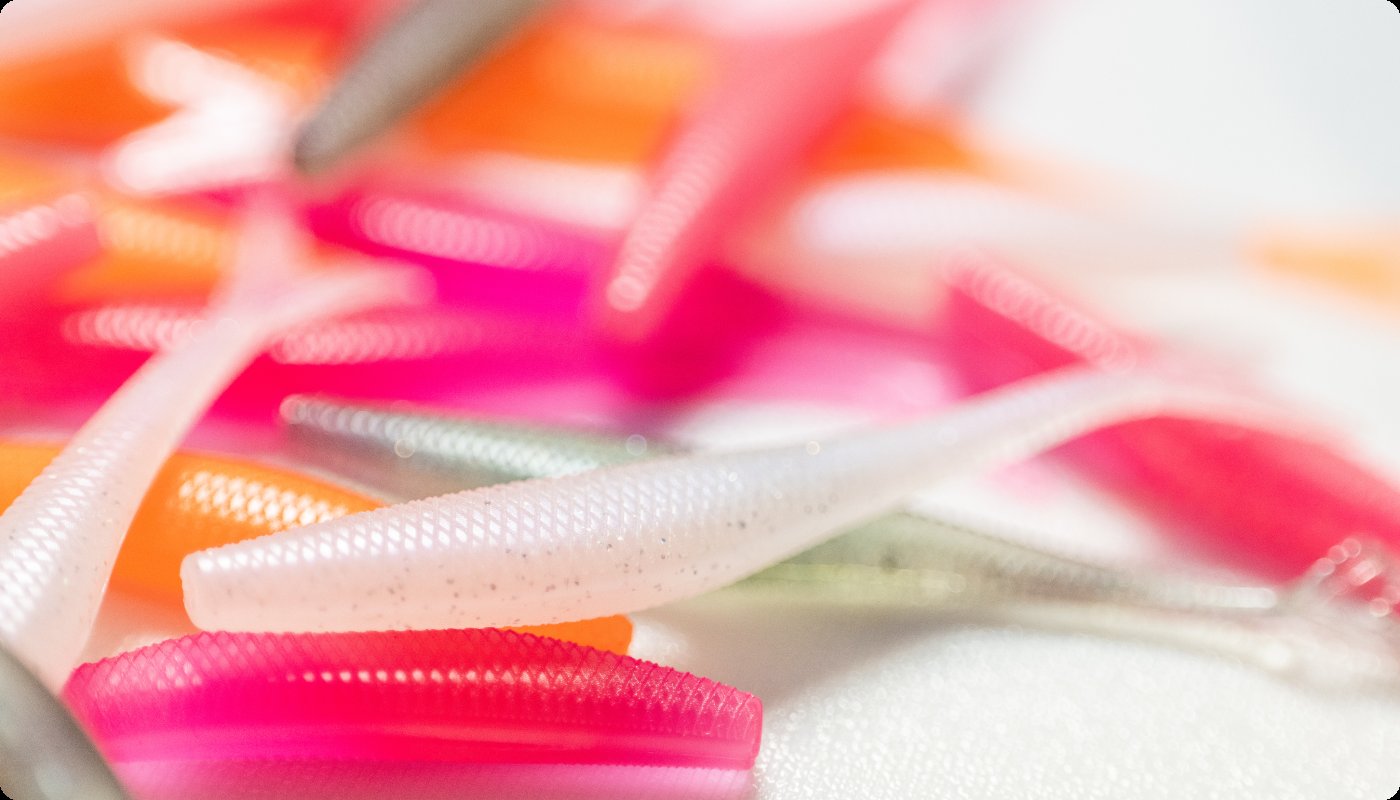
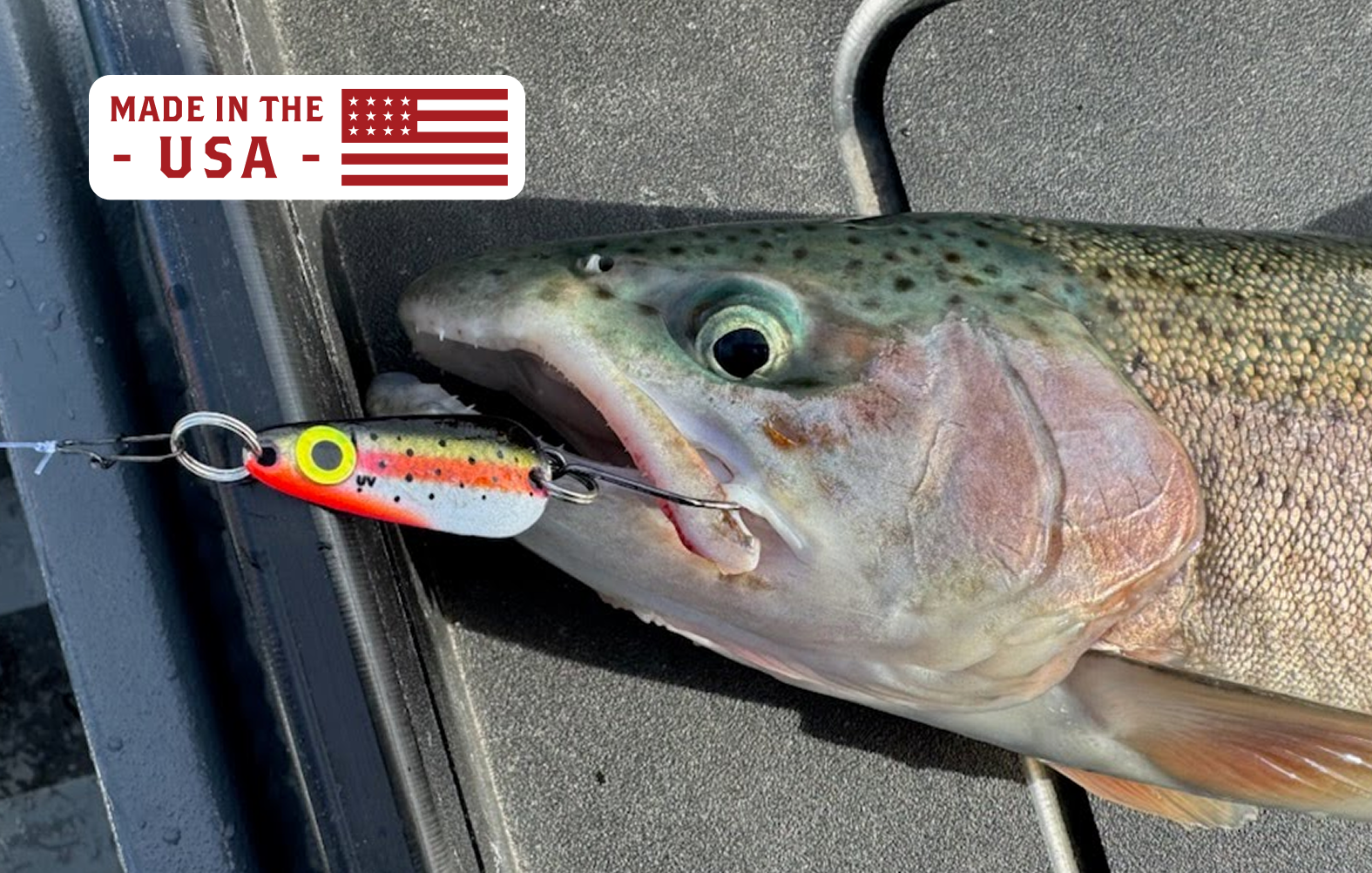
Cut your selection to three classes. First, rigged bait like a medium tray anchovy fished natural. Second, a dodger with a shad tube or hoochie tipped with meat. Third, a spoon like the Speed Spoon in copper, chrome, or gold. Let the salmon teach you which they want on a given day.
When do landlocked kings bite?
Kings are quirky and feed in windows. You may find them in the morning and they will not go, then get a wide open bite from 11 to 3. Because kings have a short lifespan of about four years, they are voracious biters. Big and small kings eat the same forage, so hook a maximum number of fish and the big ones come.
How do you rig a whole anchovy for kings?
Cal rigs anchovies natural with no bait head. Use 12 pound fluorocarbon, a number six red treble on the end, and a sliding number four octopus hook above it. Run the octopus through the hard part of the head between the eyes, set the treble three quarters of an inch up from the tail, then cup the body slightly so the bait rolls.
Watch the technique
Catching landlocked king salmon FAQ
Run about 2 to 2.5 dodger lengths. A 4 inch blade gets an 8 to 10 inch leader. Cal notes Folsom kings favor shorter leaders, so he fished a 6 inch blade with an 8 inch leader in winter and shortened to 7 inches later in spring.
Cal prefers cured mackerel, though anchovy strips also work. Strip your meat ahead of time and cure it with sea salt, not iodized salt, which turns bait black. Put the meat on the hook closest to the nose so fish get pinned on the rear hook.
No. Cal fishes anchovies natural for a stealthier presentation. He ties 12 pound fluorocarbon to a number six red treble with a sliding number four octopus hook, runs the octopus through the skull, and cups the body so it rotates.
In cold water they push up onto shallow shoreline and bass structure, sometimes in just 17 to 20 feet. Cal works humps and points coming out of deeper water rather than chasing deep marks, because those shallow fish moved up to hunt.
In Northern California reservoirs, kings feed mainly on threadfin shad and pond smelt, sometimes immature panfish. Cal matches a medium tray anchovy to the pond smelt rather than an oversized bait.
Yes. Cal often hooks kings on structure where his sonar shows no bait and few fish. He targets the percentage of the population that is actively feeding or looking to feed, which gravitates to shallow ambush points.
Cal leans on more robust scents for kings, such as garlic and bloody tuna type cures, rather than the sweet stuff he uses for trout. Match aggressive scents to the meat you tip with.
Landlocked kings are loose school fish that all feed on the same small forage, whether a fish is 2 pounds or 10. The key to a big king is having big kings in the area and hooking a maximum number of fish, not upsizing your lure.
Shop the Tackle
- Optimizer Size 4 4.25" - Trout & Salmon Trolling Spoon
- Optimizer Size 3 3.625" - Trout & Salmon Trolling Spoon
- Brad's KillerFish KF15 4.75" - King Salmon
- Brad's KillerFish KF16 5.25" - King Salmon
- Brad's 360 Evolution Flasher Releases - Green - 2 Pack
- Wing Hoochies 2" - Trout & Landlocked King Squid
- Trolling Dodger 6" - Kokanee & Trout
- Brad's Kokanee Cut Plug 2.25" - Kokanee & Salmon
- Landlocked Salmon
- King Salmon (Chinook)
- oroville fishing reports
- berryessa fishing reports
- folsom fishing reports
- shasta fishing reports
- don pedro fishing reports
- new melones fishing reports
- almanor fishing reports