
How to Catch Reservoir Trout: Spring Foothill Trolling
How to catch reservoir trout with spring foothill trolling: start fast with spoons, then downsize and slow for tough bites.
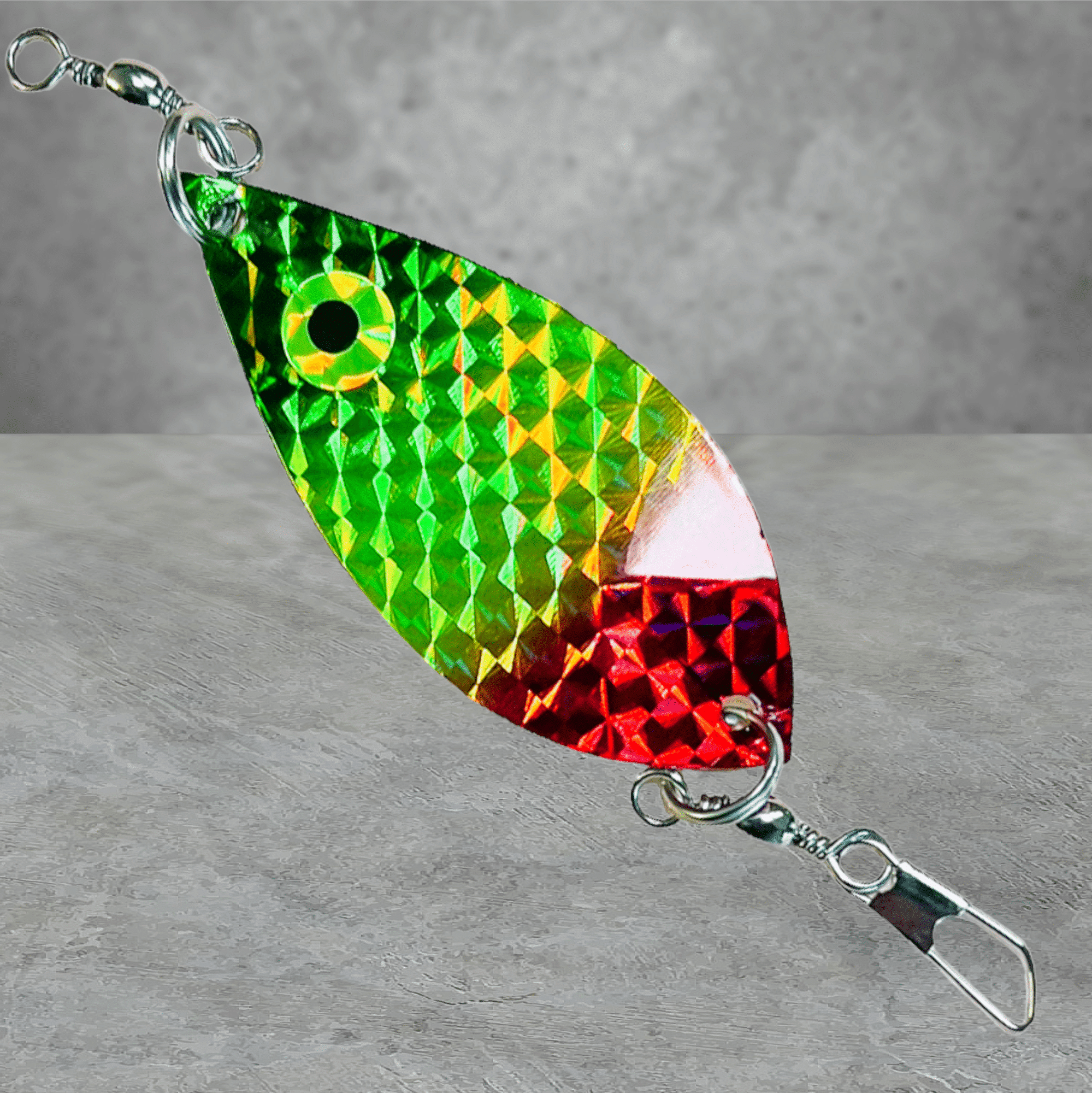
In spring, start fast and aggressive on foothill reservoir trout, then downsize and slow as needed. Cover water early with a Speed Spoon at 2.7 to 3.5 mph to find active fish, then step down to a Trigger Spoon or slow to 1.8 mph with a Metal Head Fly. In stained post rain water go gold. When the bite gets tough, a pink Trix Worm keeps working.
How do you catch trout at a foothill reservoir in spring?
Start fast and big, then refine. Cal Kellogg opens by power trolling a Speed Spoon at 2.7 to 3.5 mph to cover water and find the aggressive minority of fish. Once he marks or catches fish, he cuts the lake down, downsizes, and slows down until the trout tell him what they want.
What speed and lure size for spring reservoir trout?
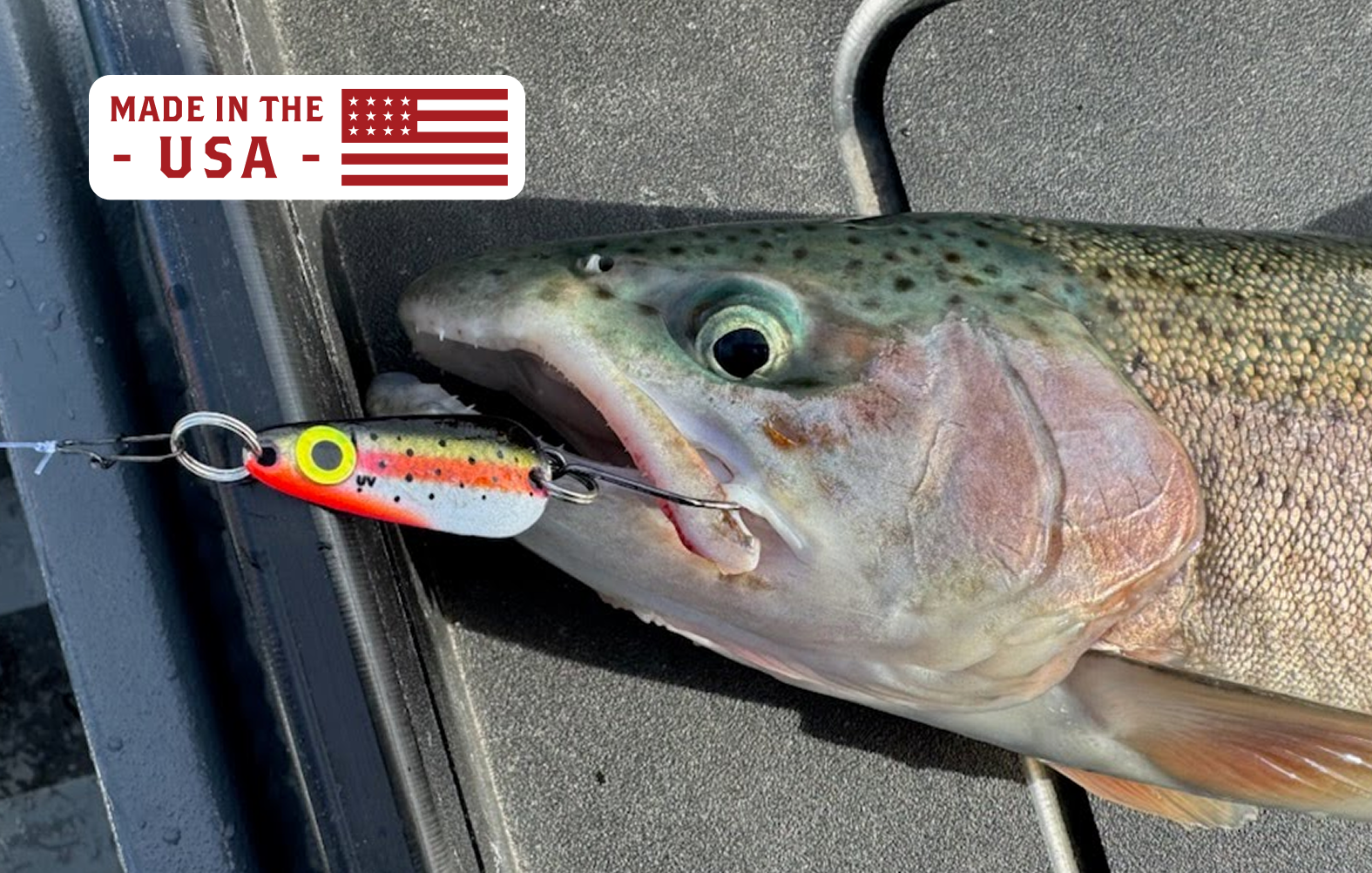
Work a speed ladder. A Speed Spoon runs 2.7 to 4 mph, a Trigger Spoon 2.2 to 2.7 mph, and a Junior Trigger Spoon 1.5 to 2.2 mph. Cal Kellogg drops one step in size and speed each time the marks say fish are there but not committing.
What color trolling lure works in stained spring water?
Gold. After spring rain stains the foothills, Cal Kellogg goes gold, gold-orange, and gold-red with a big profile. He caught a 3 pound Collins Lake rainbow on a gold and orange plug at 2.4 mph and runs a gold Trigger Spoon with red tape from 2 to 2.8 mph. Be aggressive and cover water.
How does water temperature change my spring approach?
Follow the warm up. Cold morning water leaves trout lethargic, so Cal Kellogg still starts fast to find the few active fish. As temps climb from the high 40s toward the low 50s around midday, fish rise and he slows down, running a Metal Head Fly near the surface at 1.8 mph.
How do you fish a hard reservoir like Folsom?
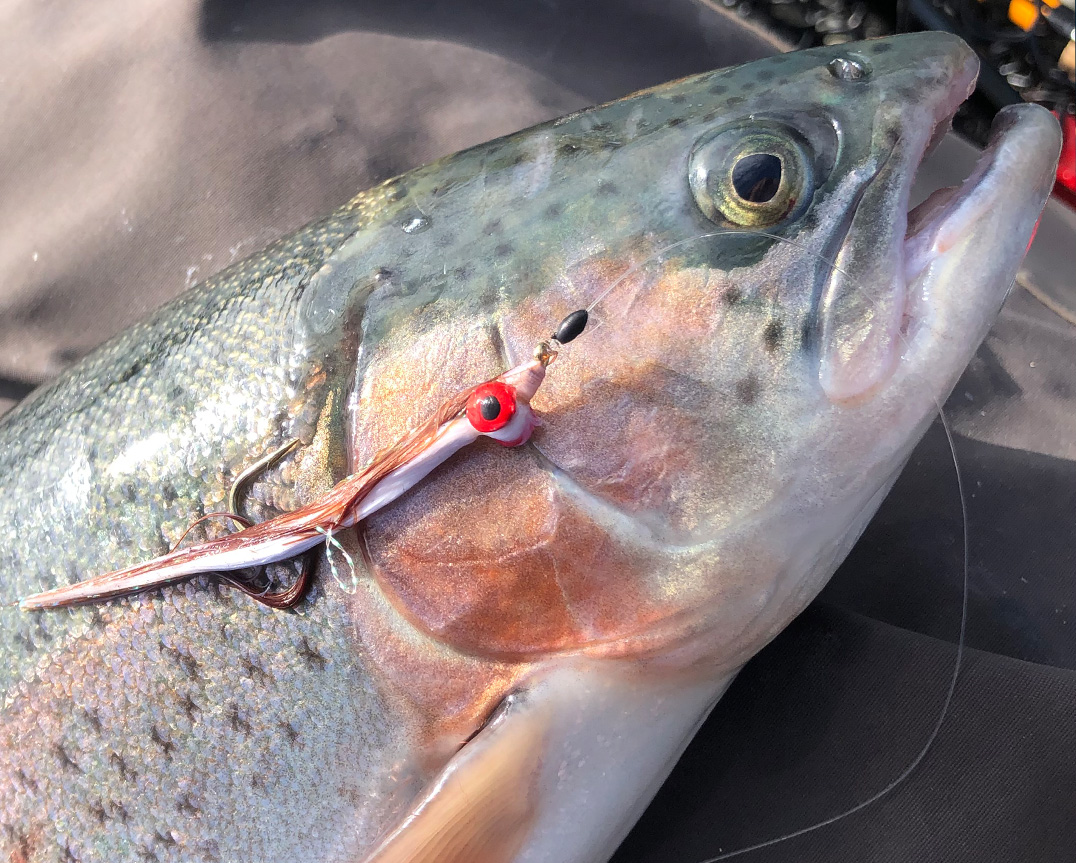
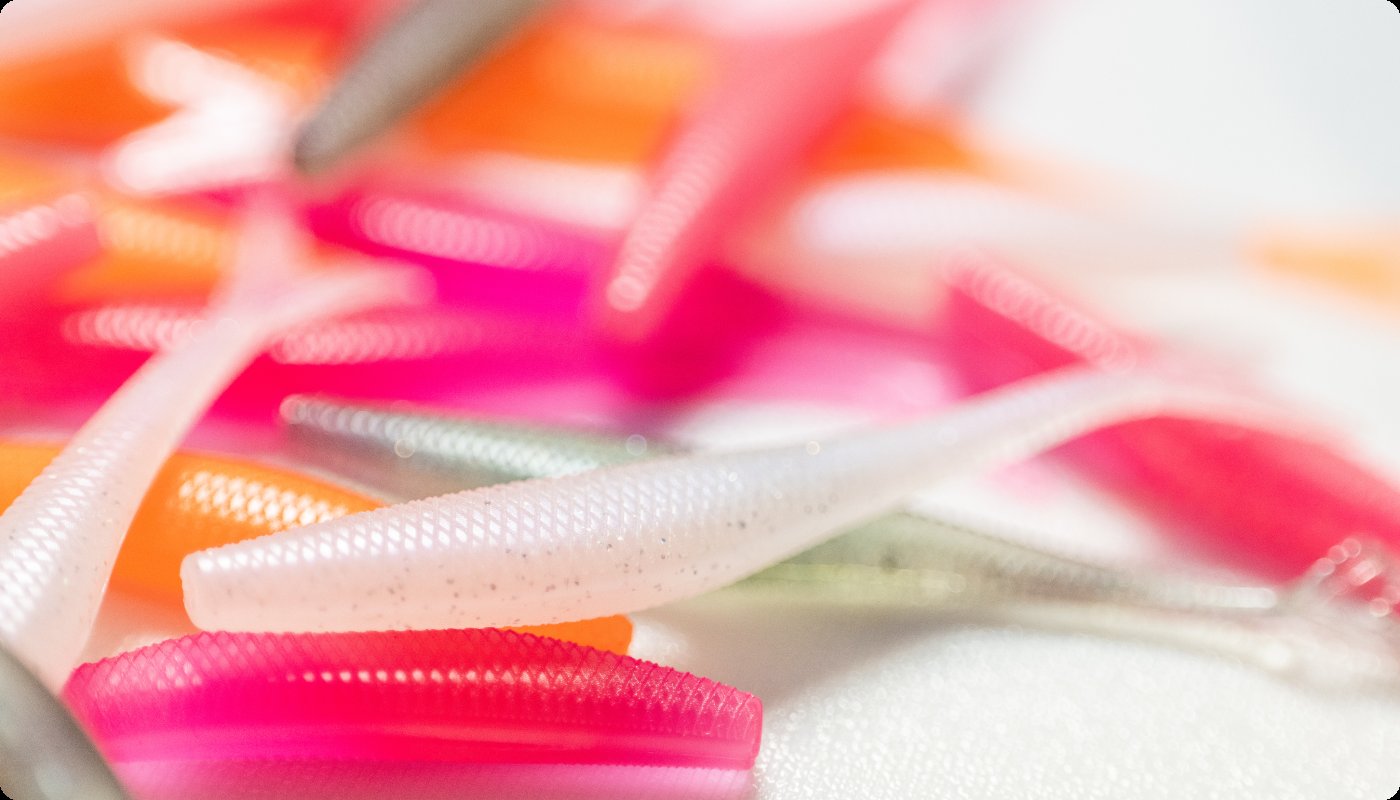
Cut it down to size. On big, tough Folsom, Cal Kellogg fishes one productive bay and shows fish baitfish imitations others are not pulling, since trout there feed on pond smelt. A natural Trix Minnow and an opaque pink Trix Worm at 17 to 20 feet outproduced spoons that day.
When do spoons shine on a foothill reservoir?
When trout feed on shad and are willing to chase. At Camanche, fat rainbows gorge on threadfin shad, and Cal Kellogg had a double hookup power trolling spoons around 1.9 mph, with fish stacked 30 to 35 feet down. Show a shad profile in real metal and move it along quickly.
How do you keep catching when the bite gets tough?
Downsize and stay in the zone. Cal Kellogg runs a pink Trix Worm on a downrigger 20 to 60 feet down, where its erratic action holds the strike zone. Even during a late season lockjaw at Union Valley it drew rainbows to nearly 4 pounds when fish were stuffed with tiny baitfish.
Watch the technique
Spring trolling for reservoir trout in the foothills FAQ
To locate the active fish. Even with lethargic cold water trout, Cal Kellogg power trolls early to cover ground and find the small minority willing to chase. He caught a 6 to 7 pound rainbow top lining a speed spoon 85 feet back, only 2 feet deep, around a structure bottleneck at 3.5 mph.
It varies with the lake and time of day. Cal Kellogg found Folsom fish at 17 to 20 feet, Camanche fish 30 to 35 feet down on shad, and top lined active fish just 2 to 4 feet deep in the morning. Start shallow to find chasers, then use sonar to set your depth.
Get the hook back in the bait. Spring trout nip the tails of worms and minnows, so Cal Kellogg pushes the hook well back and runs an action disc. Doing so loops the hook around the lower jaw on the grab and helped him land about 80 percent of the fish he hooked.
Less than temperature does. Once water has been stained a while, trout adjust and can find your lure. Cal Kellogg says the real challenge in spring is temperature swinging up and down, which drives the bite. Fish gold in the stain and focus on timing the daily warm up.
Match the forage. On lower elevation baitfish reservoirs, Cal Kellogg runs natural and real metal patterns in 24 karat gold, copper, and silver. On insect driven lakes he goes bright with orange, pink, fire tiger, and chartreuse to make curious fish commit.
Often the midday warm up. Cal Kellogg fishes hardest from about 11 am to 2 pm on calm, fair days, when water can rise several degrees and fish elevate. Wind that upwells cold water keeps temps down and the bite slow, so pick calm windows when you can.