
How to Catch Striped Bass in California
Learn how to catch striped bass in California with minnows, swimbaits, trolled plugs, and cut bait.
Catch California striped bass by matching the method to the water. Bait fish or drift minnows on a sliding sinker rig with a number 1 mosquito hook and a 24 to 34 inch leader, staying shallow in 2 to 9 feet where active bass hold. Troll minnow plugs when the water is above 56 degrees, running a shallow runner 130 feet back at 5 mph or a deep runner 100 feet back at 3 mph, tipped with a white worm. Cast white or chartreuse swimbaits along the shoreline. Fish the last hour of one tide into the first hour of the next.
What gear do I need to catch striped bass?
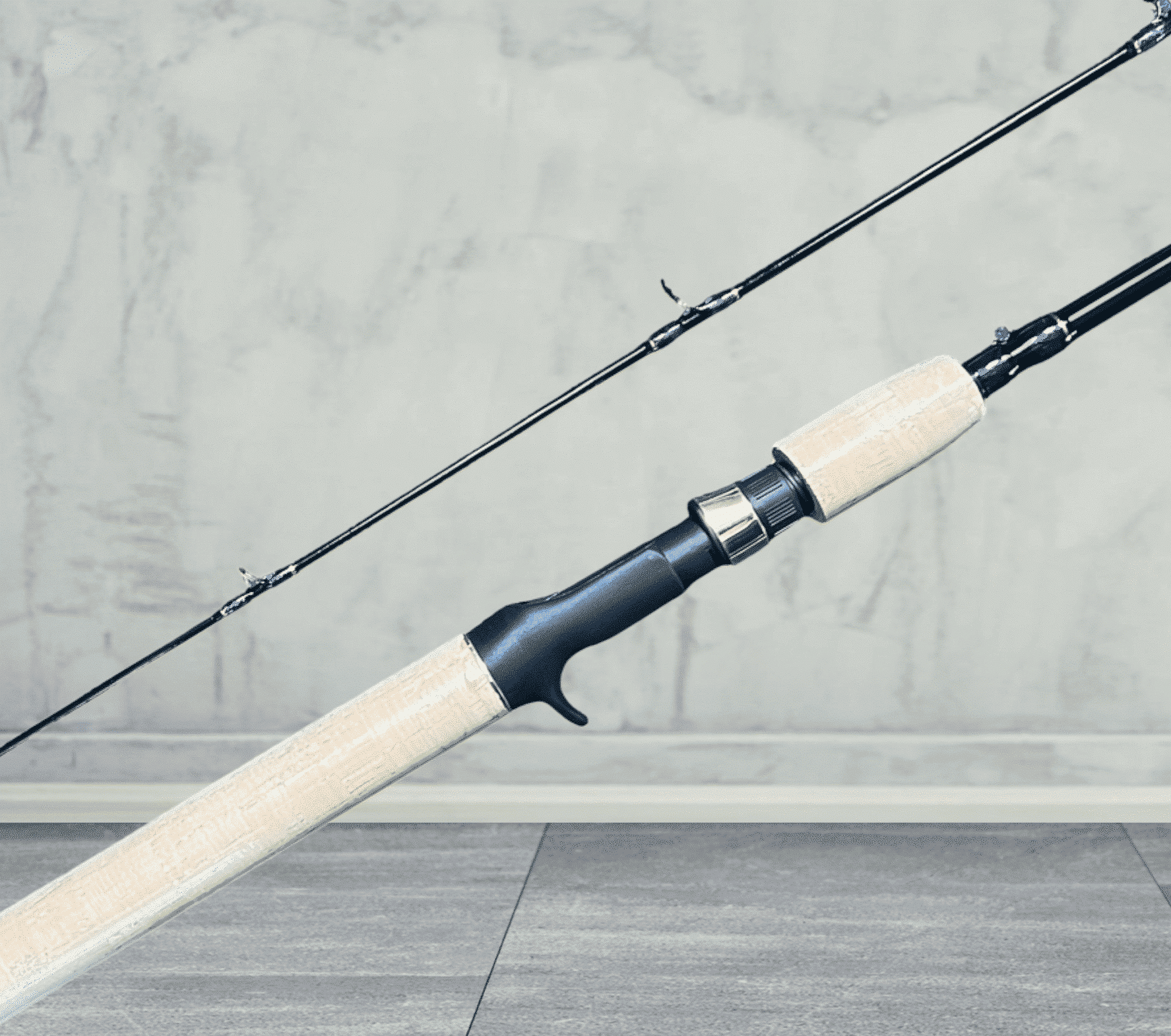
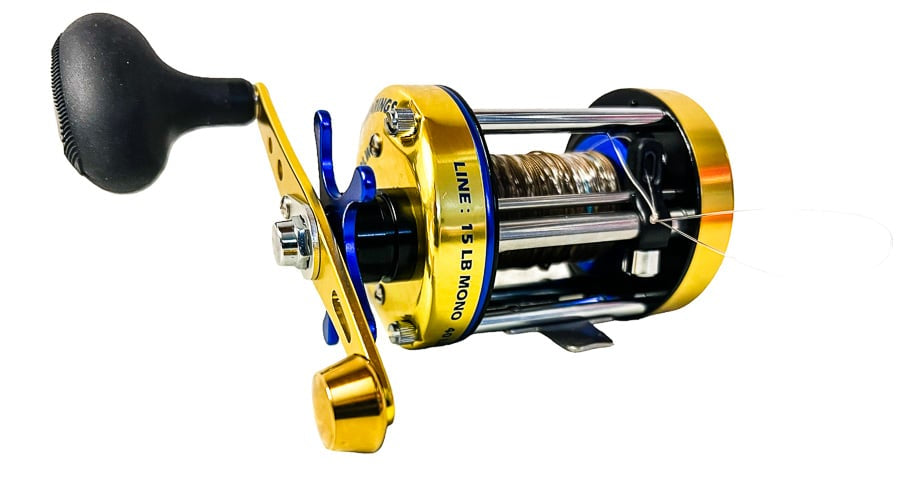
Do not overthink it. A medium to heavy spinning rod or baitcaster with a 3000 to 5000 series reel and 50 pound braid covers most striper fishing. For trolling and bait fishing the Delta, Cal Kellogg uses a 7 to 8 foot rod with backbone in the middle and a sensitive tip, a level wind reel with a line counter, 40 to 65 pound braid, and a 25 pound copolymer leader.
How do you fish minnows for stripers?
Sitting still, run 50 pound braid to a snap swivel, then a weight, then a 24 to 34 inch leader to a number 1 owner mosquito hook tied with a loop knot. Stay under 4 to 5 ounces of weight. Drifting minnows, switch to a half ounce bullet weight, up to three quarters in faster water, with a bead above the swivel to reduce snagging. You do not set the hook hard on minnows.
How do you troll for stripers in the Delta?
Cal Kellogg trolls minnow plugs once the water is above about 56 degrees. Tie the leader to a lock snap and run a shallow runner 130 feet back at 5 mph for fish in 5 to 8 feet, or a deep runner 100 feet back at 3 mph for fish in 11 to 16 feet. In water under 8 feet, run a 1 ounce lipless vibrating crankbait at 3 to 5 mph with no worm.
How do you rig swimbaits and worms for stripers?
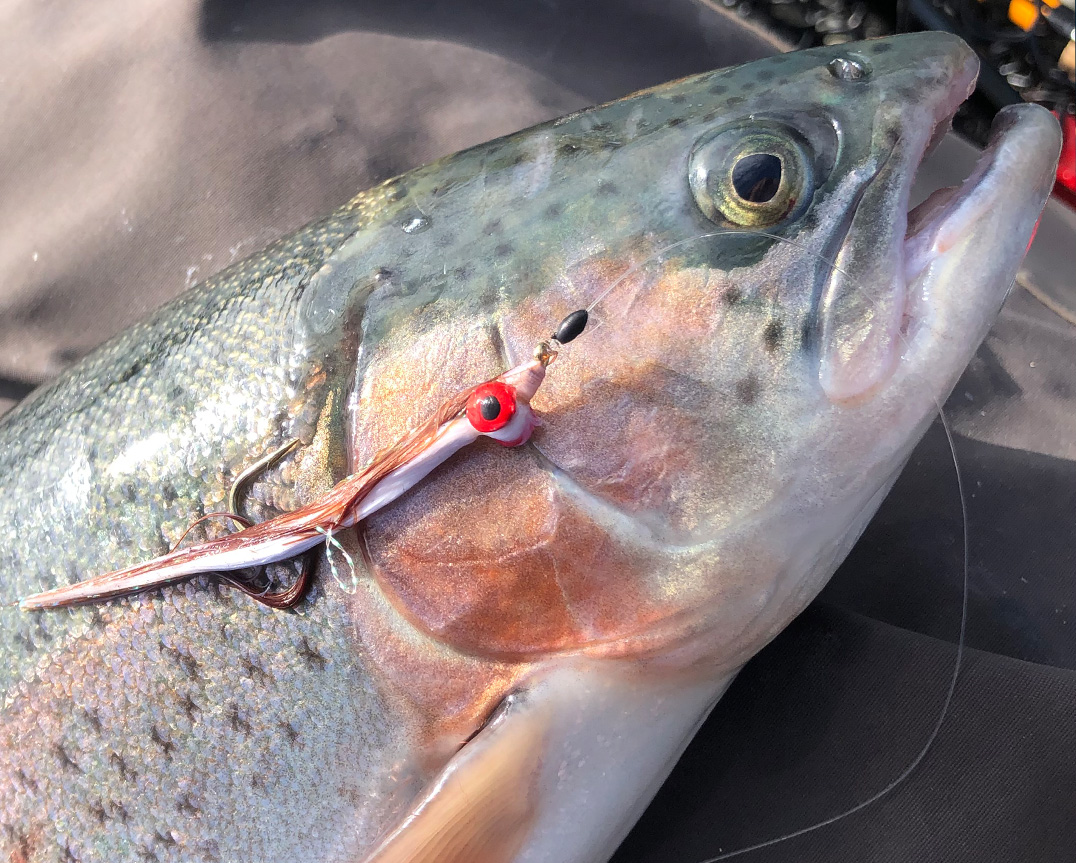
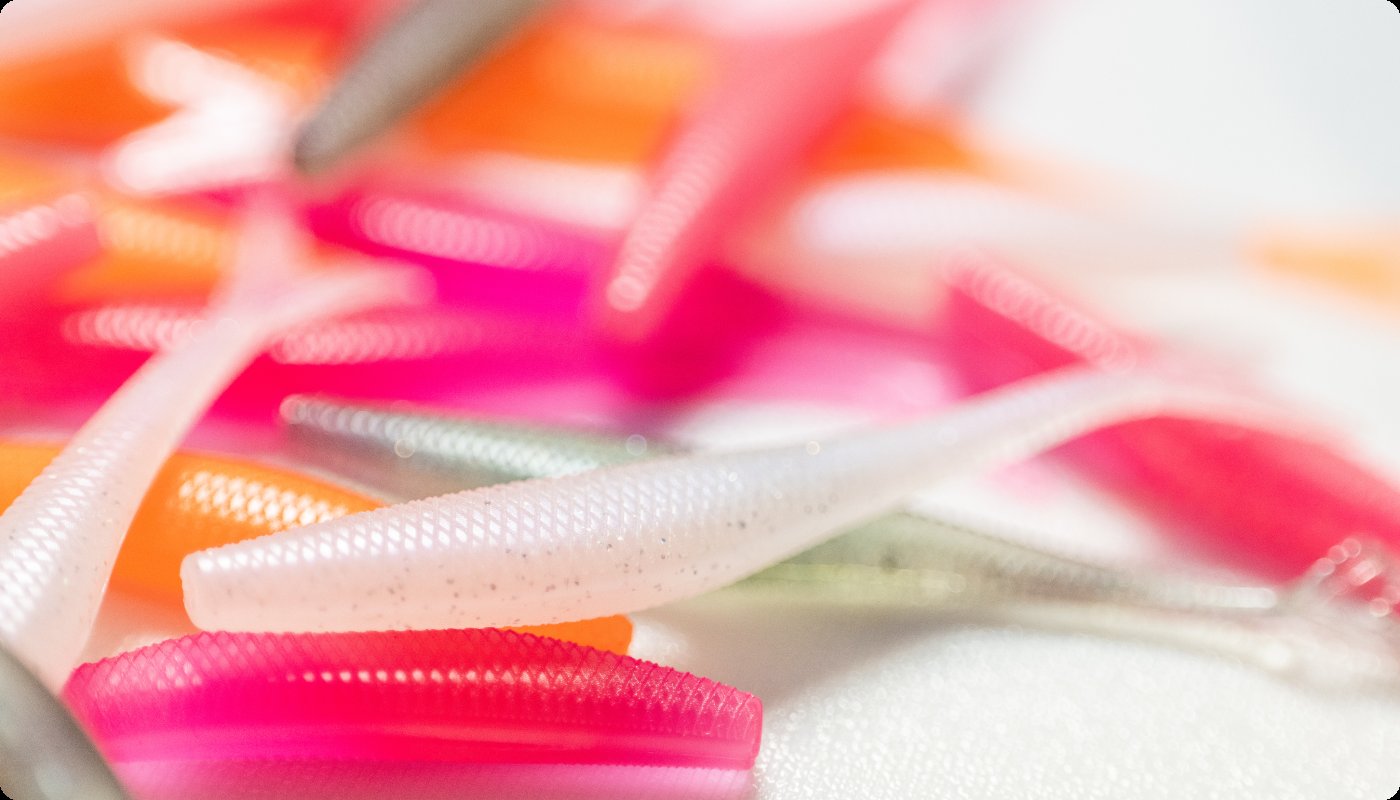
Set the swimbait hook through the top, about three quarters of the way back on the shank, tail down and hook centered, in white, pearl, or chartreuse. Cast along the shoreline and swim it back along the bottom. To tip a minnow plug, pin a white worm only a quarter inch onto the hook that lines up with the plug center, flat side down, and secure it with a dab of super glue.
How do you bait fish for stripers?
Use a sliding sinker rig with a 36 inch 25 pound copolymer leader. Put the clicker on and leave the reel out of gear so a striper can move off with no resistance. Fish cut bait like a shad, sardine, or pikeminnow fillet on a big 10/0 river hook, or live bait such as bullhead, mudsucker, or split tail on a lighter live bait hook with a loop knot. Use a 1 to 3 ounce sinker.
Where do striped bass hold?
Shallow. The most active bass sit in 2 to 9 feet, and most big bass come from water less than 15 feet deep. From shore, look for back eddies and cast upstream along the bank, then drag the bait down toward you. Watch for a boil, which is water churning as fish feed on bait, and fish those areas.
How do tides affect striper fishing?
Incoming or outgoing does not matter much, but the bite is most intense during the last hour of one tide and the first hour of the next. On a slow day you may only get bites in that prime window, so be sitting in fish holding water during it rather than running around looking for marks.
What is the spring smolt bite for stripers?
When salmon smolt are released into the rivers, they wash downstream and stripers follow them. Target the migration by throwing swimbaits, drifting minnows, or trolling through the fish. Learn to tell a feeding boil from an open water spawn, since spawning fish are thinking about other things than eating.
Watch the technique
Catching striped bass in California FAQ
A number 1 owner mosquito hook, tied on with a loop knot rather than straight to the shank. The loop gives the minnow much more free movement in the water.
Start with a half ounce bullet weight and go up to three quarters in faster current, with a bead above the snap swivel to keep pressure off the line when you snag. Fishing stationary, stay under 4 to 5 ounces or the current is too fast for minnows.
Run a shallow runner 130 feet behind the boat at 5 mph to reach the 5 to 8 foot strike zone. Run a deep runner 100 feet back at 3 mph to reach fish holding 11 to 16 feet down. If you hit bottom, shorten your setback.
Whites, pearls, and chartreuse are the go to swimbait colors, sometimes with a chartreuse or red head. On plugs, a white 8 inch worm is most consistent, though pink, chartreuse, and red also produce.
A shad fillet is the number one cut bait, followed by sardine fillet or pikeminnow fillet. Fish it on a big 10/0 river hook, which keeps small fish from swallowing the hook while still hooking bass fine.
So a striper can pick up the bait and move off feeling no resistance. This matters most in cold water, when big lethargic bass bite softly and need time to take the bait before you come tight.
Shallow beats deep most of the time. This guide catches most big bass in 2 to 15 feet, using just 1 to 3 ounce sinkers, and rarely fishes out in 20 to 30 feet where the fish are often inactive.
A boil looks like water boiling in a pan and means fish are feeding on bait. An open water spawn shows a hen on the surface with a swarm of males around her, and those fish are not there to eat.