
How to Find Fish at a New Lake
How to find trout at a new lake: research the species, read conditions, prospect fast with spoons and flies, and use your sonar and other boats to locate fish.
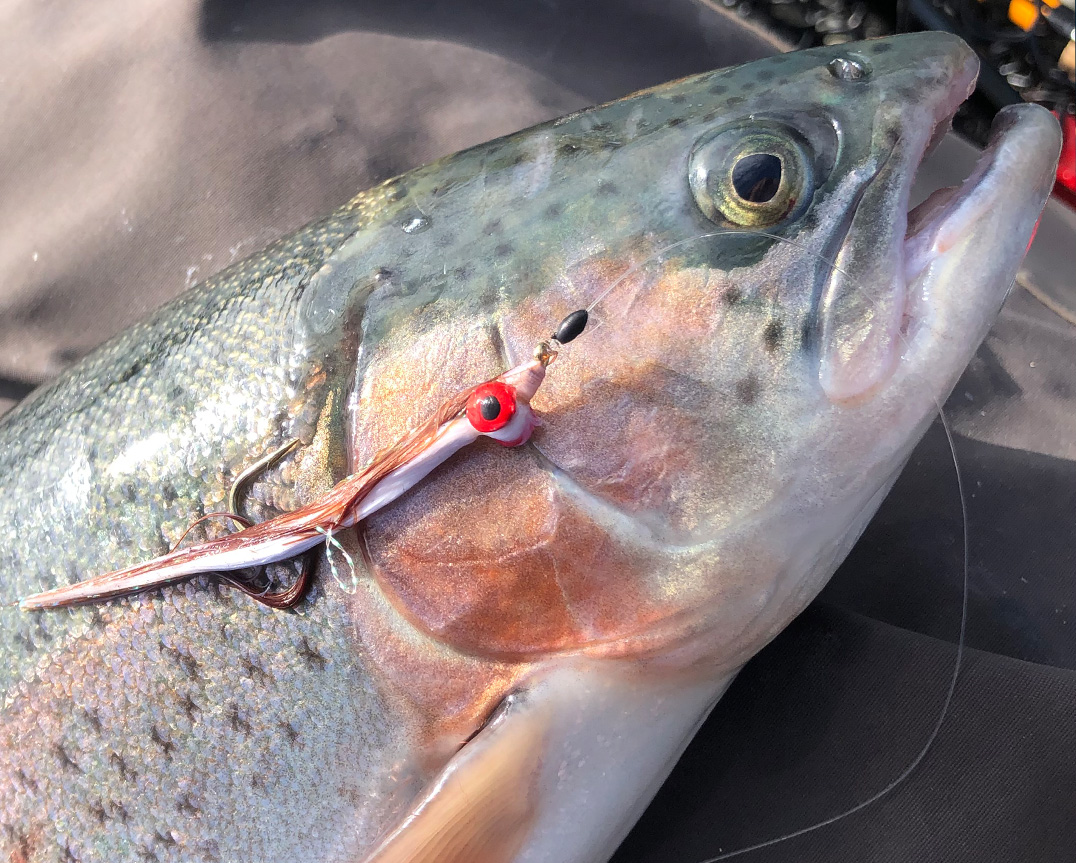
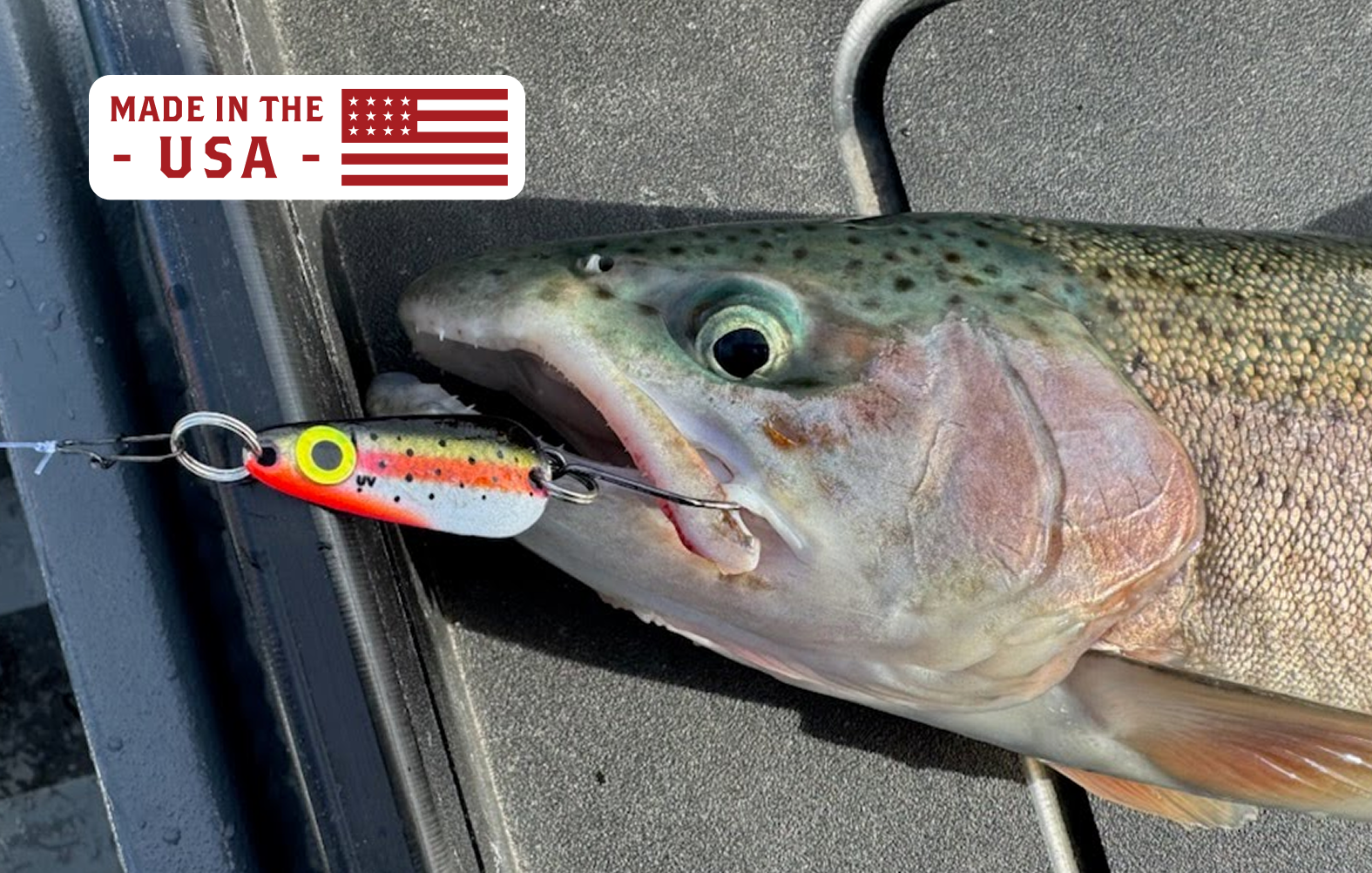
To find trout at a new lake, do your homework first, then prospect fast and let the fish show you where they are. Cal Kellogg learns which species live in the lake, checks surface temperature, and covers ground at 2.4 to 2.7 mph with a Trigger Spoon or a trolling fly before slowing down. In 70 degree surface water, trout hold at least 10 to 15 feet down. Watch your sonar, watch other boats, and watch for surface activity and birds.
How do I find trout at a lake I have never fished?
Do your homework first. Learn which species live there, at Bucks Lake that meant rainbows, browns, brookies, mackinaw, and kokanee. Then read conditions and prospect. In 70 degree surface water trout sit at least 10 to 15 feet down. Cover ground with a Trigger Spoon, watch your sonar, and watch the local boats.
Should I troll fast or slow when prospecting a new lake?
Start faster to cover water. Do not open with a real slow presentation. Cal Kellogg pushes along at 2.4 to 2.7 mph while pedaling out of a bay just to keep a line in and figure out what is going on. Once he finds a concentration of fish, then he slows down and dials in the presentation.
How deep should I fish on a new lake?
Let surface temperature set your depth. At 70 degrees on top, trout hold at least 10 feet down, often 15 or more, so run a fly around 15 feet on leadcore. Kokanee sit deeper, 45 to 60 feet at Bucks Lake. Use your sonar to mark fish, then set your gear right in that zone.
How do other boats help me find fish on a new lake?
Watch them. You are surrounded by anglers who have probably fished the lake before, so keep an eye on where they run and where they drop gear. Cal watched a kokanee sled leave the ramp, saw where it started dropping gear at the mouth, and did the same thing.
Where do trout move after a storm or heavy wind?
They push into the backs of coves and bays and into shallow water. After a run of wind and rain, Cal found big concentrations of trout in areas he would not ordinarily find them. Rising, muddy water and the current created during the rise shove bait and fish up into those spots.
Does a dropping water level move the fish?
Yes. When a reservoir falls about a foot a day the fish scatter and get less predictable. On a fast drop with a bright full moon, fish suspend during the day, feed at night, and the daytime bite slows. Expect to work for them and keep prospecting.
How do I set up for kokanee on a new lake?
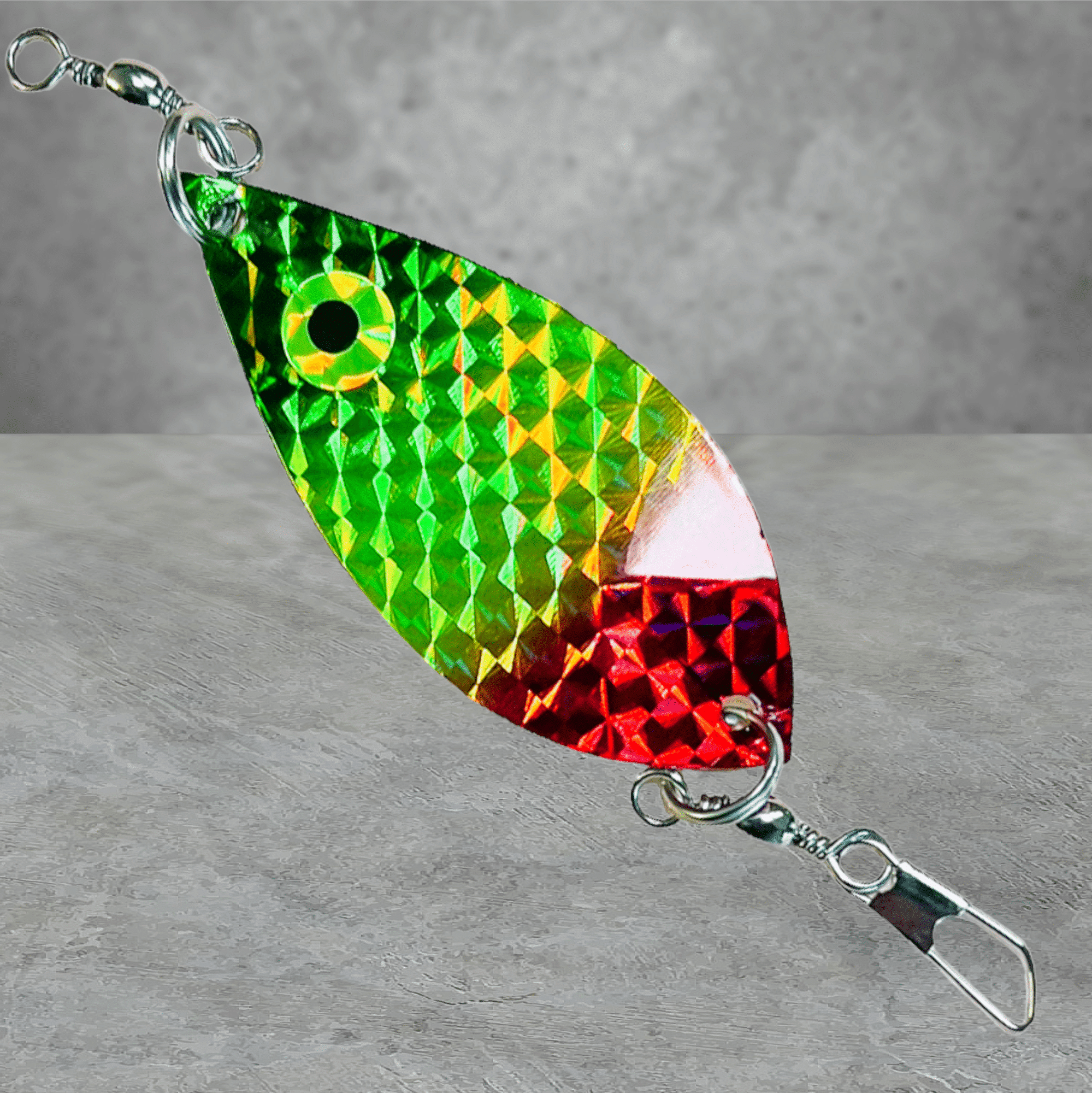
Slow troll. Cal ran a silver Turbo Flasher, which is an inline spinner, to a short 20 inch leader and a small spinner tipped with white shoepeg corn. He kept it around 45 to 47 feet at 1.4 to 1.8 mph. Cure the corn with Big Nate corn cure for scent.
What lures cover water fastest when scouting?
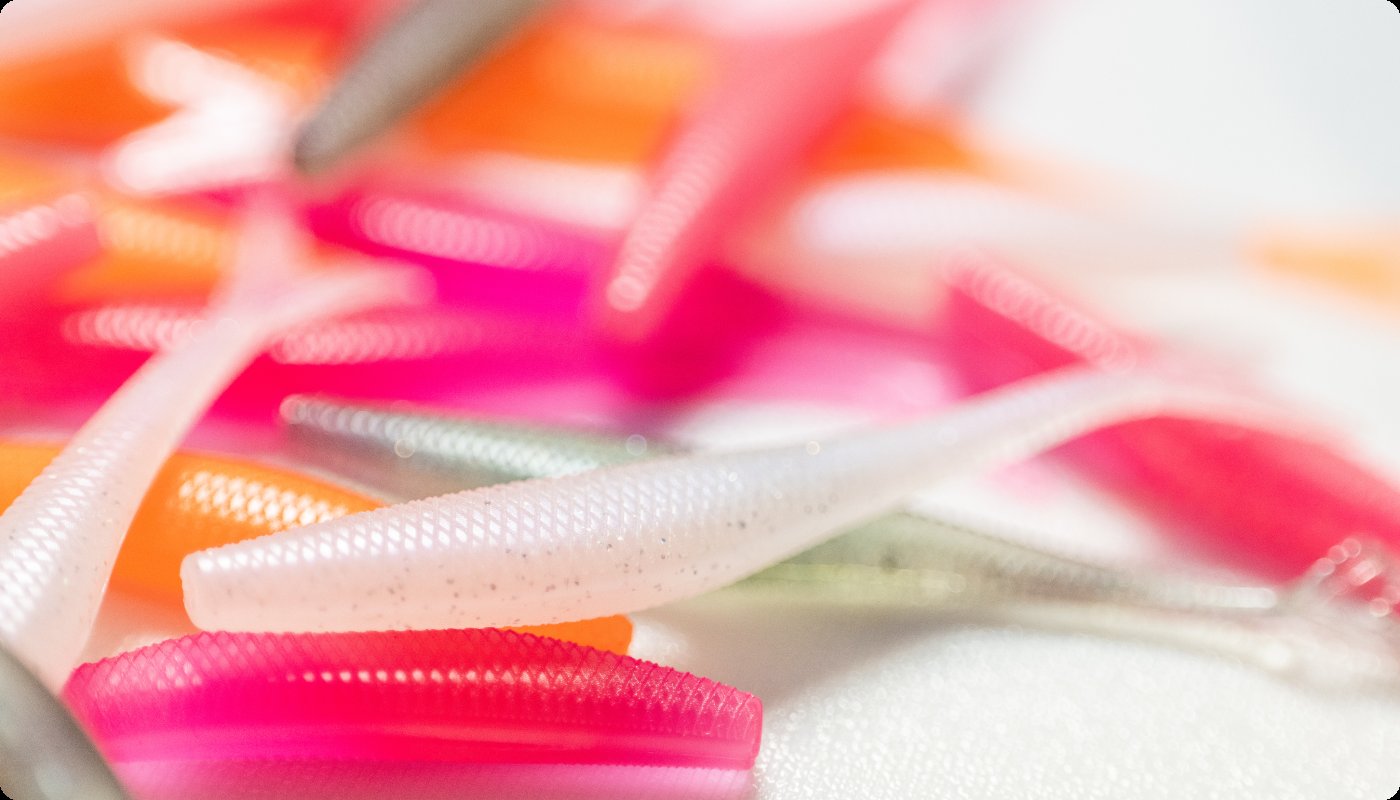
Spoons and flies. Run a Trigger Spoon or a Speed Spoon clean and fast to search a lot of water, or a trolling fly you can pull at almost any speed. On low density lakes with fewer fish per cubic foot of water, faster lures let you meet more fish.
Watch the technique
Finding trout at a new lake FAQ
Start where you launch and keep a line in the water while you head to open water. Watch where local boats turn and drop gear, and put your gear down when your sonar or surface activity gives you a reason to.
Around 70 degrees or cooler and trout sit nearer the surface. At 70 on top expect them at least 10 to 15 feet down, and shallower as the water cools into the 50s and low 60s.
Wind, rain, rising water, and the current from the rise push bait and trout into the backs of coves and onto shallow, sloping banks. Those out of the way areas can hold big concentrations right after a storm.
Yes. At lakes with fewer fish per cubic foot of water, like Folsom, cover more water with faster lures. Less forage per fish there also grows a smaller number of very large trout and salmon.
Expect a tougher, scattered bite. On a fast drawdown with a full moon, fish spawn or feed at night and suspend during the day. Be patient, keep moving, and fish the changing conditions.
Not every mark is a target. On low density lakes many marks are non game fish. Match your lure to the forage, cover water, and let the bites, not just the sonar, tell you where the trout are.
Fish the conditions rather than the clock. Cover water when there is ripple or low light, and slow down and grind once you locate a group of biting fish.
No. A leadcore setup lets you search the top of the column while a downrigger reaches deeper marks. Use sonar to place your baits in the depth zone where you are marking fish.