
How to Fish Don Pedro Lake (Trout, Kings & Kokanee)
How to fish Don Pedro Lake for trout, kings, and kokanee: Captain Monte Smith on fast trolling spoons, rolling shad, and multi species stacks.
Don Pedro is a multi species trolling reservoir for rainbow trout, king salmon, and kokanee. Monte Smith fast trolls Optimizer and Junior Optimizer spoons run clean in the top 20 feet for aggressive rainbows, then rolls frozen shad on a harness down 60 to 70 feet for kings. Best depths run 35 to 75 feet. Rainbows average 2 to 3 pounds and reach 5 to 6, and kings run a pound and a half to 8 pounds on a good year in the size cycle. May and September are the prime months.
How do you catch rainbow trout at Don Pedro?
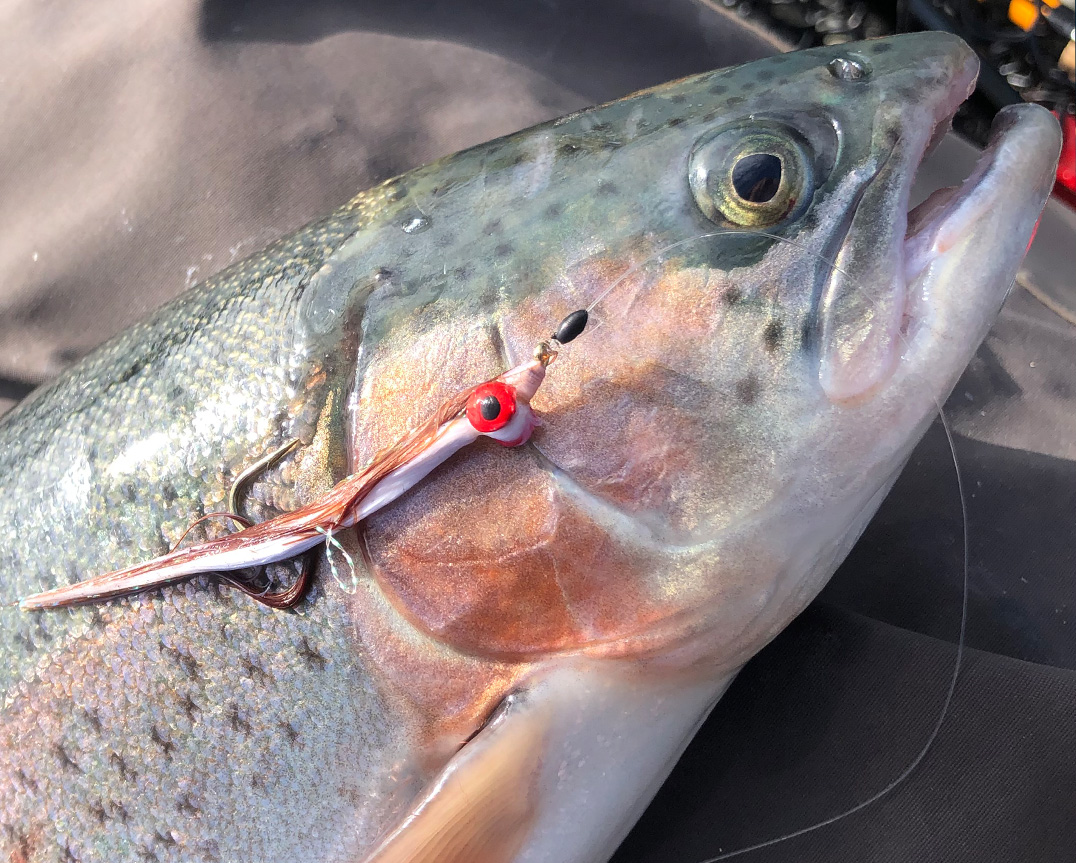
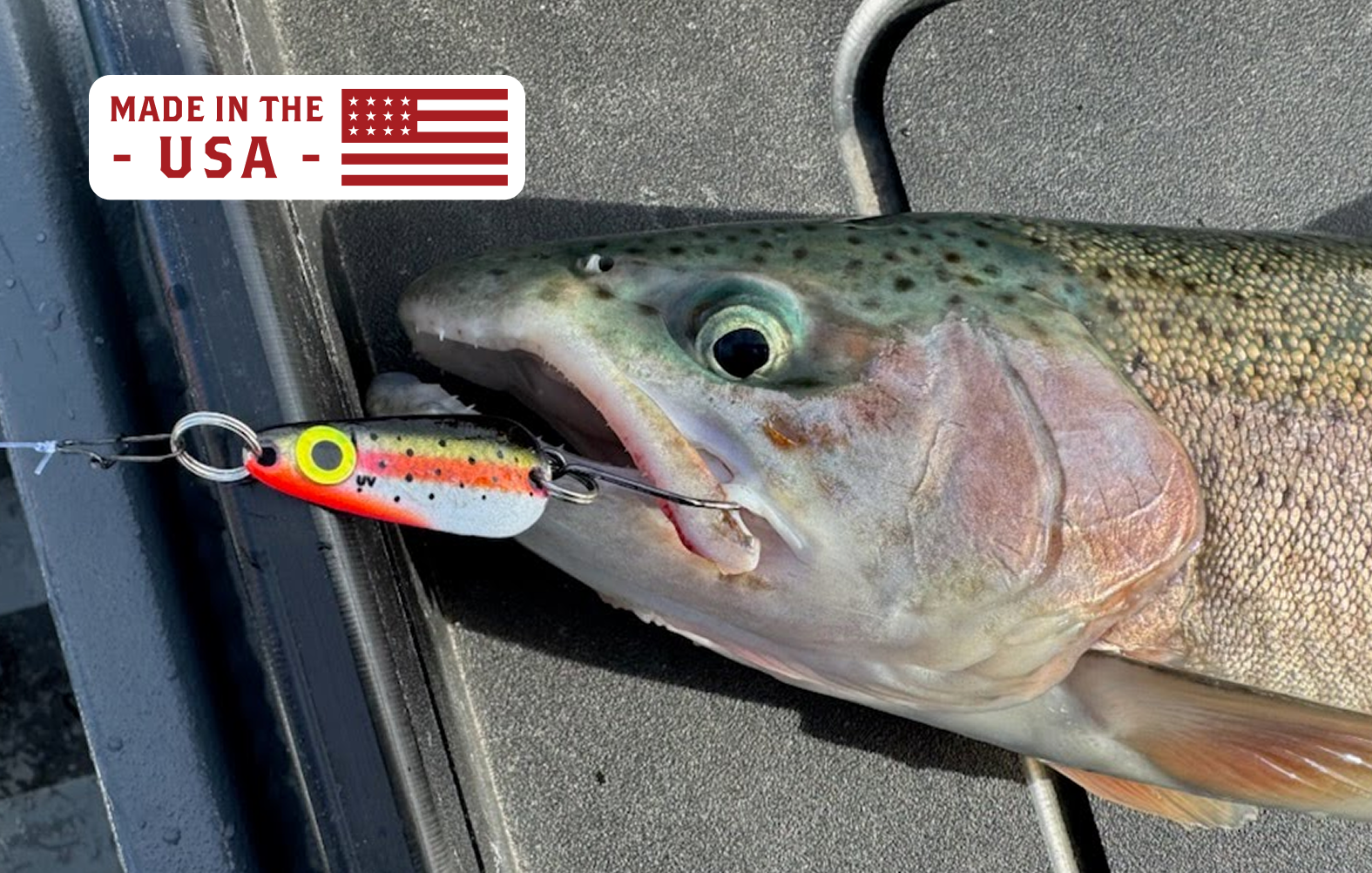
Fast troll spoons run clean. Monte Smith pulls Optimizer and Junior Optimizer spoons, keeping them in the top 20 feet on about 4 and a half colors of lead core. As the water warms the rainbows get aggressive and hammer a fast moving spoon. Match the small shad they feed on with smaller lures.
How do you catch king salmon at Don Pedro?
Roll frozen shad on a harness down deep. Monte runs shad or a bait head 60 to 70 feet down for kings holding on the main lake. The kings cycle in size, running a pound and a half to about 5 pounds most years, with a few fish over 8 pounds in a strong class.
Can you catch trout, kings, and kokanee in one trip?
Yes, that is the magic of Don Pedro. Monte stacks the water column: rolled shad down 60 to 70 feet for kings, kokanee gear above that, and a small dodger with a nightcrawler above the kokanee gear for rainbows. On one pass you can put a king, a kokanee, and a rainbow in the boat.
How deep are the fish at Don Pedro?
The best depths run 35 to 75 feet. Kings hold deep, 60 to 75 feet. Kokanee should be in the top 30 feet in warm water but scatter deeper, down to 54 feet, when the water is cold and the plankton has not bloomed yet. Rainbows ride higher, in the top 20.
What colors work best at Don Pedro?
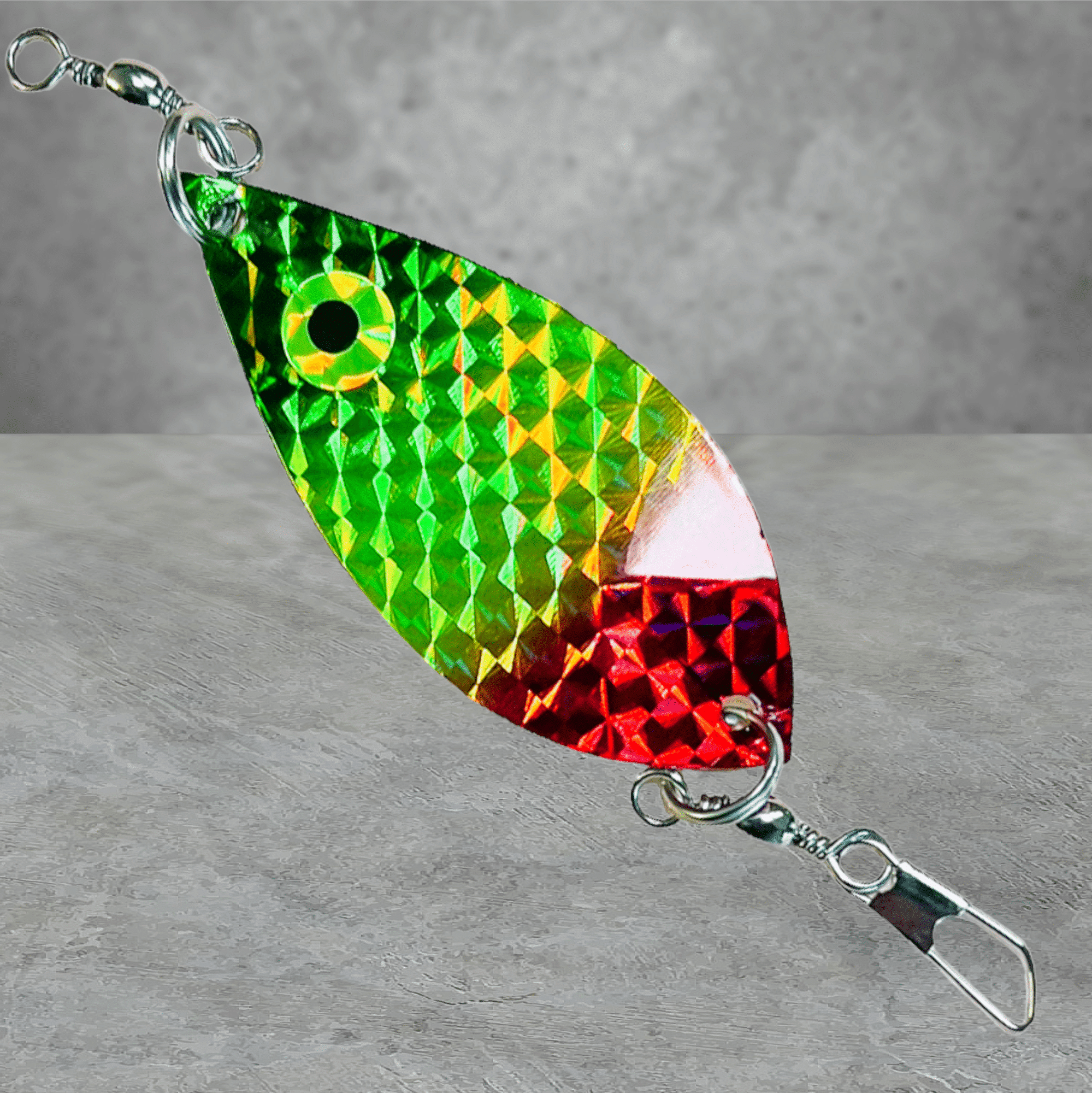
Match color to light and depth. Bright sunny conditions call for bright finishes, low light wants darker blue and silver or blue and gold. Chartreuse holds its color deep, while red goes gray past 20 feet. Brass and gold shine early, pink and silver mid morning, and orange produces almost any time.
When is the best time to fish Don Pedro?
May is the top month. The water warms, the shad hatch, and the fish get excited, so you can get rainbows, kokanee, and kings on the same trip. September is another great window once the vacation crowds leave and the lake quiets down for phenomenal trout fishing.
Where should I fish on Don Pedro Reservoir?
Start on the main lake near the dam and work spots like Rogers Creek back toward Highway 132. Look for grebes and diving birds that mark the bait. Don Pedro is huge and the fish move day to day, so make a few passes and keep moving until you find them.
Watch the technique
Multi species trolling at Don Pedro Reservoir FAQ
Average rainbows run 2 to 3 pounds, and Monte catches them well over 5 and 6 pounds. These are big chrome bright, hard fighting, square tail fish that spend their lives eating shad.
The kings cycle in size. Most seasons produce fish from a pound and a half to 5 pounds, with a lot of fives and sixes and a few sevens, and in a strong year three or four fish over 8 pounds.
Kokanee school up once the water warms and the plankton blooms. In cold water they scatter and can hold surprisingly deep, down around 54 feet. As summer comes on they gather in the top 30 feet and get much easier to target.
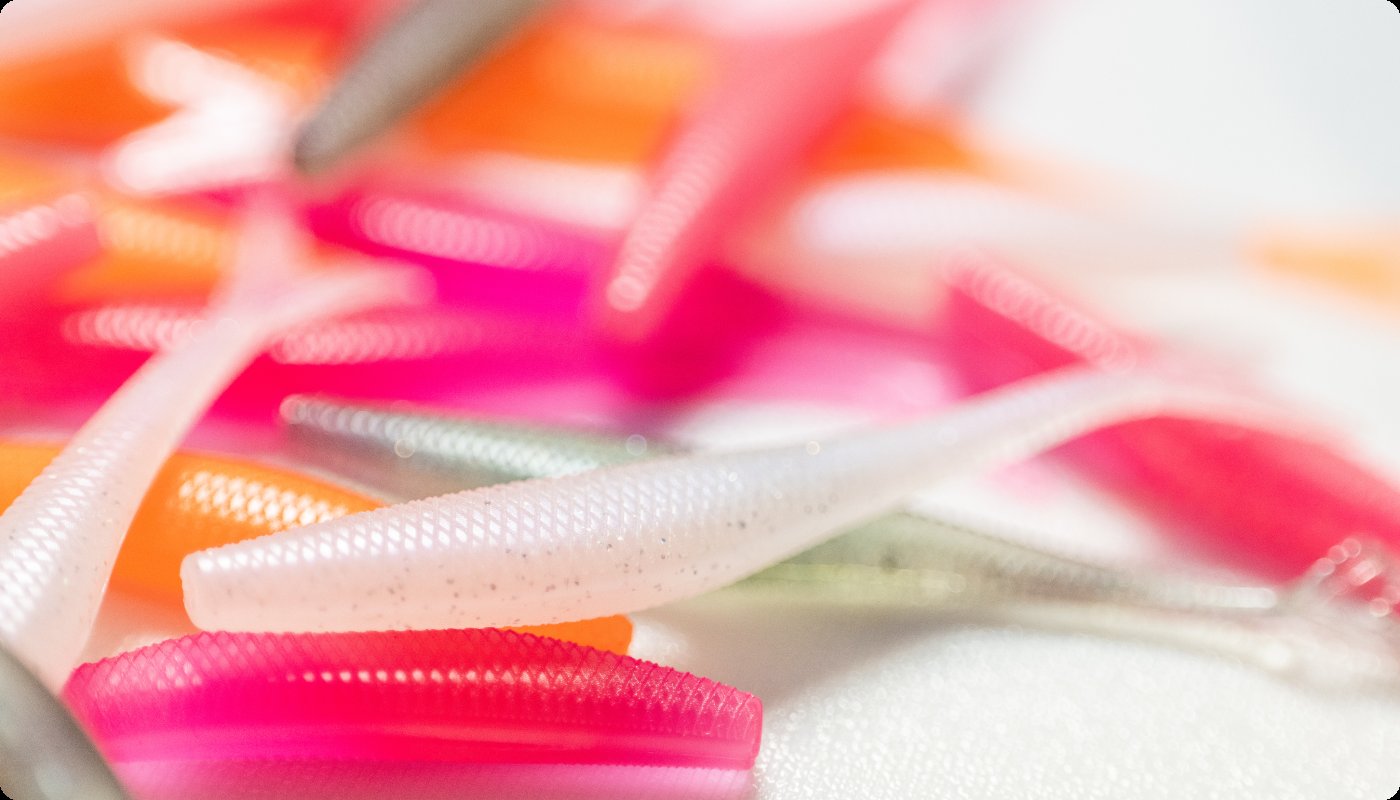
Shad. The trout and salmon key on shad, so match the hatch. When the shad are small, downsize your spoons and baits to the same profile the fish are already eating.
A fast troll spoon. Monte relies on Optimizer and Junior Optimizer spoons run clean, especially as the water warms and the fish get aggressive. Rolled shad is his deep king producer.
Net head first, never at the tail. The angler should stay calm and steady, let the fish take line if it wants, and keep the drag on the loose side so a big king or rainbow does not tear off at the boat.
Plenty. There are three species of bass plus rainbow trout, brown trout, kokanee, king salmon, and even brook trout. Monte has landed kokanee, rainbows, browns, and a brook trout all in one day.
It is a big, intimidating lake, so read reports and start on the main lake near the dam. The productivity rivals Shasta, but the fish move, so patience and covering water pay off on your first trips.