
How to Inflate a Nightcrawler for Trout
How to inflate a nightcrawler for trout: break off the head end, hook it once, and inject air so the worm floats and wriggles on a sliding-sinker rig.
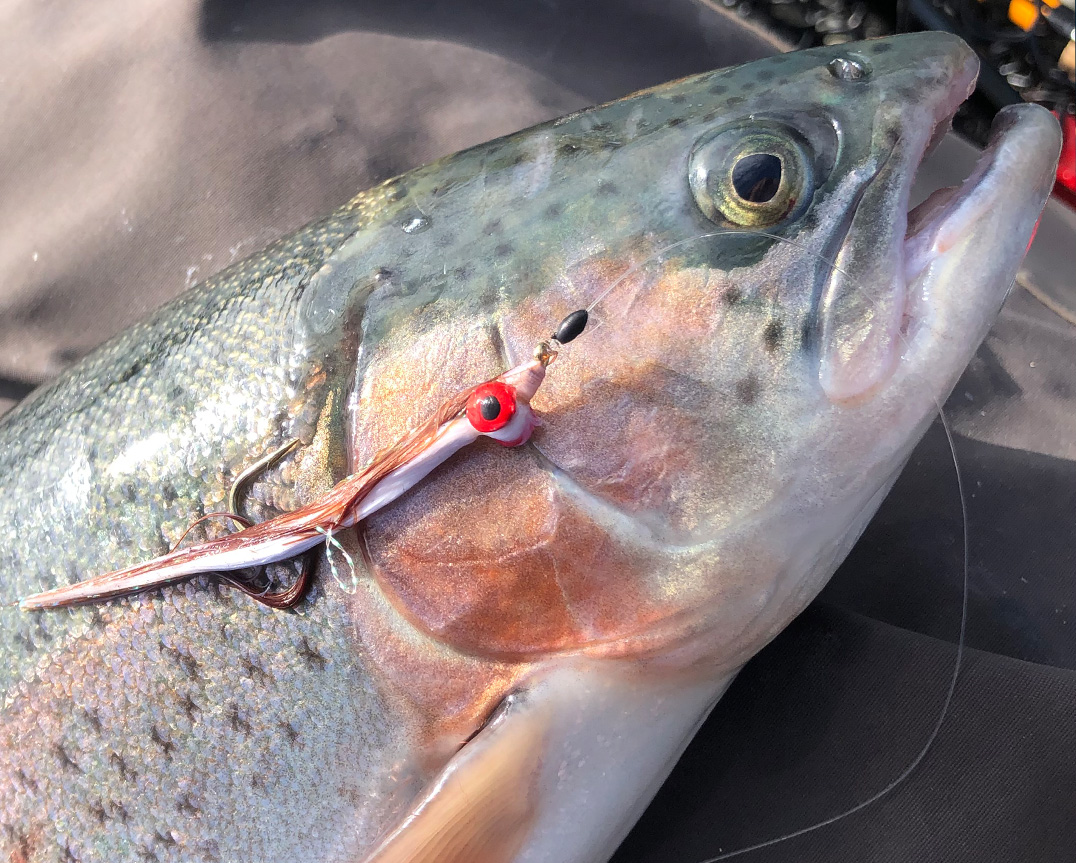
To inflate a nightcrawler, break off the firmer head end, pass a small light-wire hook through it one time, then inject a puff of air with a worm blower or a fine hypodermic needle so the worm plumps up and floats off the bottom. Fish it on a sliding-sinker rig with a 20 inch, 6 lb fluorocarbon leader and a small red octopus hook. Keep a slight slack line, let the worm wriggle and gyrate, and set when the line tightens.
Why inflate a nightcrawler for trout?
Injecting air makes the worm plump up and float off the bottom, where it wriggles and gyrates in place. Trout smell it, see it, and taste it, and because it is real meat they hold on. On a sliding-sinker rig the buoyant worm rides above the weight and bottom debris, right in a cruising trout's line of sight.
How do you inflate a worm step by step?
Break a full-size nightcrawler in half and keep the firmer head end, since that is where most of the muscle is. Pass a small light-wire hook through the worm one time, very lightly. Then insert a needle and give it a puff of air, adding a little to each end so the worm floats up nicely. Do not wad the worm up on the hook.
What do you use to inflate a worm?
You can buy a commercial worm blower, a small bottle with a needle that most tackle shops selling worms carry. Cal prefers a fine hypodermic needle from an agricultural supply store. Pull air into the needle, insert it into the worm, and push a small dose in. The finer needle leaves a smaller hole and airs the worm up cleanly.
What rig do you use for an inflated worm?
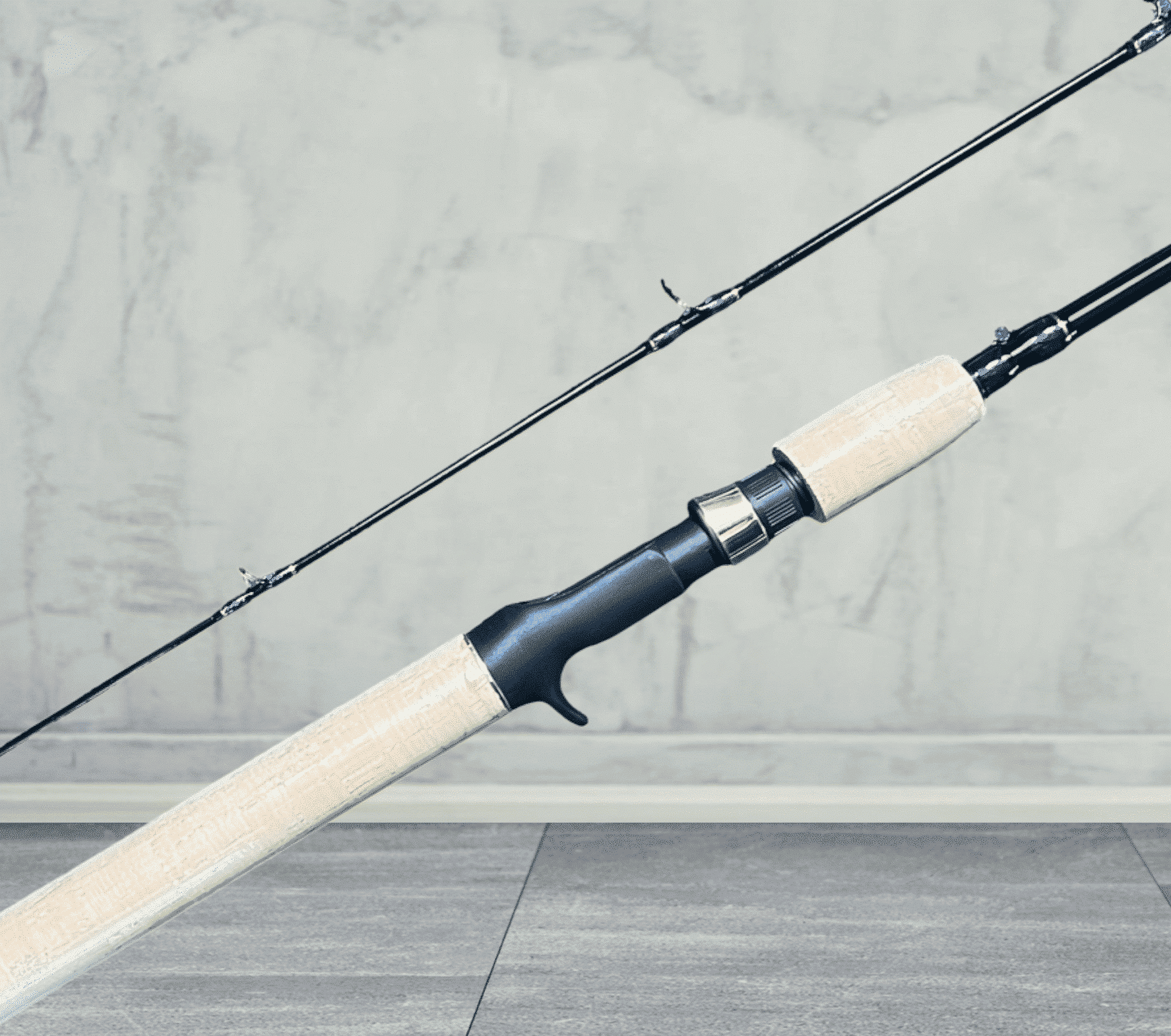
Fish an inflated worm on a spinning rod with a sliding-sinker setup: run the main line through a bullet weight, tie on a swivel, then add 20 inches of 6 lb fluorocarbon and a small red octopus hook. It is the same rig you would use for dough bait. Add a barrel swivel to separate the leader from the sliding weight.
How do you fish an inflated worm?
Cast it into coves and backwater areas and let the inflated worm float up off the bottom on a slight slack line. Trout will move in and play with it before committing, so watch the line. When it tightens up and starts to move off, it is fish on. This is a natural presentation, so use a small hook and only pin the worm once.
Inflated worm or PowerBait for trout?
Both float the bait up off the bottom, but the inflated nightcrawler is real meat that fish smell, see, and taste. Anglers who know dough bait like Berkley PowerBait are often surprised how well an inflated worm works. Keep the presentation natural: firmer head section, small light-wire hook, one pass through the worm, and a puff of air.
Watch the technique
Inflating a nightcrawler for trout FAQ
Use the head end, the pointier and firmer half where most of the muscle is. Break the crawler in the middle and throw the tail section away. The head section stays on the hook better and airs up cleanly for a natural float.
Use a small light-wire hook, such as a small red octopus hook. You are fishing for trout, not bluegill, so pass the hook through the worm one time and leave the bait natural. A light-wire hook helps the buoyant worm float and gyrate freely.
Just enough to plump the worm and make it float, usually a small puff, with a little extra toward each end. Over-inflating is not needed. The goal is a worm that lifts off the bottom and wriggles in the current where trout can find it.
Cal runs 20 inches of 6 lb fluorocarbon between the swivel and the hook. The light fluorocarbon stays nearly invisible, and the short leader keeps the buoyant worm floating a set distance above the sliding sinker on the bottom.
Fish it on a slight slack line. Trout come in and play with the floating worm before they eat it, so a little slack lets them take it without feeling resistance. When the line tightens and moves off, reel down and set the hook.
Target coves and calm backwater areas along the shoreline. Cal picks up bonus trout in these spots while breaking up a day of trolling, letting the inflated crawler float and wriggle where cruising rainbows can smell and see it.