
How to Land & Fight a Big Trout (Net & Drag)
How to land a big trout: drag settings, rod-tip control, and netting a trophy without losing it at the surface.
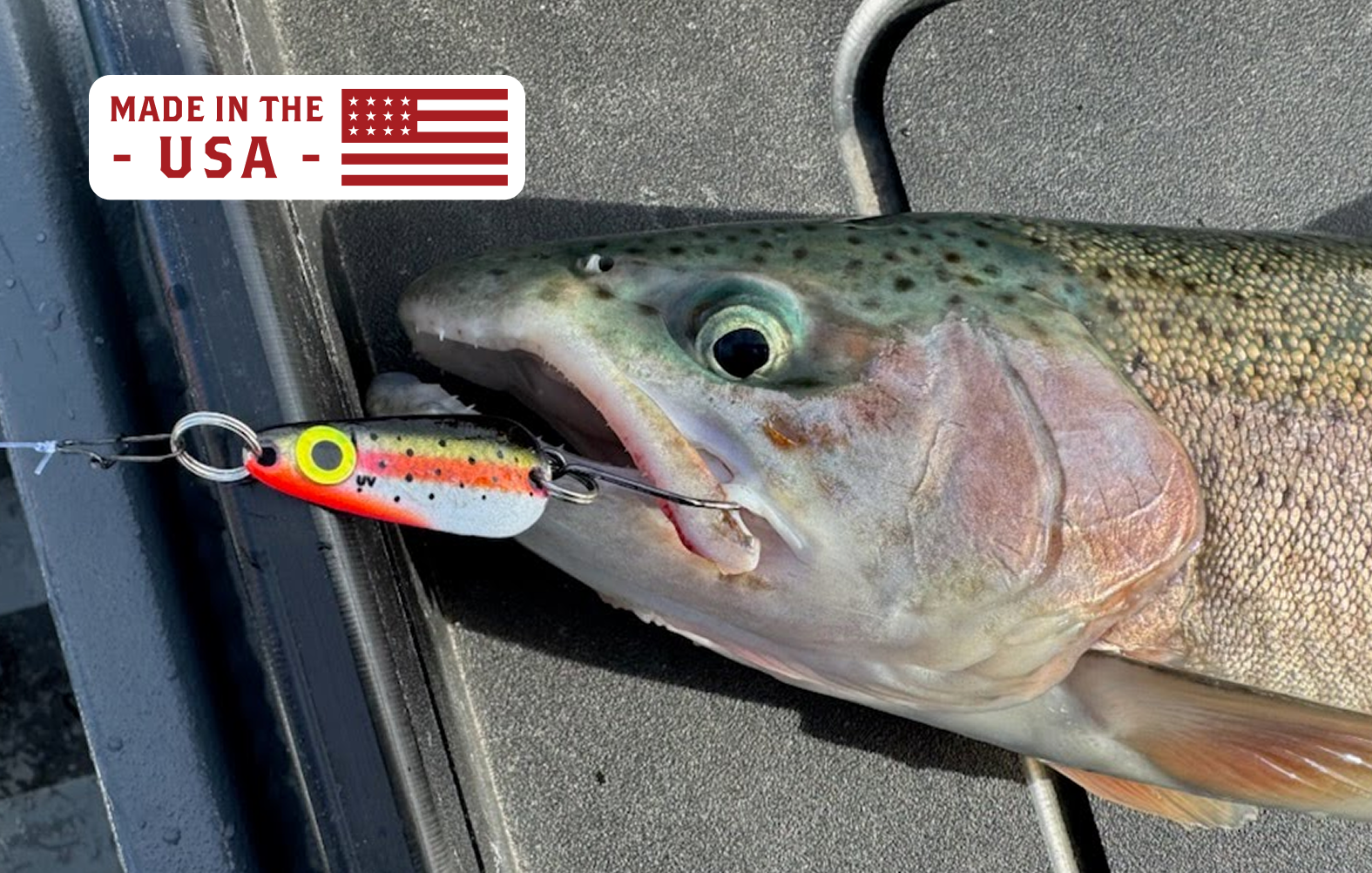
Land more big trout by keeping them under the water. The top way to lose a trophy is letting it thrash on the surface, so drop your rod tip and grind faster to pull the fish back down. Set your drag before you hook up and never too tight, because a big fish snaps 8 to 12 lb line on the strike. Keep the line tight, never give slack, and skip the pumping heroics. Run a fresh 8 lb fluorocarbon leader. Net the fish head up with a big net. An Optimizer spoon or a Trix Minnow hooks the biggest fish.
How do I land a big trout without losing it?
Set up for success before the bite: fresh 8 lb fluorocarbon leader, perfect knots, and a drag that is checked and not too tight. When the fish is down, keep the rod loaded and grind. When it nears the surface, drop the tip and reel faster to keep it under. Never give slack. Net it head up with a big net. Cal and his partner Wes land almost every big fish this way.
What is the number one way to lose a big trout?
Letting it thrash on the surface. Anytime a trout gets its head out of the water and into the air, your odds of losing it jump. Cal learned from Gary Coe of Kokanee Power to stick the rod tip in the water and crank the fish back down. It is much harder for a fish to shake the hook underneath the surface.
How tight should my drag be for trophy trout?
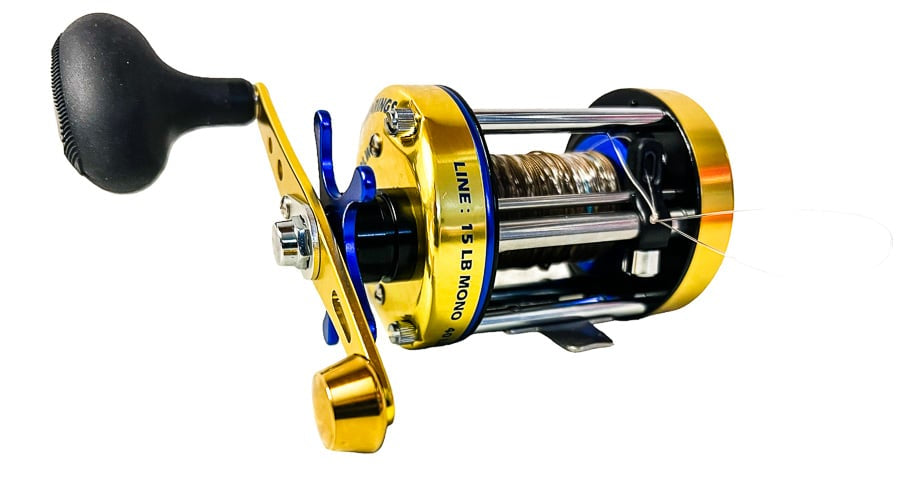
Not too tight. A big fish will break 8, 10, or even 12 lb test on the strike if the drag is locked down. The drag is there to wear the fish out. Check and double check it before you ever hook up. Cal once bumped the drag wheel mid fight, gave slack, and popped a fish off at the boat, so never adjust it with a fish on.
Should I keep my rod tip up or down when fighting a trout?
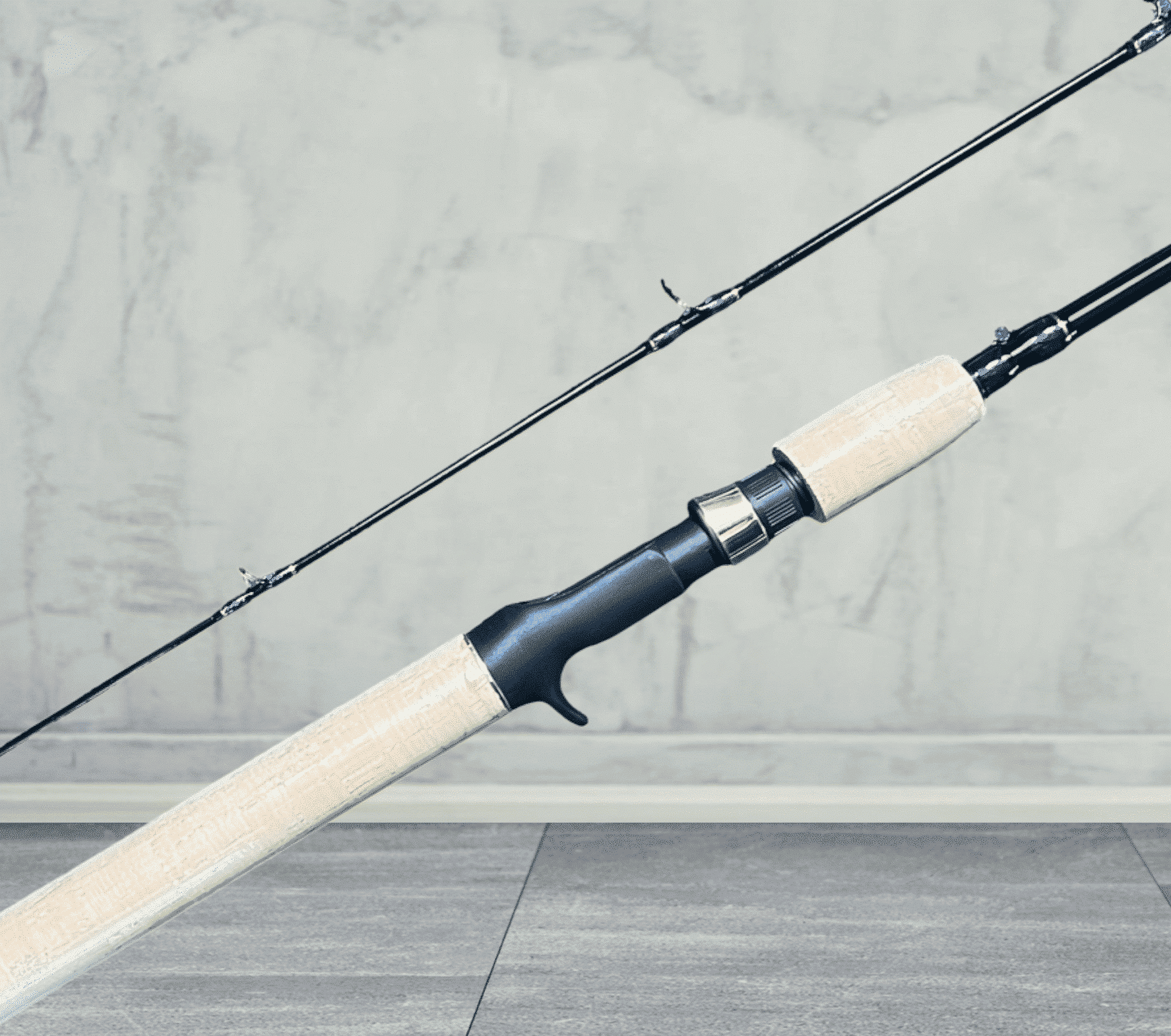
It depends on where the fish is. When it is down deep, keep the tip up and the rod loaded against it. When it is close to the boat, hold the tip fairly level with the water and never high stick. If the fish rises or thrashes, drop the tip and keep cranking. You can only elevate the rod safely when the fish is far behind the boat.
How do I net a big trout?
Use a big net and treat landing as a two person job, one grinding on the fish and one on the net. You usually get one shot, so never go for a fish whose head is pointed down. Wait until the head is up and the fish is in range, slide the net underneath, and lift with leverage off the rail once it drops into the basket. Keep the net elevated.
What leader and knots should I use for big trout?
Cal runs a fresh 8 lb fluorocarbon leader and makes sure every knot is tied perfectly, because close enough is not good enough. If a leader gets frayed on the first fish, he changes it, since the big fish tends to hit the exact same rod. Realistic weight tackle, tied right and fresh, is the foundation of landing trophies.
Do dodgers make trout harder to land?
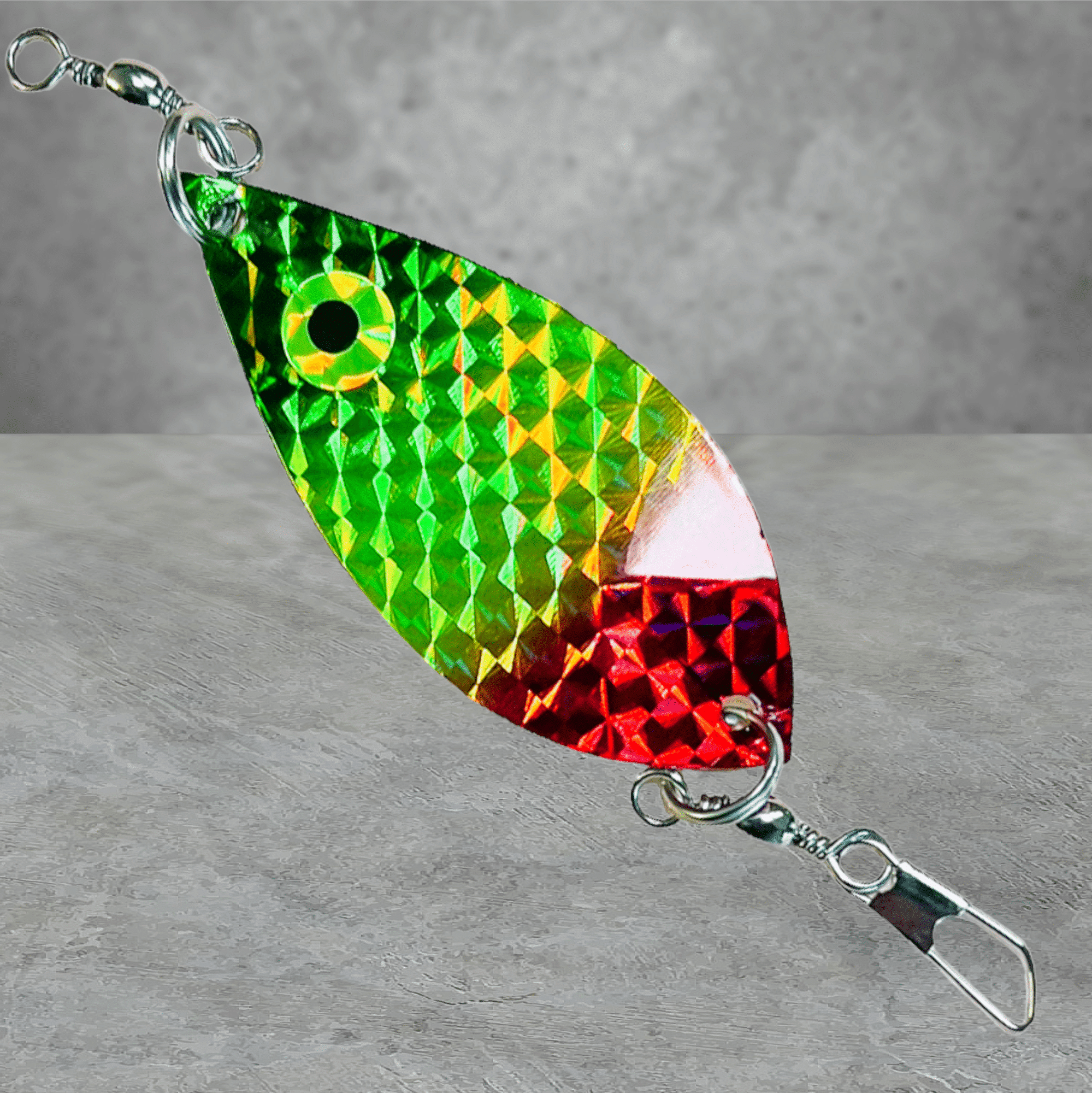
Yes. A dodger in the mix is one more thing for the fish to fight against and develop slack against, especially once it reaches the surface. Sometimes you need a dodger on a slow troll presentation, but when one is on the line you have to work doubly hard to keep the fish down underneath the water.
Why do I lose trout right at the boat?
Usually high sticking, bumping the drag, or a light hookup. A fish that shakes off 15 to 20 feet back never really inhaled the bait. Near the boat, keep the tip level with the water, keep the line tight, and let a checked drag do its work. Do not lift a big fish or maneuver it up where it can thrash.
Watch the technique
Landing and fighting big trout FAQ
A fresh 8 lb fluorocarbon leader with perfectly tied knots. Cal changes it out the moment it frays, because the biggest fish often comes on the exact rod that just got a little abraded.
No. Skip the Wicked Tuna style pumping. If your timing is off, you lift and cannot reel fast enough on the way down, and that gives the fish slack. Just keep the rod loaded and grind, never stopping the reel.
Keep it under the water. Drop the rod tip, even sticking it into the water, and crank the fish back down. A trout that cannot get its head into the air has a much harder time shaking the hook.
Only when its head is up and it is within range. Never net a fish whose head is pointed down. You typically get one shot, so slide the net under the fish and lift as soon as it is in the basket.
It is best done by two. One angler fights and grinds while the other runs the net, and both need to be ready. Cal coaches his clients through the fight and positions himself with the net for the shot.
No. Quitting too early is a top mistake. Big browns will bite at one in the afternoon on a calm, sunny, windless day, so keep your gear in the water.
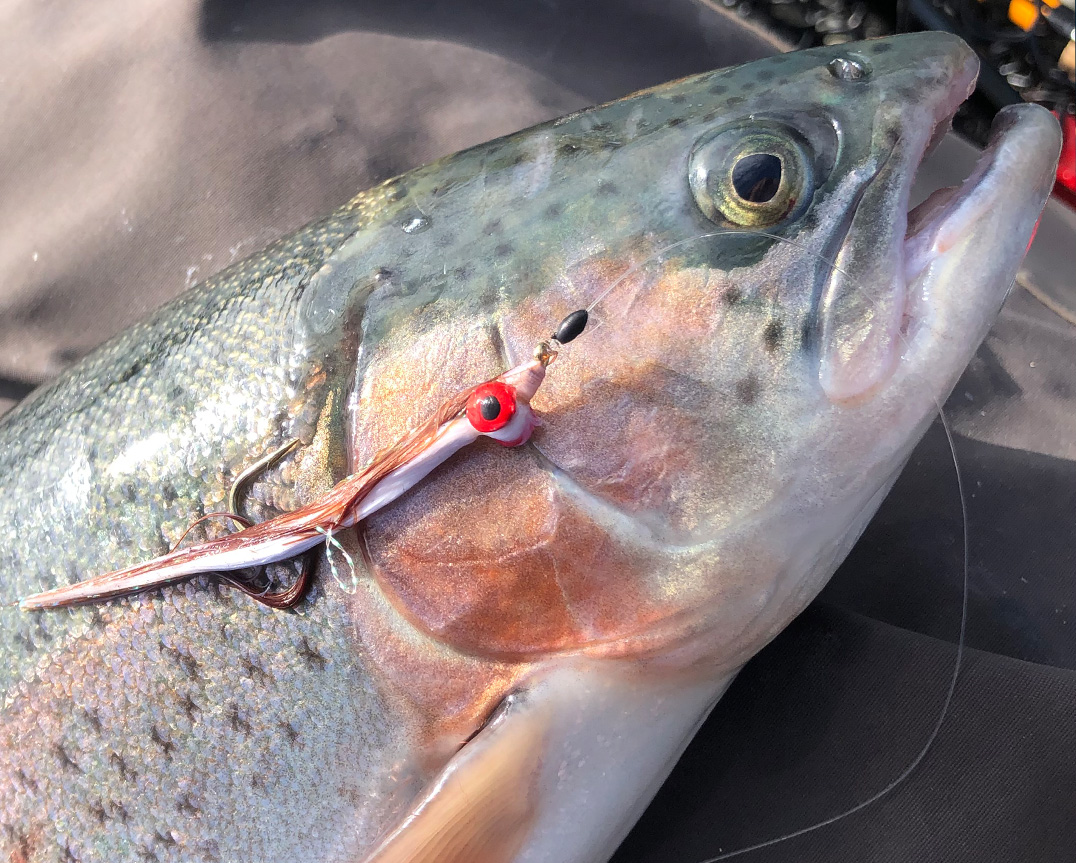
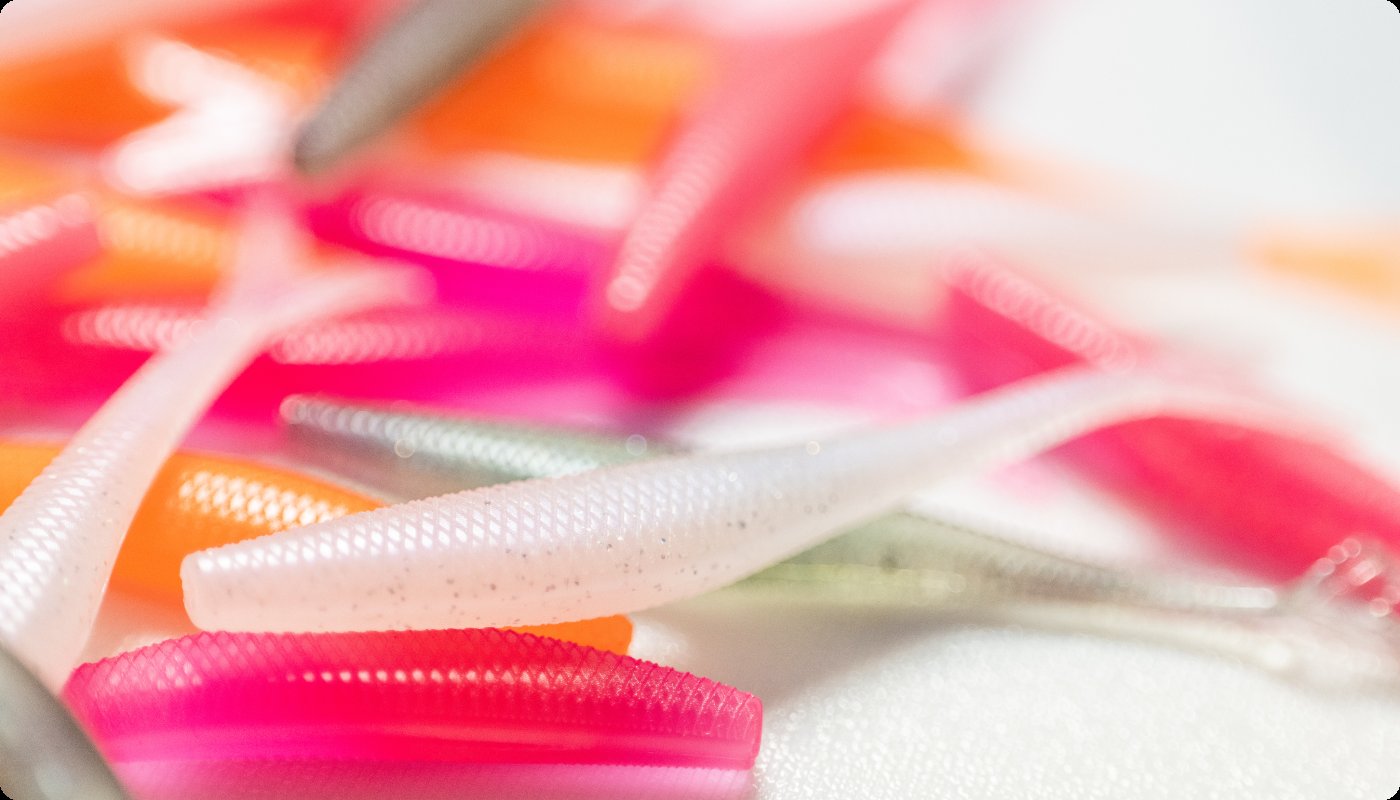
Optimizer spoons and soft plastics. A 6 pound plus Collins Lake rainbow ate a Trix Minnow running about 8 feet deep, hooked well back in the bait, and pink Trix Worms also draw quality fish.
When fishing solo, keep forward momentum and use the boat to draw the fish, while keeping the rod tip down and the line tight. That steady pressure tires the fish and keeps it from getting slack in shallow water.