
Trout Spoon Color Selection: What to Use & When
Best spoon color for trout by light, depth, and forage, with guidance from power troller Monte Smith and Cal Kellogg.
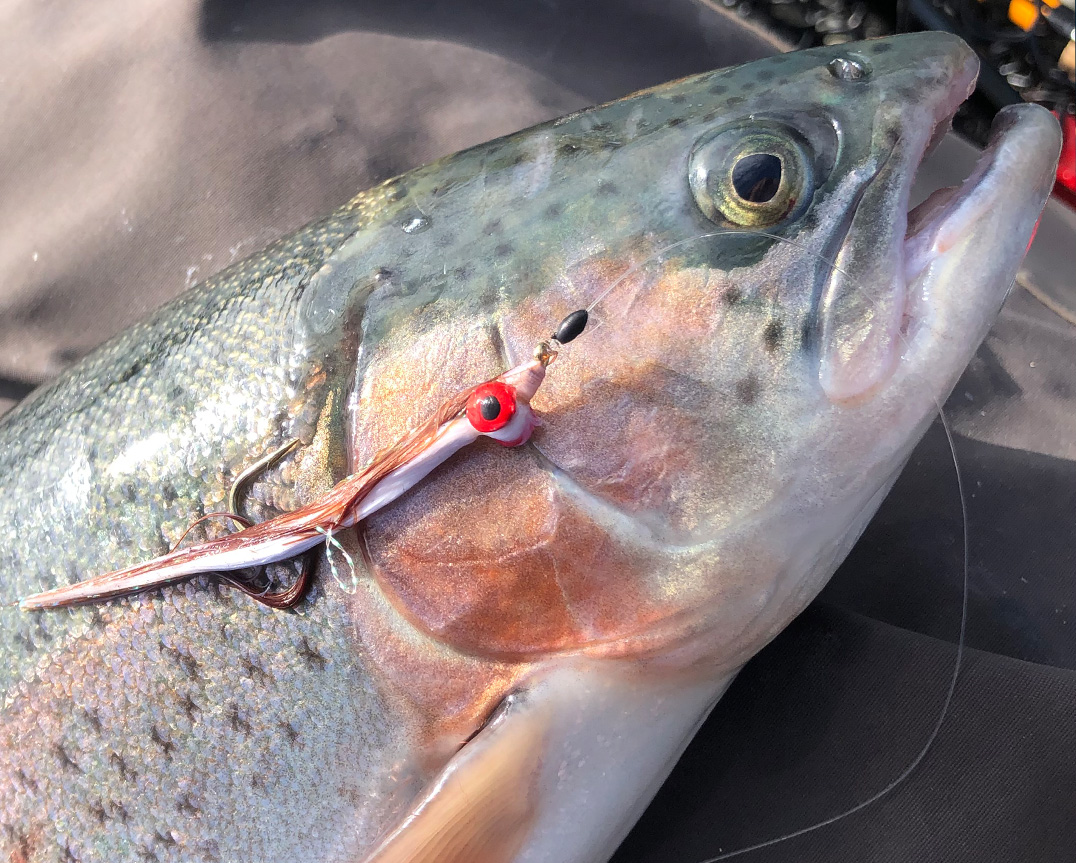
Pick spoon color by light, depth, and forage. In bright sun run reflective silver and chrome; in low light or early morning go darker with blue, gold, copper, and death prism finishes. Chartreuse and orange hold up in deep or stained water, while red turns gray past 20 feet. On bait fish lakes run metallic shad patterns; on High Sierra bug lakes run bold orange, pink, and chartreuse. Monte Smith power trolls these colors at 2 to 3 mph to find aggressive fish.
What spoon color is best in low light or early morning?
Go darker and more natural. Monte Smith reaches for blue and silver, blue and gold, and darker finishes when light is low. Cal Kellogg agrees, starting overcast mornings with mellow metals like hammered 24 karat gold, real copper, and death prism silver. Save the bright chrome for when the sun climbs.
What spoon color works in bright sun?
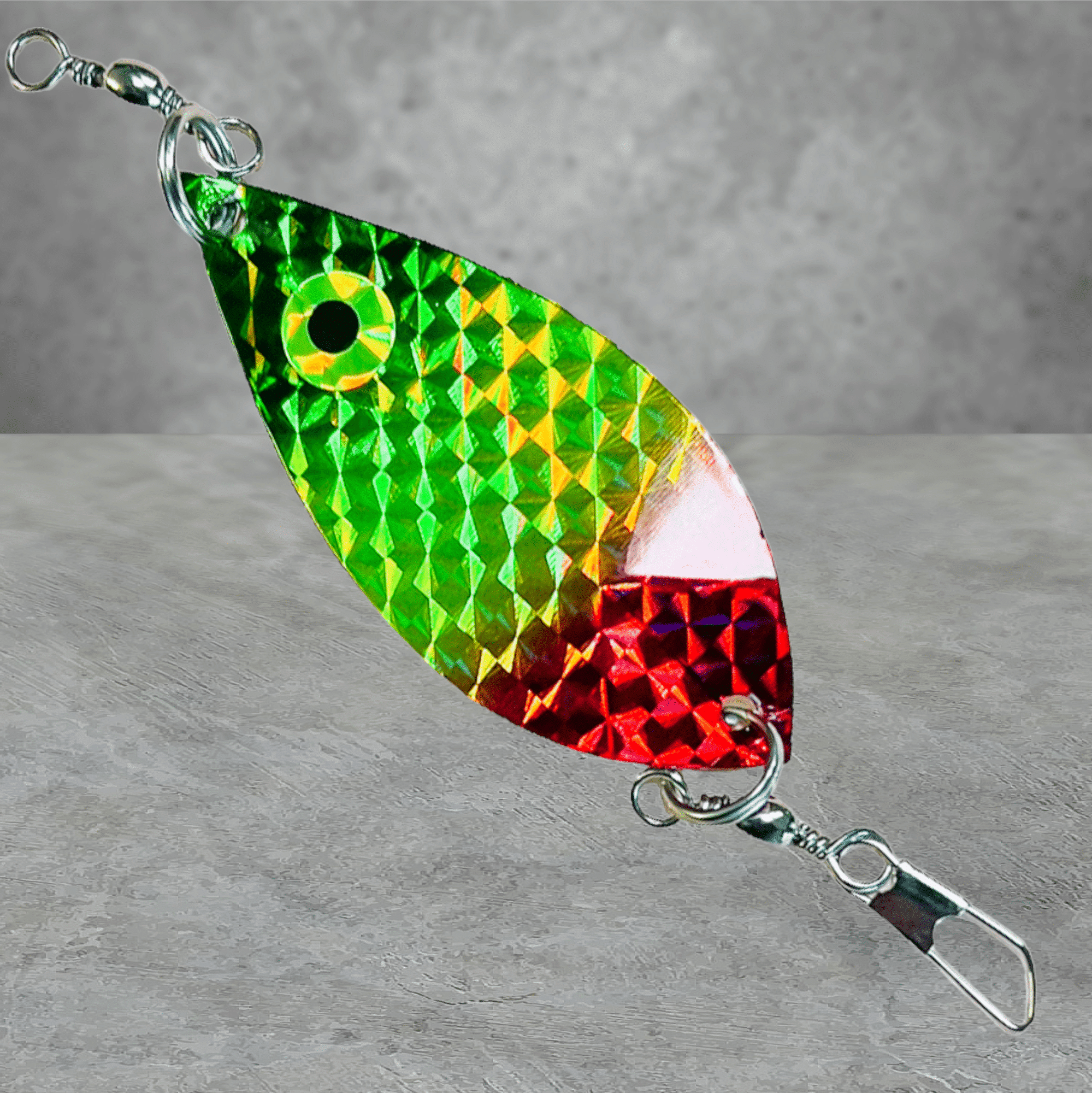
High sun calls for high flash. Monte Smith and Cal Kellogg both switch to reflective chrome and natural silver, sometimes with a touch of orange paint, once the sun is up on the water. Pink and silver shine mid-morning around 10 or 11 as the sun rises.
Does spoon color change with depth?
Some colors fade deep. Monte Smith notes chartreuse holds its color in deep water while red turns gray past about 20 feet and is nearly useless at 90 feet. That said, Cal Kellogg has watched fish tell an orange spoon from a pink one at 80 to 90 feet, so do not assume color disappears.
How do I pick spoon color by the lake?
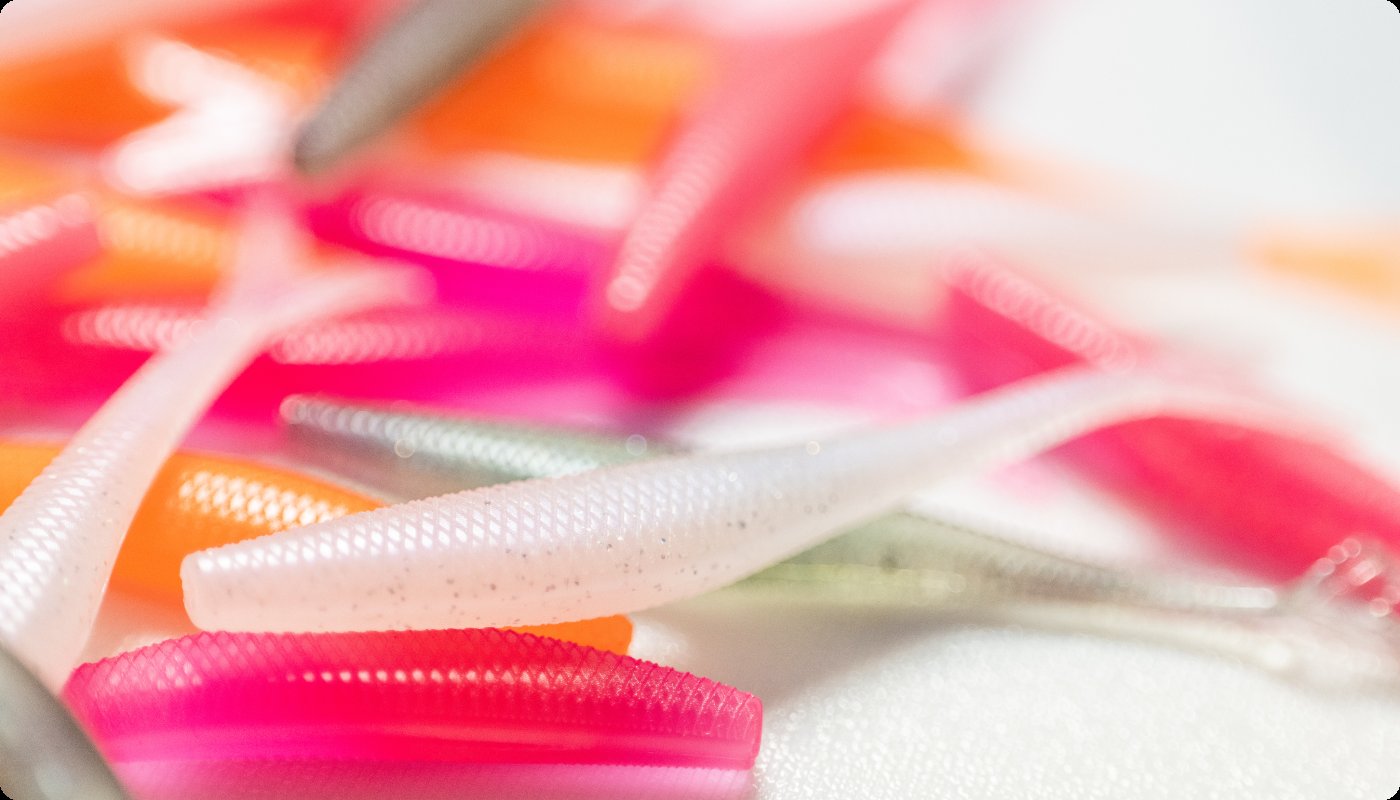
Match the forage. On bait fish lakes with pond smelt or threadfin shad, Cal Kellogg runs metallic shad patterns: silver, copper, gold, and dark-over-light like a cop car finish. On High Sierra bug lakes he runs bold orange, pink, and chartreuse frog patterns to spark curiosity from insect-eating trout.
Why do real metal spoon finishes work better?
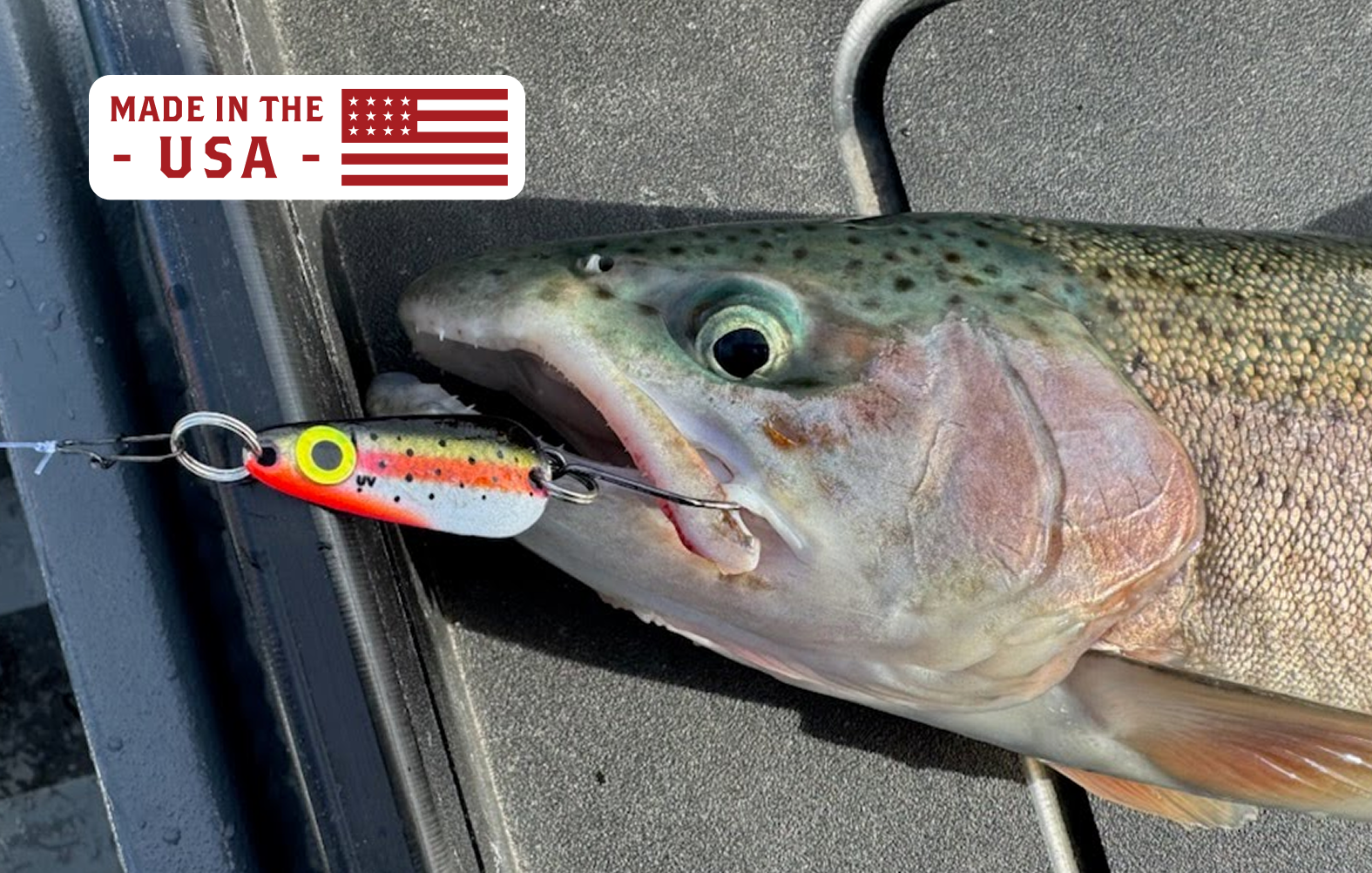
Real silver, 24 karat gold, and pure copper outfish chrome and brass imitations, and Cal Kellogg pays extra to plate his spoons in genuine metal. Hammered finishes add extra flash. When trout key on bait fish, that authentic metallic luster is what closes the deal.
How does color fit into power trolling?
Power trollers like Monte Smith cover water at 2 to over 3 mph to find aggressive fish, so the color has to grab attention fast. He carries a full range and adjusts to the light and depth he is fishing, because the color that worked yesterday rarely produces all day today.
Watch the technique
Trout spoon color selection FAQ
There is no single answer, but orange is close. Monte Smith calls orange a great color in both low light and bright sun. Cal Kellogg leans on the core metallics, silver, gold, and copper, on bait fish lakes. Start with your confidence color, then adjust to the conditions.
Red is the first color the water filters out. Monte Smith points out that a red spoon turns gray in the top 20 feet and shows no color at 90 feet. If you want a warm color to stay visible deep, run chartreuse or orange instead, which hold up far better.
On bait fish lakes, yes. Cal Kellogg runs metallic shad and pond smelt patterns where trout eat bait fish. On bug-eating Sierra lakes, do the opposite and run bright, bold colors, because a size 16 fly cannot be imitated by a spoon, so you provoke a reaction strike instead.
Start mellow and natural early or under clouds: hammered gold, copper, death prism, or a black or frog pattern. As the sun climbs, switch to chrome, natural silver, and brighter painted patterns. Monte Smith adds pink and silver mid-morning as the sun rises.
Build a pattern with subtle changes. Once you get a bite, try a slightly different shade, like bubblegum pink instead of standard pink, and grind on the area rather than leaving it. Cal Kellogg has seen a pink spoon far outproduce an orange one on the same day.
Yes. High Sierra fish feed heavily on insects and tend to be aggressive because of their short season. Cal Kellogg runs bright orange, pink, and chartreuse to catch their attention there, the opposite of the natural metallics he runs on valley bait fish lakes.