
Trout Trolling for Beginners: Start Here
Trout trolling for beginners: fish with a plan, dial in three speed ranges, run your lure above the fish, and stay on the school.
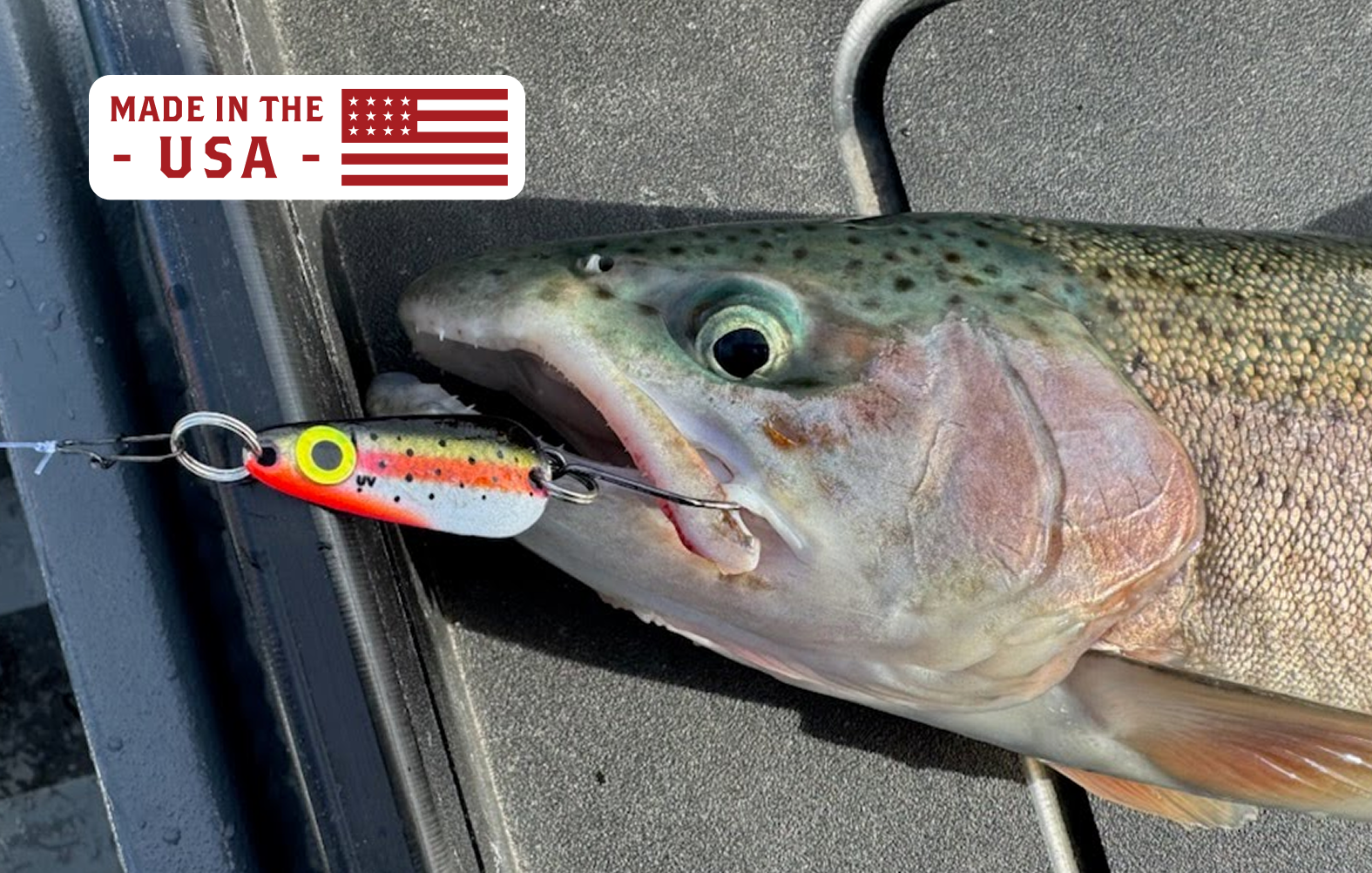
Start trout trolling with a plan and a few confident presentations, not a full tackle box. Cal Kellogg opens big, bold, and fast with a spoon like the Trigger Spoon around 2.5 mph to cover water and find fish. When the bite slows, he downsizes and slows down, dropping to a Trigger Junior or a soft plastic near 1.8 mph. Run your lure above the fish, use an 8 to 10 pound fluorocarbon leader, and when you find fish, stay on them until they quit biting.
How do I start trout trolling as a beginner?
Fish with a plan. Cal Kellogg goes out with an A, B, and C plan and adapts to what he sees. Plan A might be soft plastics and flies, plan B small spoons, plan C plugs or bigger flies. Do not dump the whole tackle box in the water. Pick a handful of presentations you trust and let the fish tell you what they want.
What trolling speed should I use for trout?
Think in three ranges. Slow is 1.5 to 2 mph, medium is 2.2 to about 2.7 mph, and fast runs 2.7 up to 4 mph. Have a couple of confident presentations in each range. Cal often opens fast with spoons, then drops to slow, subtle baits like a soft plastic when the bite cools off.
What lures do I need to start trout trolling?
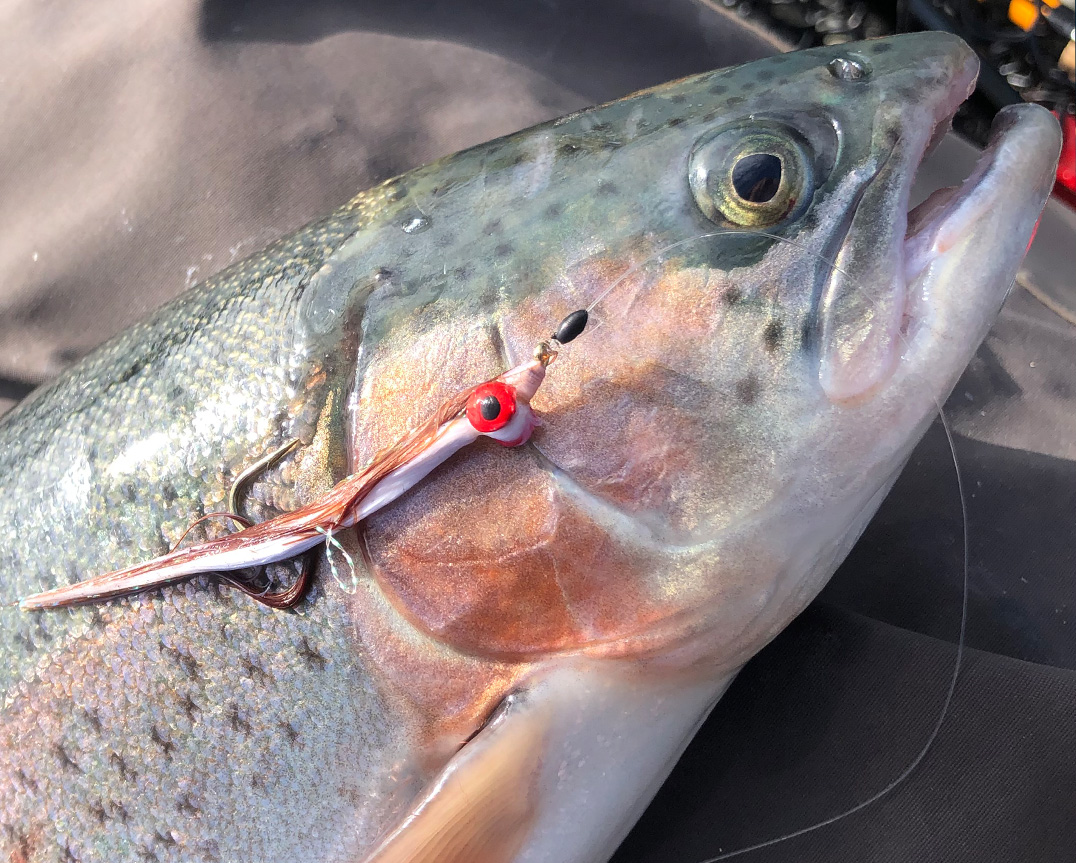
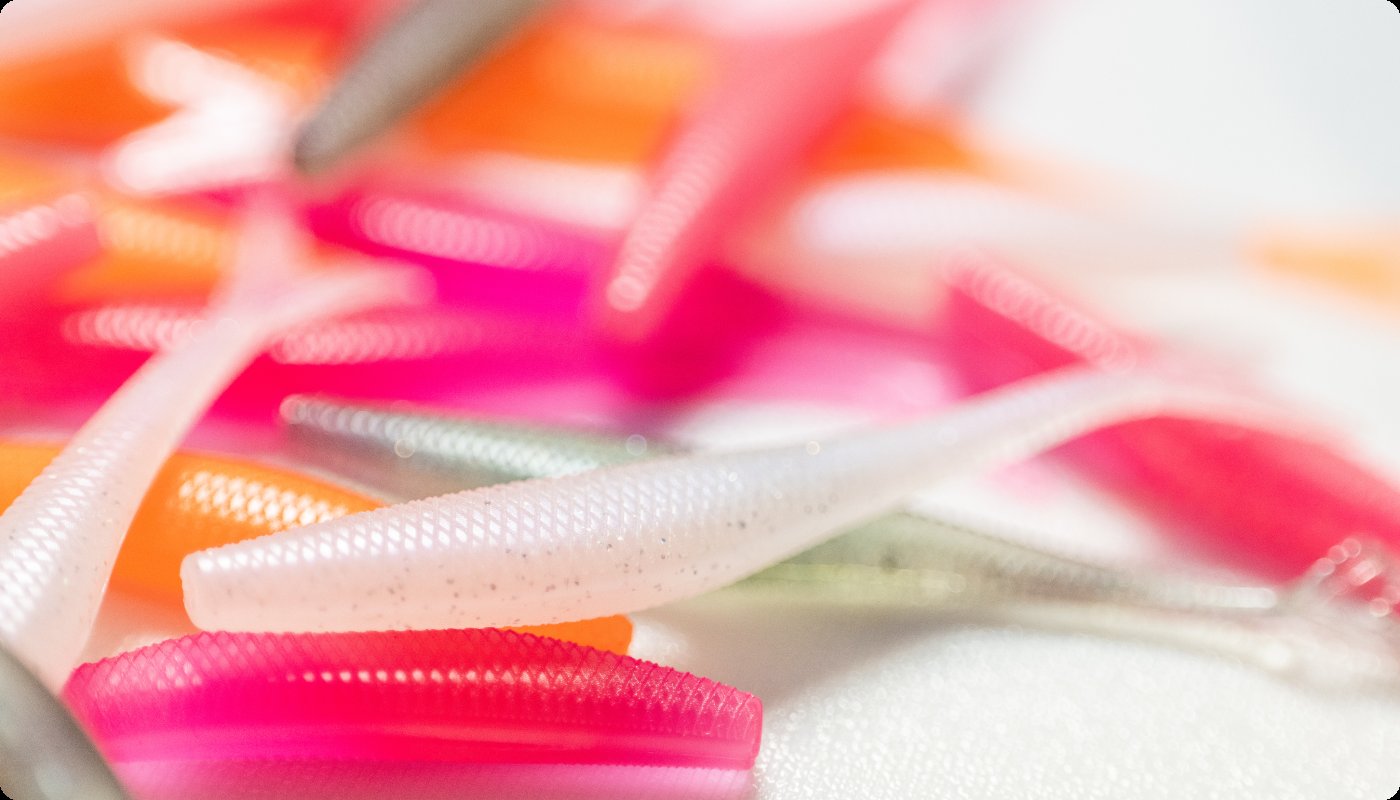
Just a few, sorted by speed. For fast, carry a Trigger Spoon and a Speed Spoon. For slow and subtle, a Trix Worm and a Trigger Bugger on an action disc. Spoons run fast and clean, while flies and plastics run slow. Do not mix them.
How deep should I troll for trout?
Run your lure just above the fish, because trout look up to feed. When surface water is 65 to 66 degrees or colder, expect rainbows right under the top, especially early, late, and when there is wind chop. A common productive depth is 10 to 12 feet, easily reached by counting out colors of lead core.
What leader should a beginner use for trout?
Always a fluorocarbon leader. Cal never drops below 8 pound test and rarely goes above 10 unless he is targeting really big fish. Your main line matters far less. It can be braid or mono. Do not overthink 8 versus 10 pound. Focus on presentation, speed, and depth instead.
Do I need a dodger or flasher to start trolling?
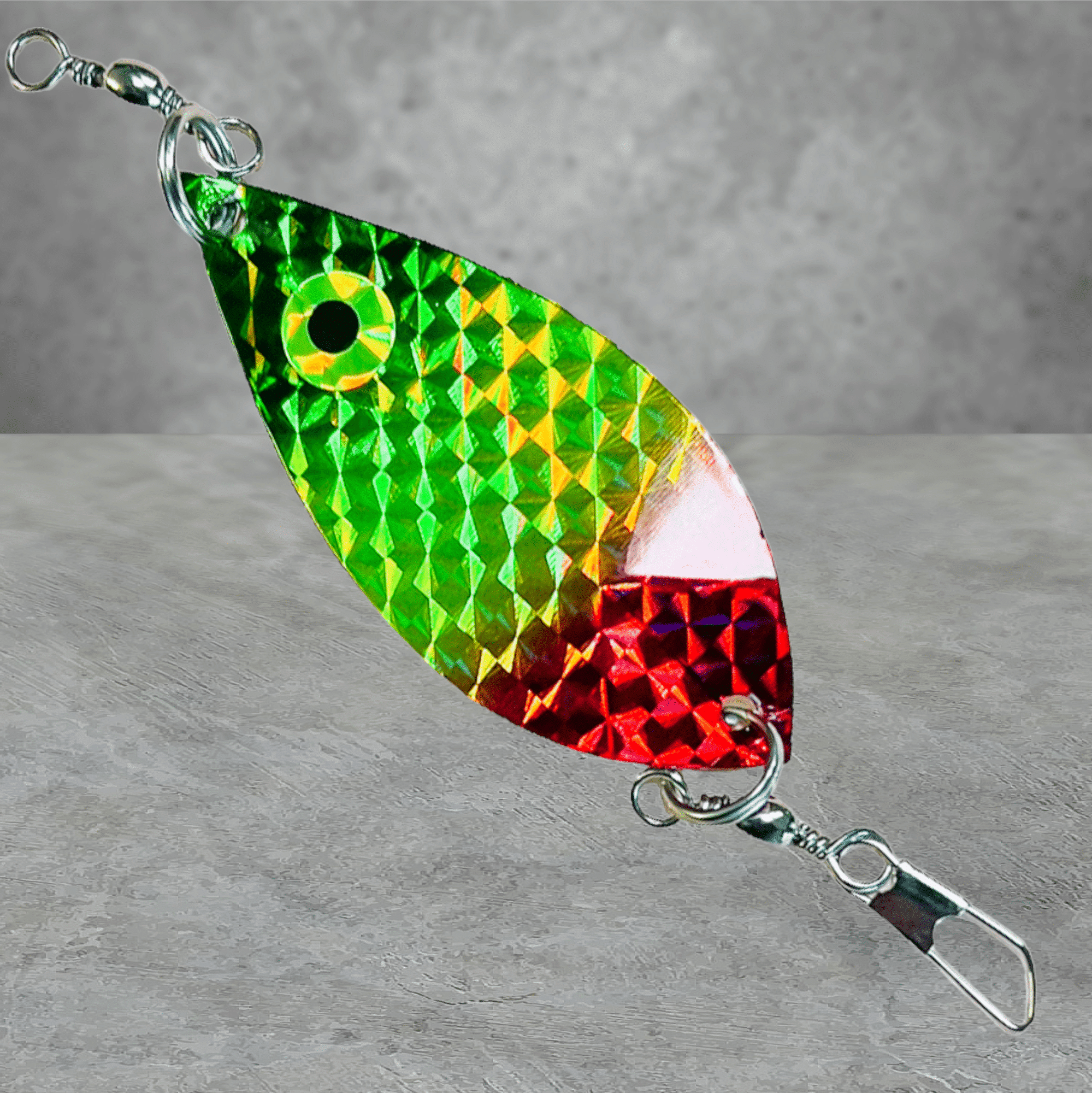
No. Cal's first choice every time is a naked lure with no attractor, and many days he never adds one. Start clean, then step up only if you need to. A mini willow dodger or a low-drag Turbo Flasher draws fish in when they are not fired up. Less is more.
How do I find and stay on trout while trolling?
Cover water first. Cal starts big, bold, and fast to search, watching his sonar and his rods. Once you find fish, do not be the angler who catches one and keeps trolling away. Work that point or narrows until the trout give you a reason to leave. The whole goal is finding fish, so stay on them.
How do I dial in a trout pattern?
Make small incremental changes and read the results. If two fish come on one worm color, put out a second rod with that color, then a third. Change one thing at a time, color, size, depth, or speed. Cal will drop a lure one more color of lead core or 5 feet and turn a slow bite into a fast one.
Watch the technique
Trout trolling for beginners FAQ
Cal usually starts big, bold, and fast with spoons to cover water and find aggressive fish. If the wind lays down, the sun climbs, and the bite dies, he responds by downsizing and slowing down to a smaller spoon or a soft plastic. Let the conditions set your speed.
Enough to experiment, but not all rigged the same. The whole point of multiple rods is to dial in the bite, so run different colors, sizes, or depths rather than six identical setups. A pro bass angler keeps five or six varied baits ready, and trout trolling works the same way.
Match the forage. On a bug lake, start with bright colors. On a pond smelt lake, start with silver and gold baitfish patterns. If you do not know what they eat, run one bright lure and one baitfish pattern and let the trout tell you which they prefer.
Trout feed upward, so a bait above their heads is easy for them to see and attack. Even fish holding at 5 or 6 feet will rise to a lure running 2 feet down. Keep your offering in that upper window, especially when there is surface chop giving the fish confidence.
No. Spoons have their own action and run fast and clean, so keep them off a dodger. Dodgers and flashers are for adding action and flash to baits that have none, like a worm or a hoochie, or for pulling fish in on big, deep lakes. Match the tool to the job.
Approaching every lake as trout fishing, not lake-specific fishing. Cal focuses on eliciting a predatory response, reading temperature and conditions, covering water, and building a pattern. That mindset lets him catch trout anywhere, from Northern California to Australia or Germany.
Change presentation. When the water goes glassy and the sun gets high, trout get shy. Downsize and slow down to subtle finesse baits to keep generating strikes. If wind and chop return later, go right back to the fast stuff, because aggressive fish will eat it again.