
Bank & Shore Fishing for Trout
A complete guide to bank fishing for trout, covering slip bobbers, bottom rigs, lures, and scent from the Catch America pro staff.
You can catch plenty of trout from the bank by reading conditions and carrying a few rigs. In cold water, fish a sunny, gradually sloping shallow flat where trout move in to feed. Soak garlic PowerBait on a sliding-sinker Carolina rig, or drift a nightcrawler under a slip bobber set 3 to 4 feet deep to reach fish holding near the surface offshore. Add Trigger Scent in cold water. On stocked lakes, be there the day they plant or the day after.
How do you catch trout from the bank?
Read the conditions and pick your spot. In cold water, trout hold near the bank and get lethargic, so Cal Kellogg fishes a sunny, gently sloping shallow flat where fish move in to feed as the sun warms it. Carry a backpack with two or three rods rigged differently, watch for surface activity, and stay mobile so you can work several points.
What are the best bank fishing rigs for trout?
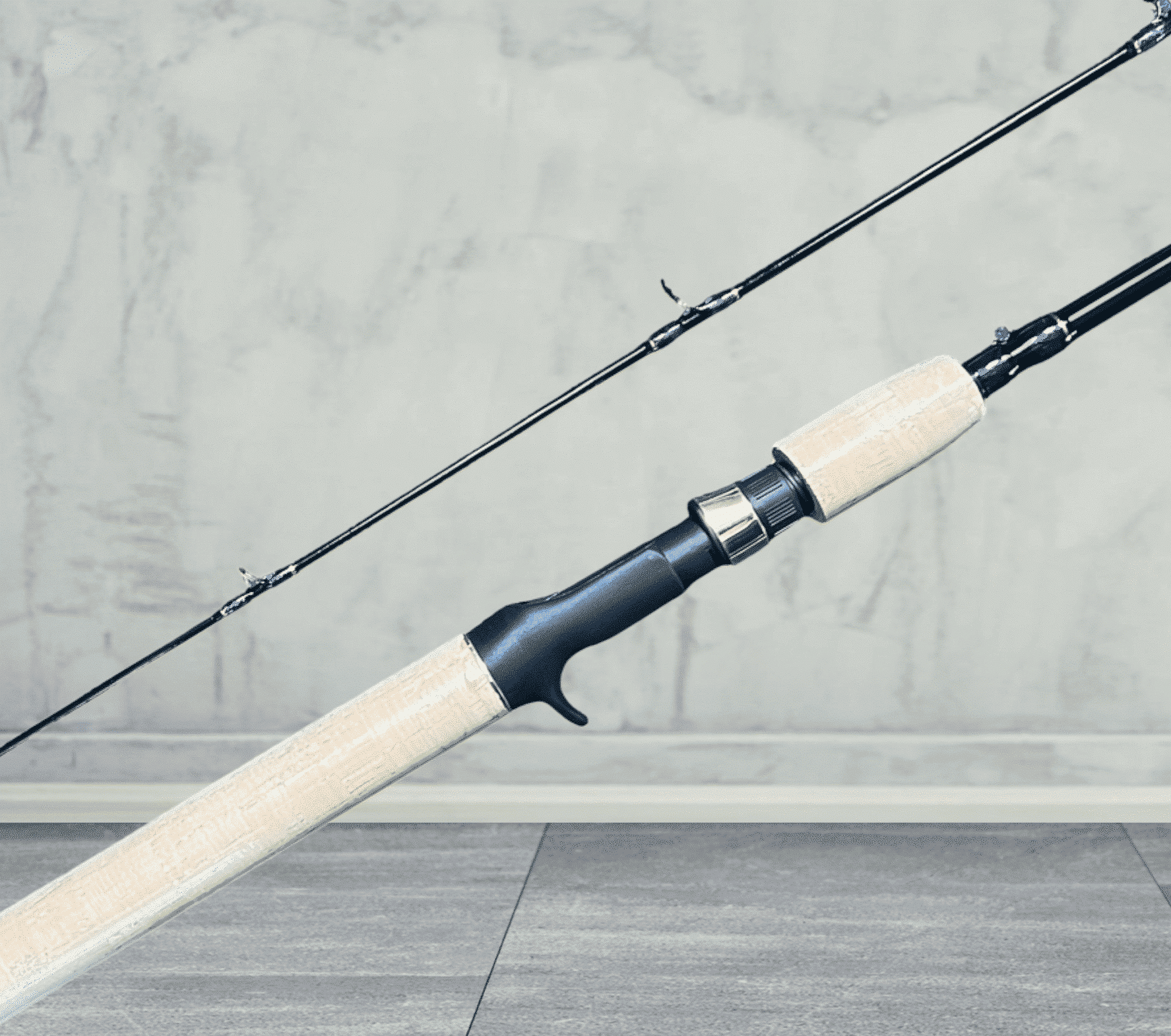
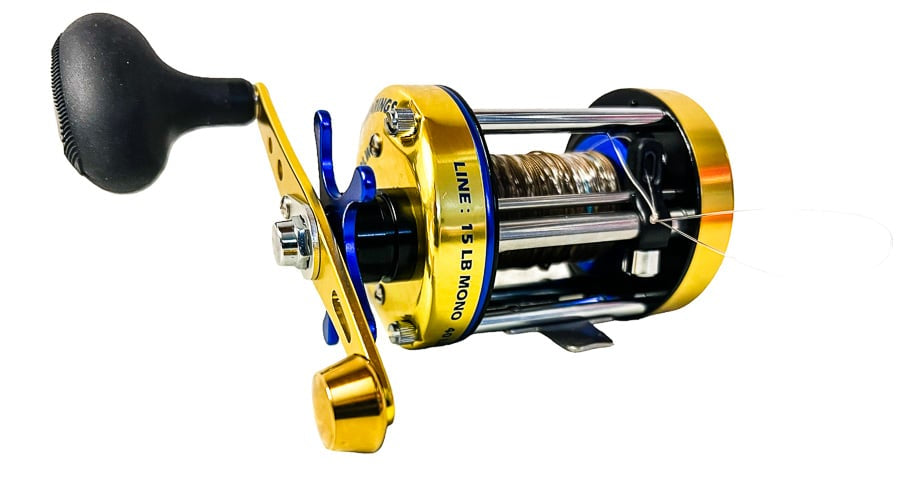
Cal Kellogg carries four. A Carolina-style bottom rig for bait, a slip bobber for suspending bait at a set depth, a casting rod for spoons, spinners, plugs, or soft plastics, and a clear casting bubble for launching flies far offshore. Rig two or three rods differently, then let the trout tell you which one they want.
How do you set up a Carolina bottom rig for trout?
Run your main line through a sliding bullet weight, add a couple of beads and a snap swivel, then an 8 pound fluorocarbon leader to a small octopus hook. Bait with garlic PowerBait, an inflated nightcrawler, or a floating Gulp crawler. Vary the leader length to lift the bait off the bottom and change the weight to control casting distance.
How do you fish a slip bobber for trout?
Thread a bobber stop, a bead, the slip bobber, and a split shot, then tip a light-wire hook or a short fluorocarbon leader. Slide the bobber stop to set your depth, often 3 to 4 feet in cold water. Make a soft lobbing cast, do not reel into the slack, and let it drift to cover ground. When the bobber goes under, reel until tight and set.
Why is a slip bobber good for bank anglers?
It lets you fish near-surface water far offshore. In cold weather trout hold up high, but a standard bottom rig cast 30 or 40 feet out sits 20 to 30 feet deep, well below them. A slip bobber suspends your bait at a set 3 to 4 feet while you cast well out, keeping it right in the fish's zone. You can even fish 10 to 12 feet deep on a short cast.
What lures work from the bank for trout?
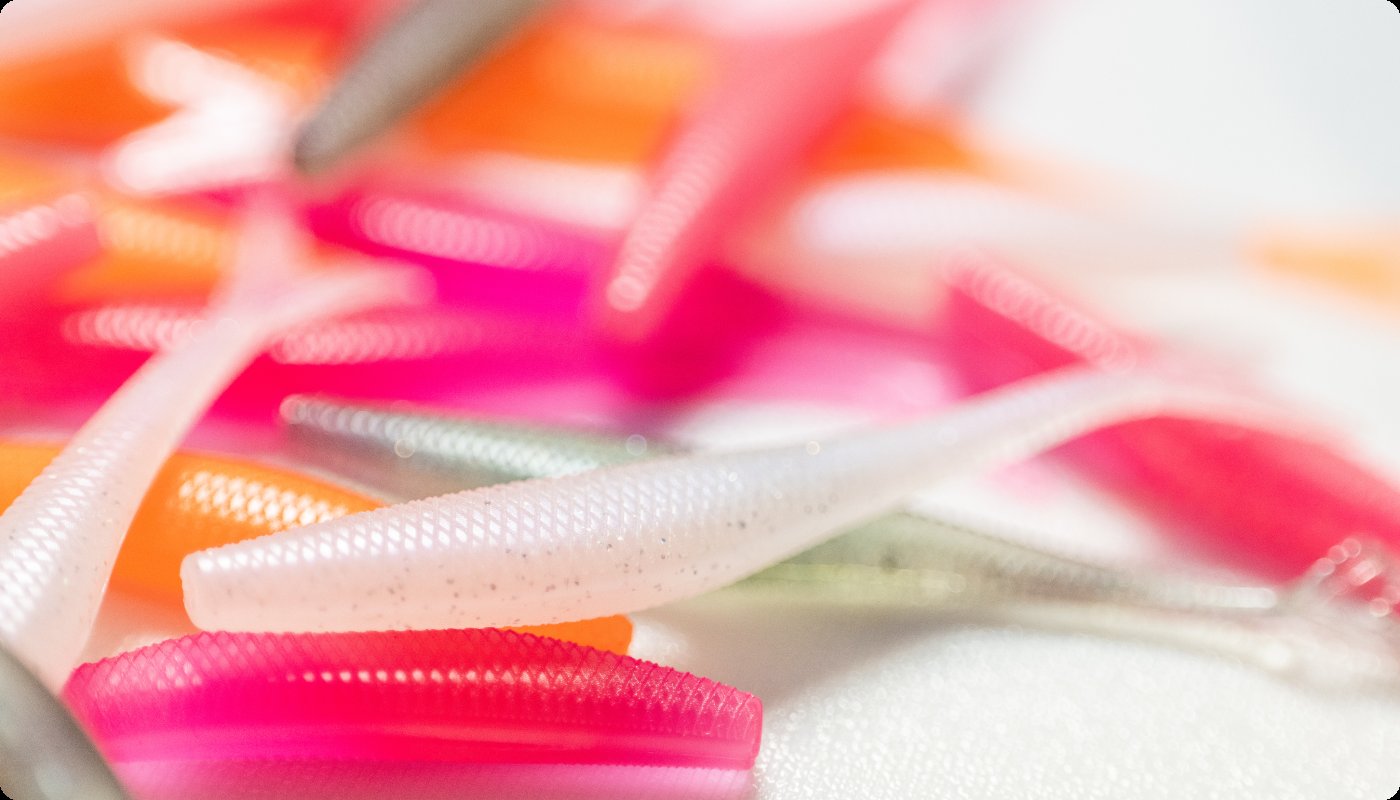
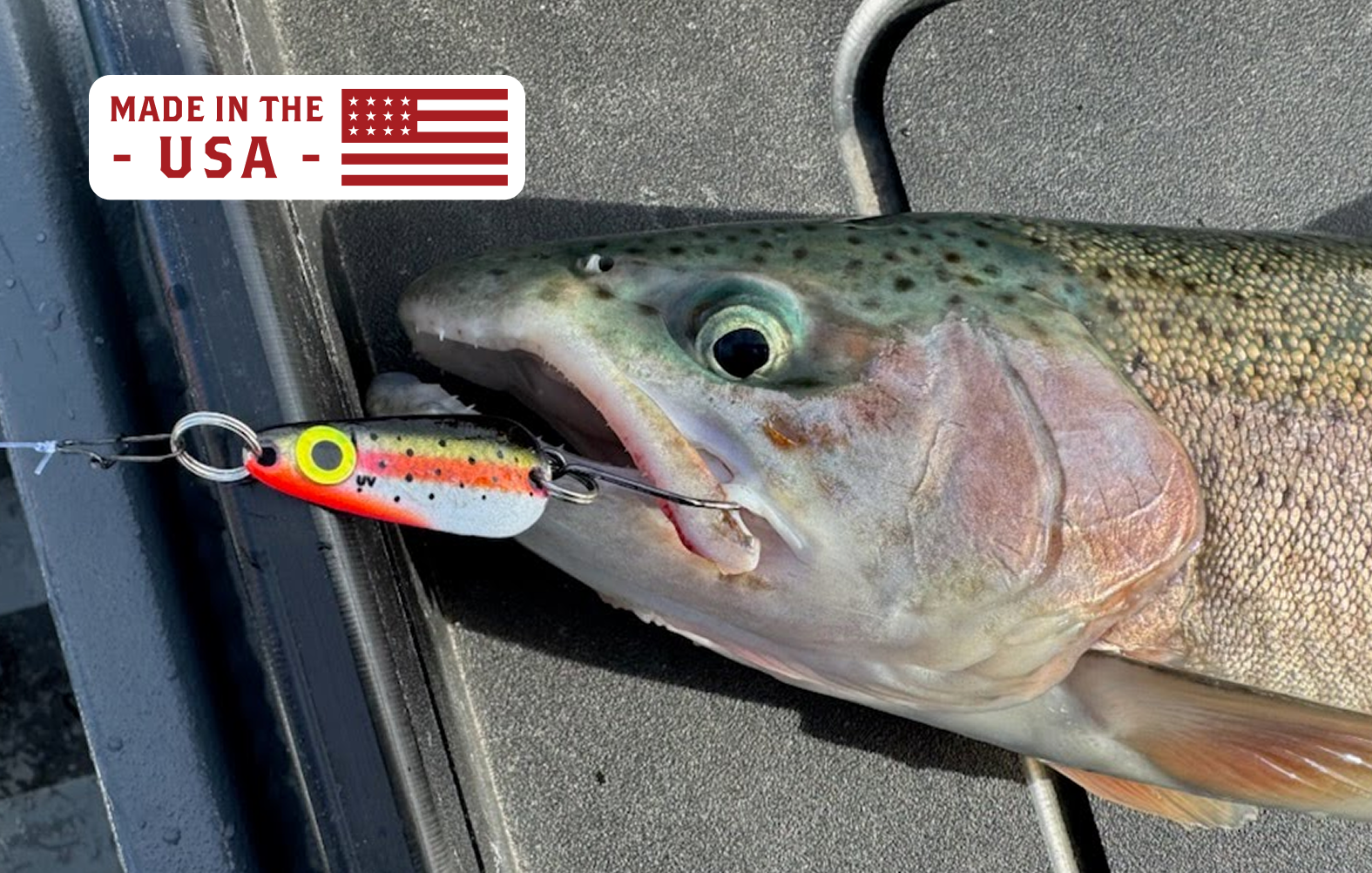
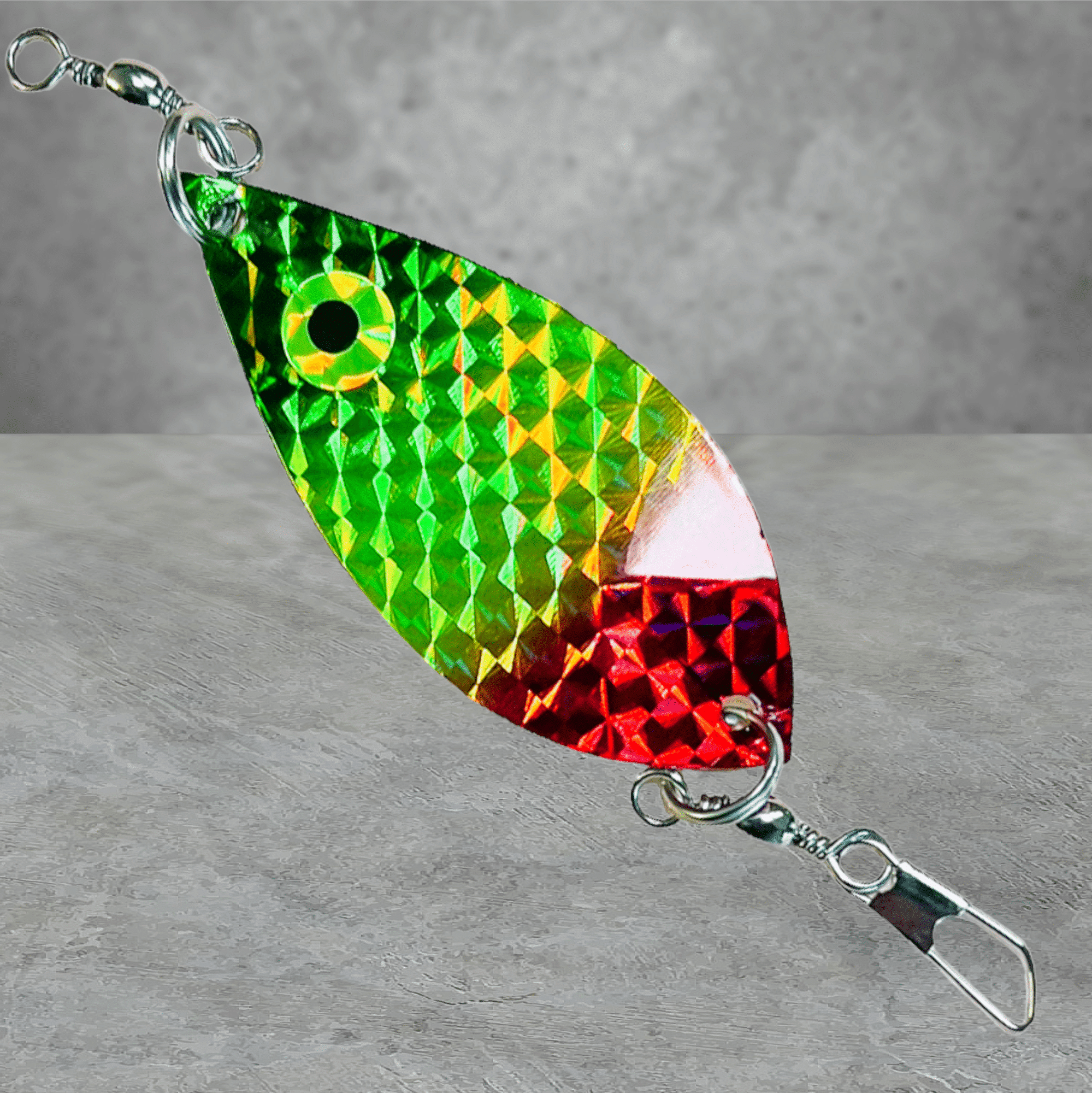
Fan-cast spoons like the Pinhead, Speed Spoon, and Trigger Junior, plus spinners, plugs, and soft plastics on a weight. To throw flies like a Trigger Bugger a long way out, rig a clear casting bubble filled with water or split shot. That fly-and-bubble trick catches fish when nothing else will.
What scent should you use bank fishing in cold water?
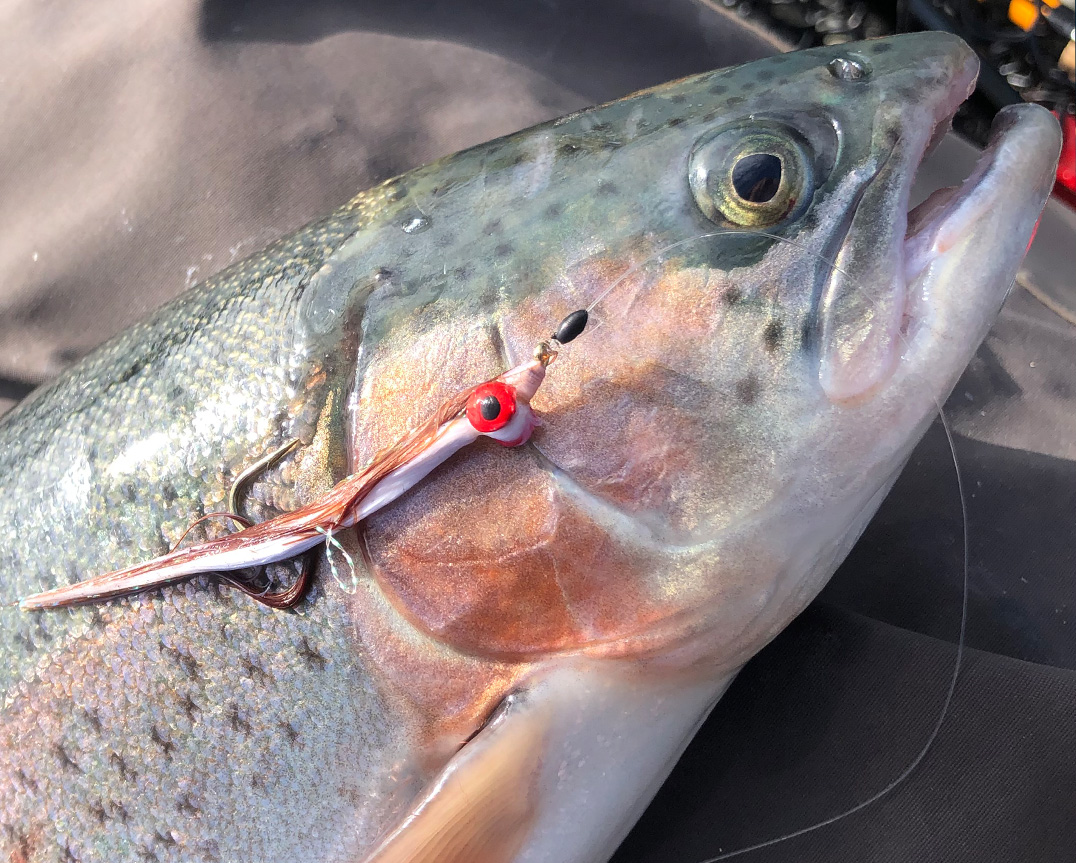
Cold water calls for scent. Cal Kellogg fishes garlic-scented PowerBait spiked with Power Powder, and adds Trigger Scent gel, which carries anise, baitfish, and crawfish scent, to plastics, spoons, spinners, and even bait. Big Nate soaks stocked-lake baits in Chrome Killer scent for the same reason.
How do you bank fish a freshly stocked lake?
Be there the day they plant or the day after, because warming water pushes fresh trout out of the launch coves fast, sometimes within a day or two. Move as close to the main body as you can and cast deeper as the water warms. Big Nate runs long 3 to 4 foot leaders with PowerBait, crappie jigs, or power eggs.
Watch the technique
Bank fishing for trout FAQ
On a sunny, gradually sloping shallow flat. Cal Kellogg picks a point in full sun where he can see the bottom falling away, because cold, lethargic trout move onto warming shallows to feed. Deeper water off a point is better in summer, but in winter the sunlit flat is the spot.
Almost anything. Nightcrawlers, red worms, meal worms, crickets, salmon eggs, Gulp floating crawlers, and mice tails all drift well under a slip bobber. Nightcrawlers are a top choice. PowerBait works but wants to float, so add a little split shot to hold it down.
Not much, and that is a plus since you carry it on your back. Cal Kellogg packs a compartment box of spoons, spinners, a few plugs, flies, soft plastics, hooks, weights, swivels, and scent, plus leader material and pliers. Keep it light so you can move between spots.
Yes. Cal Kellogg landed an 18 inch rainbow bank fishing a cold January morning at Lake Davis on a Gulp crawler dosed with Trigger Scent. Reports from the Eastern Sierra and foothill lakes regularly show shore anglers taking very nice fish, sometimes up to about 10 pounds.
Let your rig drift and keep moving. Under a slip bobber, open the bail and let the wind carry it across a cove to search new water. With lures, fan-cast to sweep the area in front of you. And be willing to hike to fresh points rather than sitting on one spot all day.
Give it slack, then come tight. When a trout takes a bait rig or a slip bobber, let the fish run and eat for a moment, open or free the bail so it feels no resistance, then close it and let the line come tight before you gently work it in. Small light-wire hooks bury on their own.
No. Fresh plants leave the warm launch coves within a day or two as the water heats up. Your best shore odds are right after a stock, fishing close to the plant site, then moving toward the main body and casting deeper as those fish spread out.
Reel up the slack after you cast a bottom rig, then hang a small bobber on the line between two rod guides. It keeps the wind from bowing your line and doubles as a visual strike indicator. When that bobber starts to dance, get ready to come tight.
Give each spot 30 to 40 minutes. If you get no bites, move about 100 yards and try again. Once you find active fish, work that zone thoroughly and note the depth, structure, and retrieve so you can repeat it at similar spots.
Run shorter leaders in cold water, about 12 to 18 inches, and add scent so lethargic fish commit. In warm water go longer, 24 to 36 inches, and cast deeper. Matching leader length to conditions is a small change that puts more fish on the bank.
Closer than most anglers think. In winter especially, big trout patrol right along the bank, and many will follow a lure to your feet. Make plenty of short casts near shore and work every lure all the way back to the rod tip.