
How to Catch Trout in a Tough / Lockjaw Bite
How to catch trout when they are not biting: downsize, slow down, and run subtle finesse baits to trigger a tough lockjaw bite.
When trout have lockjaw, slow down and downsize. Cal Kellogg swaps aggressive spoons and plugs for a subtle, narrow bait run clean with no dodger. Troll a small soft plastic like the Trix Worm on a Trigger Disc around 1.5 to 1.8 mph, right above the level the fish are holding. If they still just peck at it, grab the line and pump it two to four times to make the bait accelerate and trigger a real strike. On pressured lakes, go smaller and quieter than everyone else on the water.
How do you catch trout when they are not biting?
Slow down, downsize, and go subtle. Cal Kellogg's theme for pressured lockjaw trout is to ditch big, fast, aggressive baits and show fish something small and non-threatening. Pull a narrow finesse bait run clean with no dodger or flasher, keep it just above the level the trout are holding, and troll it slow so it stays in the strike zone.
What lures work for lockjaw trout?
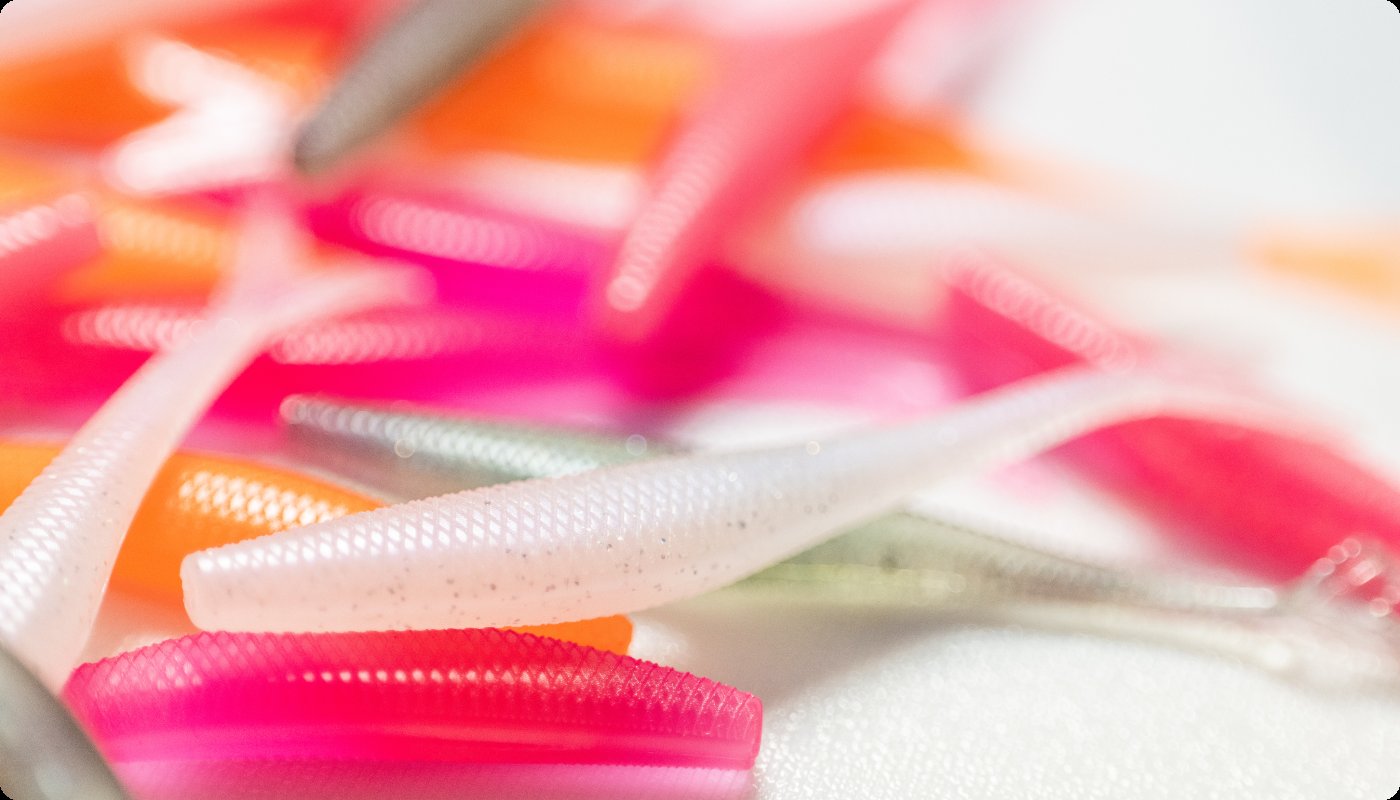
Small, narrow, subtle baits. Cal's top picks are a soft plastic like the Trix Worm or Trix Minnow, a junior trolling fly like the Metal Head Fly, a small woolly bugger in pink, yellow, or white, and a downsized spoon like the Junior Trigger Spoon. Long and skinny beats big and round.
Why does downsizing catch pressured trout?
It looks non-threatening. A large round bait can intimidate a trout on instinct because it looks like something that could lodge in its throat. A long, skinny, subtle offering reads as an easy snack the fish can swallow, so pressured trout commit to it. Run it above the fish and let the narrow profile do the work.
How do you troll soft plastics for finicky trout?
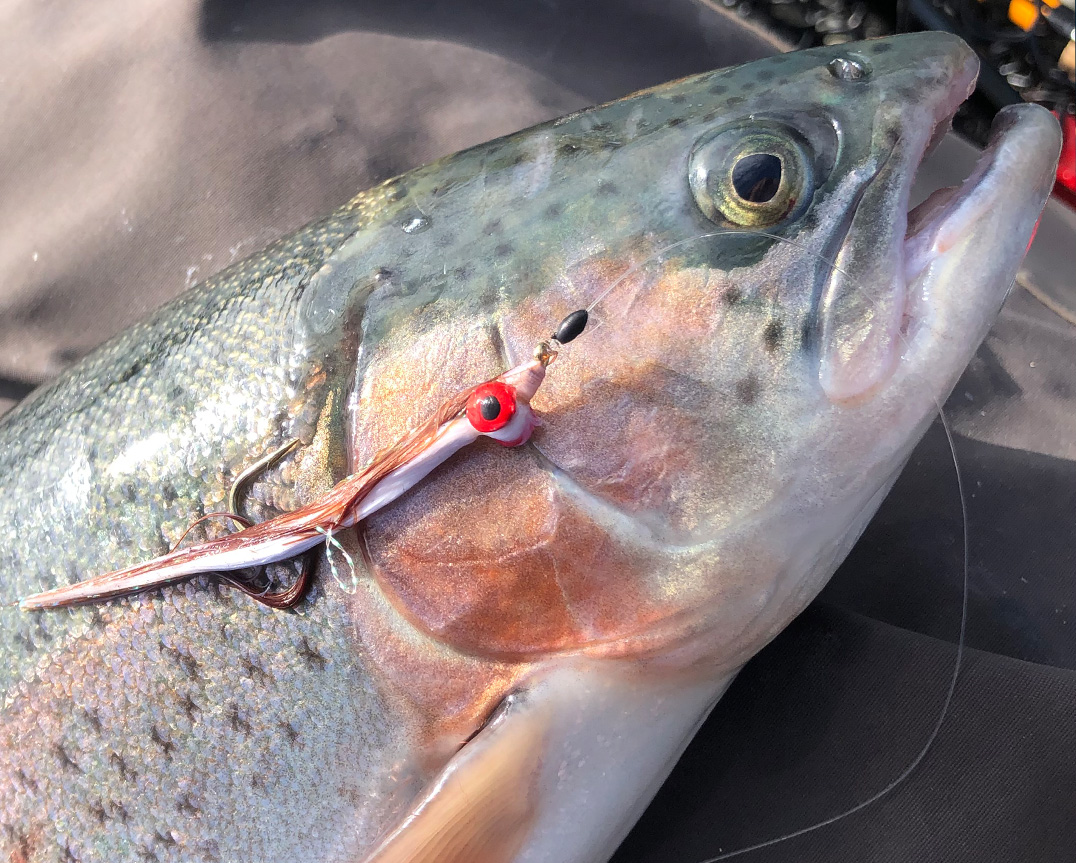
Pull a Trix Worm or Trix Minnow slow on a Trigger Disc so it shudders and stays in the strike zone. Rig the hook near the tail, because tentative fish nip the back of the bait. Add a bobber stop to keep the disc off the nose of the bait for the best action.
Should you run a dodger for a tough bite?
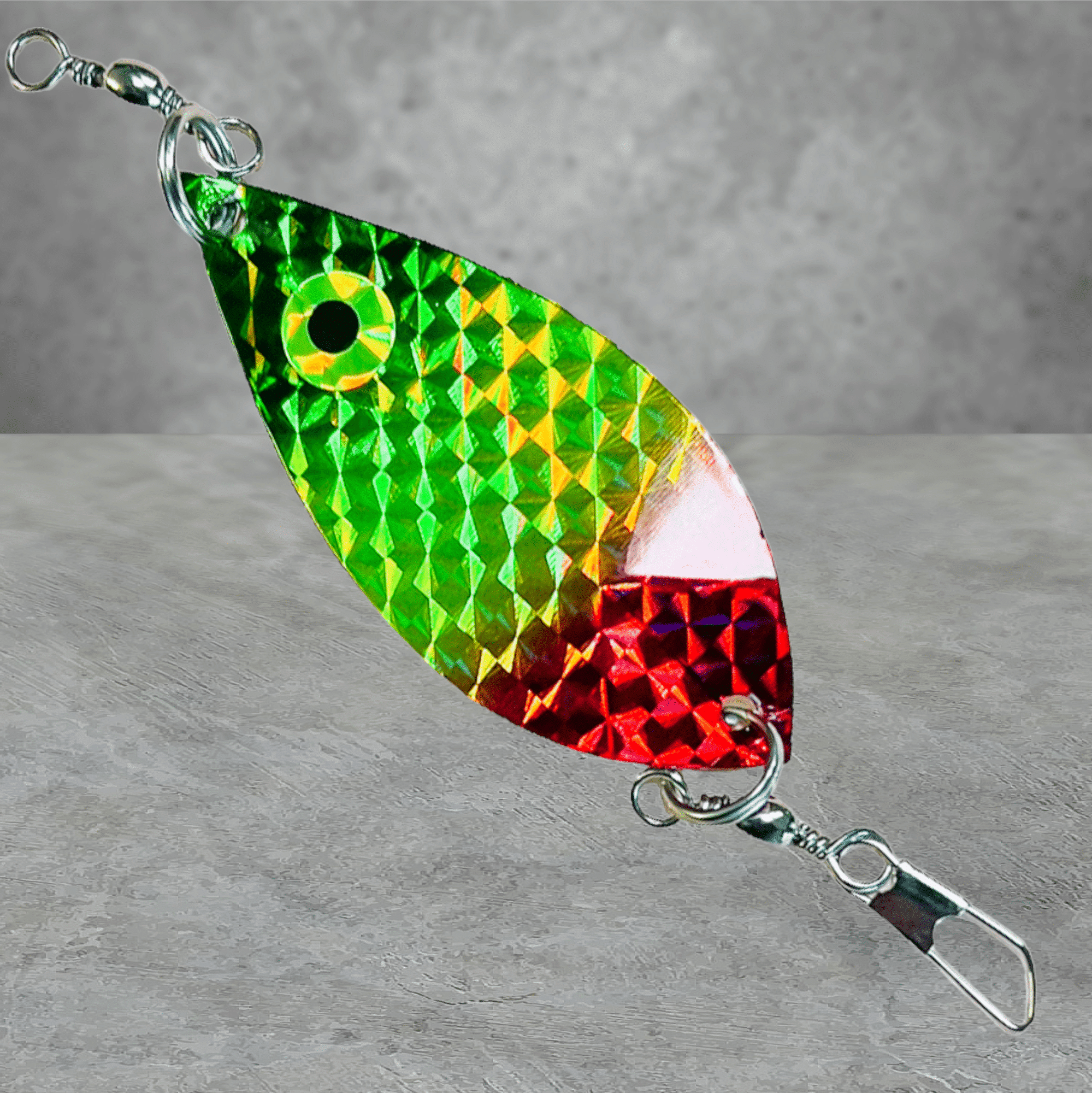
No. For pressured lockjaw trout, get rid of the dodgers and flashers. Cal runs the fly or soft plastic clean on an action disc with no blades or attractors, then keeps it just above the level the fish are feeding at. The subtle, quiet presentation draws strikes that a big flashing setup would spook.
What do you do when trout peck at the bait but will not commit?
Grab the line and pump it. When you see a trout tentatively peck at your bait, be quick, take hold of the line, and give it two to four short pumps. That accelerates the minnow and very often turns a nipper into a solid hookup. Do not twang it like a guitar string, just pump it.
How do you land tentative trout without losing them?
Work the reel smoothly and stay gentle on the tackle. When fish are barely hooked, do not jerk the rod, make wild movements, or try to set the hook. Reel steadily, lay the fish out on the surface, and work with the person on the net. Put a stinger hook near the tail of your fly to catch short-striking fish.
What spoon works for finicky pressured trout?
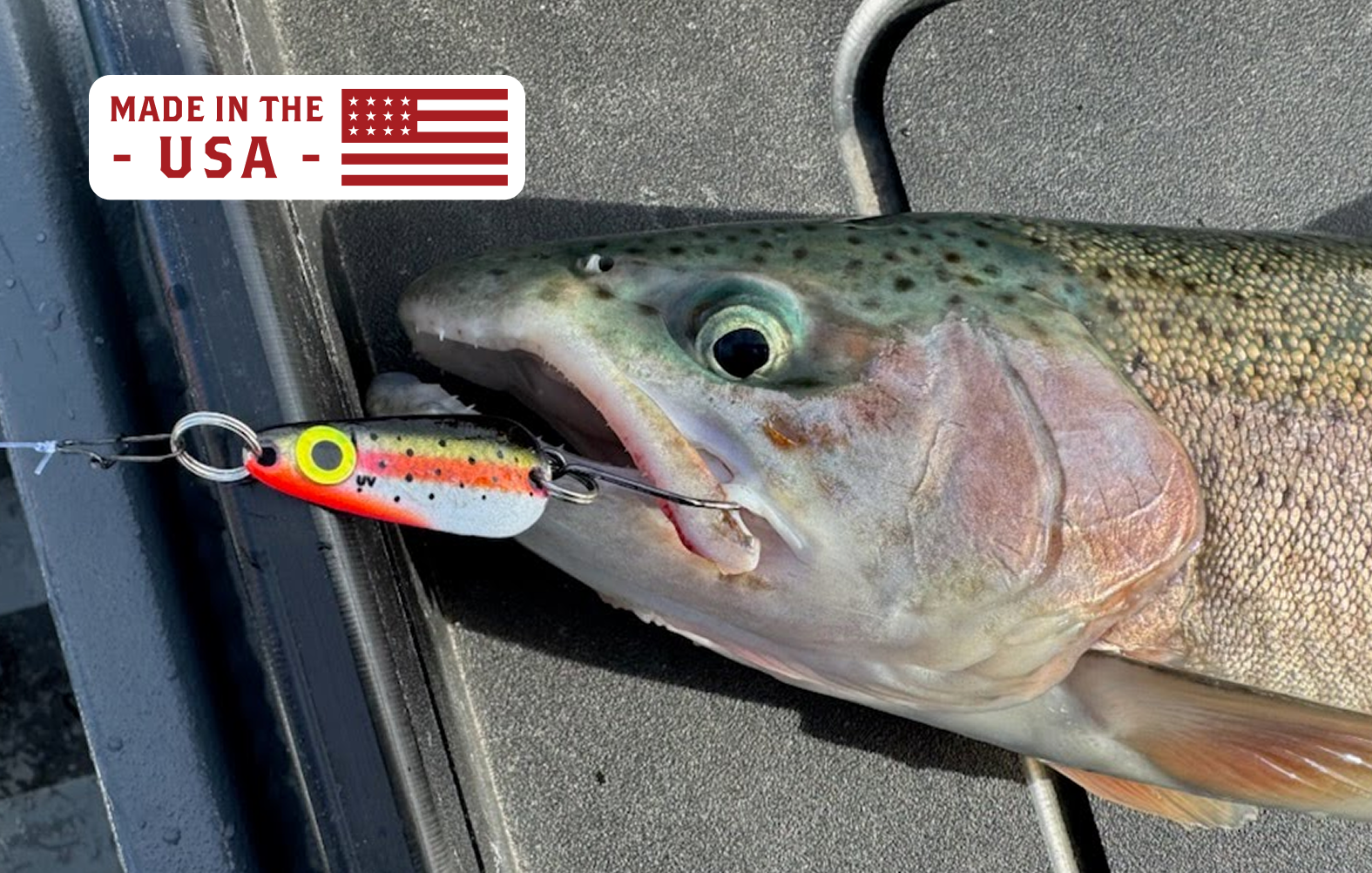
A small, compact spoon like the copper Pinhead fished fast and clean. Cal top-lines it 175 to 200 feet behind the boat with no weight, an 8 pound fluorocarbon leader, and about 1 to 2 mph. Spoons power troll, so run it clean with no dodger and let the tiny profile trigger reaction strikes.
Watch the technique
Tough bite trout fishing FAQ
Slow for finesse baits. Cal runs junior trolling flies and soft plastics around 1.5 to 1.8 mph so they stay subtle and in the strike zone. A small compact spoon like the Pinhead can go a touch faster, around 1 to 2 mph, top-lined with no weight.
Yes. The Trix worms and minnows are soft and hold scent well, which is part of why they catch tentative fish. Their narrow profile lets you rig the hook near the tail so nipping trout get the point instead of just pulling on plastic.
Cal leans on bubblegum pink Trix worms and small woolly buggers in pink, yellow, or white for tough days. For a downsized spoon, a copper Pinhead has produced pressured rainbows. Match the small baitfish, like immature shad, that the trout are keying on.
Above them. Run your fly or soft plastic right above the level the trout are holding, whether that means top-lining with a small weight or getting down on a downrigger when the fish are deep. Trout look up to feed, so keep the bait in their upward window.
Because tentative trout nip the back of the bait. On a soft plastic or fly, keeping the hook or a stinger near the tail means those short strikers still get hooked. It is the single biggest reason Cal converts nippers into landed fish on tough days.
Yes. You can add a Trix worm or minnow to a spread that also has faster spoons, and even double or triple up. Use a bobber stop to keep the action disc off the nose of the bait so it swims right, then let the finesse bait cover the fish that ignore the fast stuff.
Yes. Trout are predators with a lateral line full of nerve tissue, and water carries vibration well. They feel a small spoon or wiggling soft plastic from a distance and come to investigate. A tiny, non-threatening bait reads as an easy meal, so they close the gap and eat.
Following the leader. If everyone on the lake is pulling the same quarter-ounce spoon or the same plug, that is the last thing you want on your line. Get outside the box, go smaller and more subtle than the crowd, and slow it down. That is how you catch fish when no one else can.
That is selective feeding, and it is its own kind of lockjaw. When trout key on one hatching bug they ignore almost everything else. Downsize hard and try to match the bug. Slow to a crawl around 0.5 to 0.8 mph with micro jigs, tiny soft plastics, or a 1 inch spoon, and fish the edges of the hatch zone where fish are less locked in. Often the best bite comes right after the hatch ends and the trout switch back to aggressive feeding.
Rainbows are the worst offenders and can be very hard to trick once they lock on. Browns are more forgiving and will still hit standard offerings during a hatch, and brook and cutthroat trout fall somewhere in between.
Selective feeding is the opposite of competitive feeding. When trout compete for food they hit anything that moves. When they feed selectively there is food everywhere, so they get picky and refuse most baits. Knowing which one you face tells you whether to grind finesse baits or simply cover more water.