
How to Rig & Troll Flies and Woolly Buggers for Trout
How to troll flies for trout: rig a Metal Head or Trigger Bugger on a wiggle disc, choose colors, set leader length behind a dodger, and fish any depth.
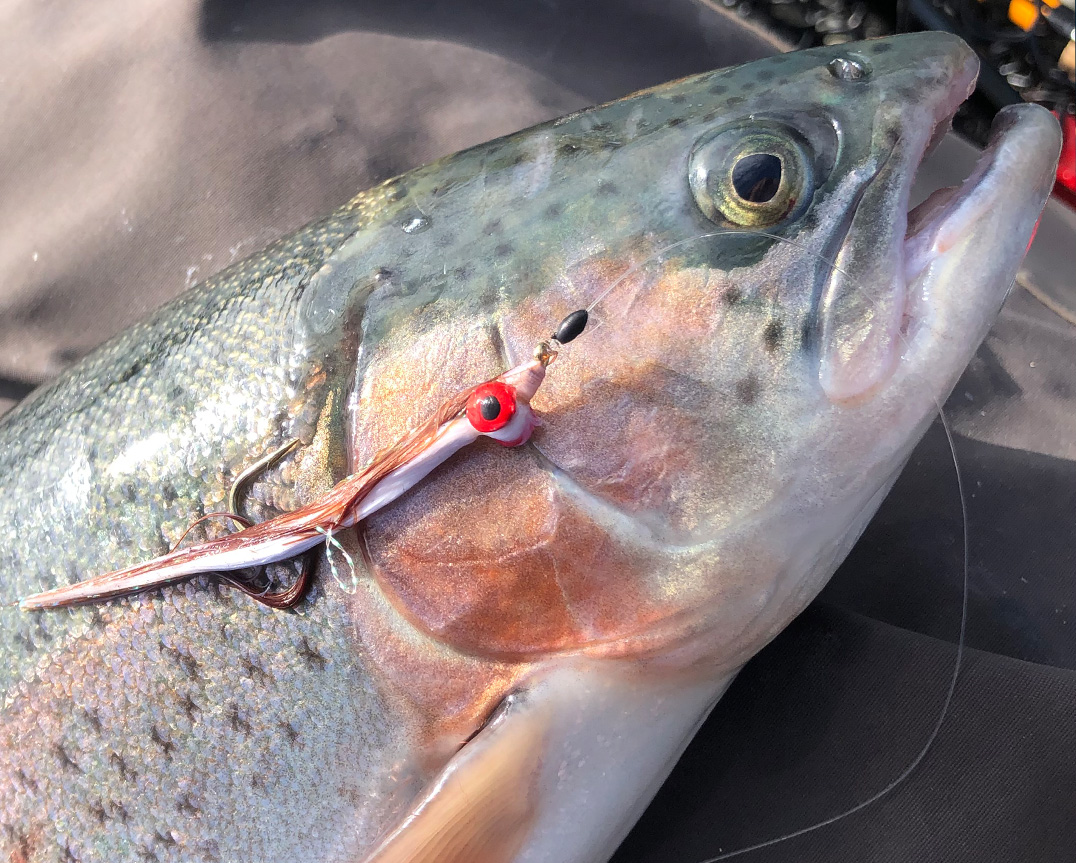
Rig a trolling fly on a 40 to 42 inch, 10 lb fluorocarbon leader tied with a palomar knot, then slide a wiggle disc so it rides right on the nose of the fly. Troll it slow, 1.5 to 3.5 mph, with 1.8 to 2.4 mph most common. A Metal Head Fly on a Trigger Disc catches Cal's biggest trout, while a compact Trigger Bugger is a subtler option. Fish flies from 2 feet down to over 100 feet on a downrigger or leadcore.
How do you rig a trolling fly?
Cut 40 to 42 inches of 10 lb fluorocarbon and tie the fly on with a palomar knot. Before anything else, slide a wiggle disc onto the leader with the stem toward the fly so it rides right on the nose. Add a surgeon's loop or a small swivel at the top. This naked rig gives the fly rotation and vibration and fishes at any depth.
What pound test leader for trolling flies?
Ten pound fluorocarbon gives the best mix of action and strength for big trout. Eight pound is the lightest Cal will go, and six produces great action but is too light for trophy fish. Do not climb to 12 or 15 lb, since the stiffer line kills the fly's action. Fluorocarbon stays nearly invisible in the water.
How do you rig a trolling fly behind a dodger?
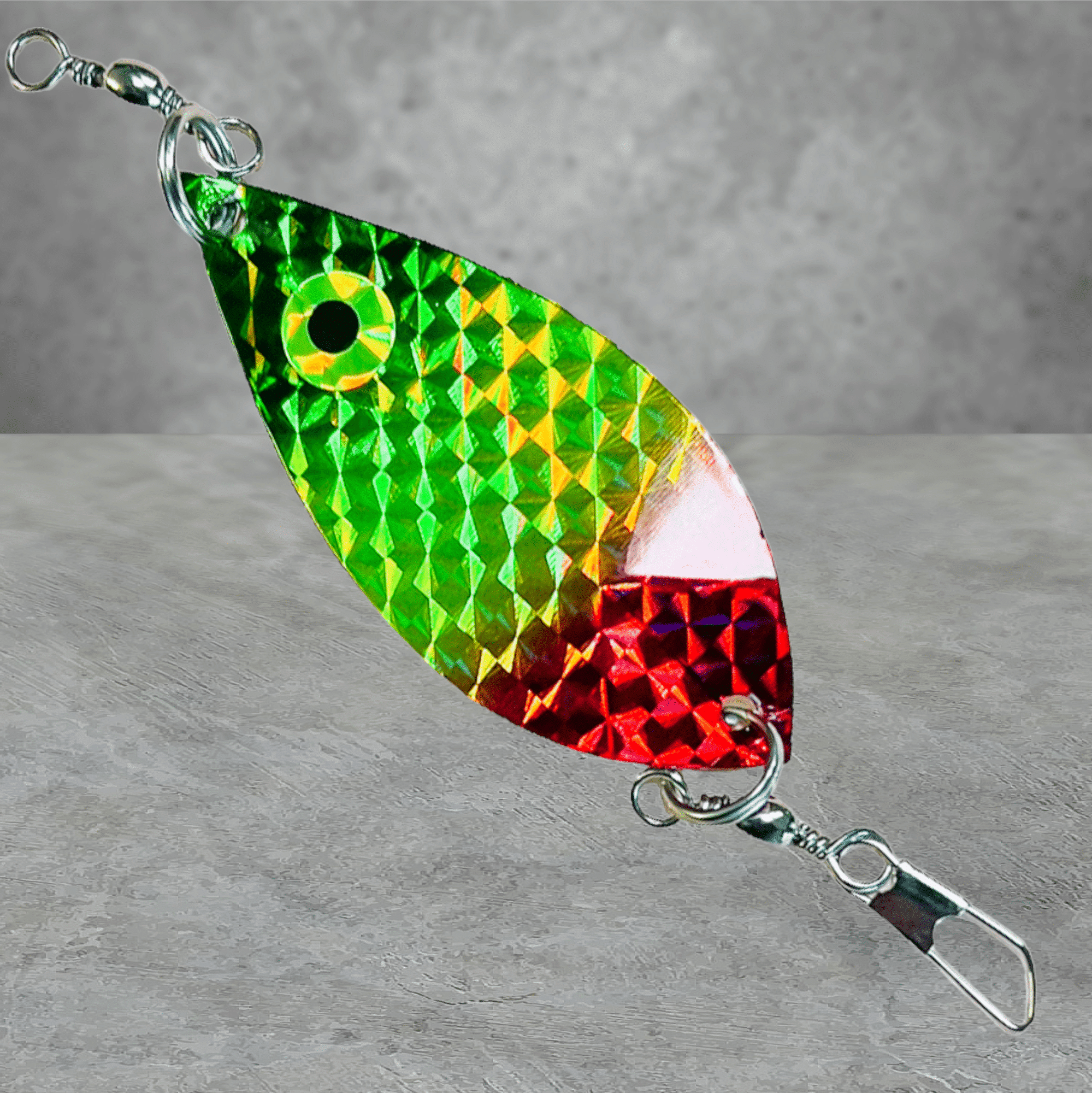
Use the same fly on 8 to 10 lb fluorocarbon, but lose the action disc, since it puts too much drag on the blade. Run the fly two to three dodger lengths back, about a 12 to 14 inch leader behind a 6 inch dodger. Fish it deep on a downrigger or leadcore and troll slow, near 1.8 to 2 mph, letting the blade impart a hesitation-and-dart action.
How do you troll woolly buggers for trout?
Rig a Trigger Bugger on a 10 lb fluorocarbon leader with an action disc and a couple of bobber stops for a little spacing. It is more compact and subtler than a Metal Head. Cal fishes it on a downrigger 25 to 30 feet down and varies speed from 1.2 up to 3 mph. Every color fishes: black, purple, pink, olive, brown, and white.
What color trolling fly should I use?
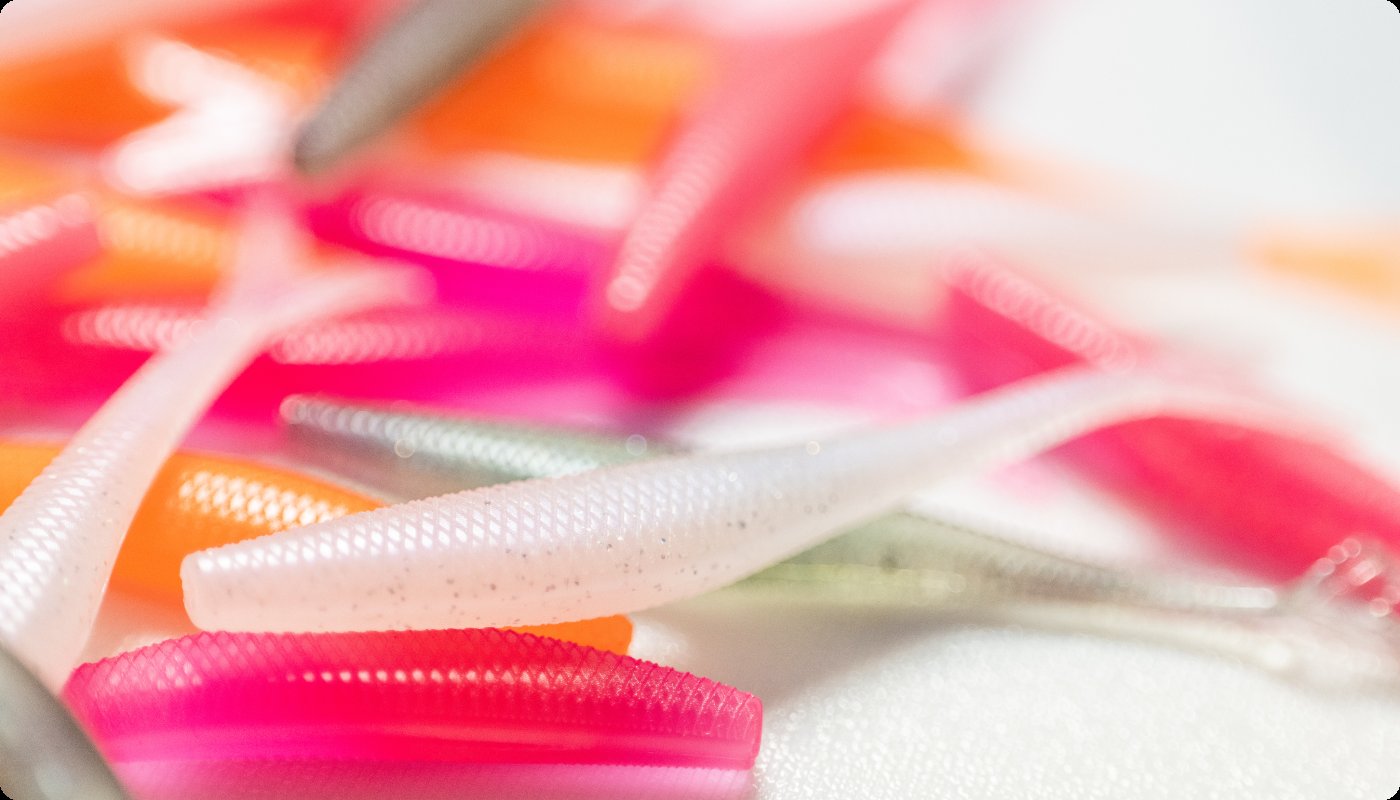
Match the forage. On baitfish lakes like Shasta and Folsom, where trout eat pond smelt and threadfin shad, start with whites and blues. On bug-eating lakes and in the High Sierra, or for freshly planted fish at Collins Lake, break out the bright colors. Orange flies have been hot at Lake Davis. When unsure, run one baitfish pattern and one bright and let the fish choose.
How deep and how fast should I troll flies?
Flies fish at any depth. Cal has caught trout 2 feet under the surface at Davis and as deep as 101 feet at Shasta on the same fly. Top line with a small trolling weight, run a downrigger, or use leadcore or a diver to reach the fish. On the naked disc rig, troll 1.5 to 3.5 mph, with 1.8 to 2.4 mph the most common range.
How do you store and pre-rig trolling flies?
Pre-rig flies on 42 inch leaders so you can switch colors fast on the water. Store them wrapped on flat foam leader holders with slots cut about an inch apart. Round kokanee-style holders tend to kink a long leader, so a flat foam pad keeps the fluorocarbon straight and tangle-free. Snap on a fresh color and get it back in the water.
What is the Metal Head fly and why is it so effective?
The Metal Head Fly is Cal's number one big-trout fly and rides in his spread about 90 percent of the time. It works on wild, holdover, and freshly planted trout. The vibration and interplay between the head and the wiggle disc imitate a struggling baitfish, and it often takes the single biggest fish of the day.
Watch the technique
Rigging and trolling flies for trout FAQ
Right on the nose of the fly, with no bobber stop between the disc and the hook. That little bit of space decreases the action. On lead-eye flies especially, keeping the disc against the nose gives the fly a unique, tight action that trout key on.
Yes, that is the naked rig and it is Cal's number one fly setup. The action disc rides on the nose and creates rotation and vibration on its own, so you can fish the fly from just under the surface to over 100 feet deep without any dodger or flasher.
A palomar knot. Cal ties his fly leaders in the kitchen and is particular about the knot, cutting and retying if it is not perfect. A clean palomar on 10 lb fluorocarbon holds up to hard-charging trophy trout.
Yes. The woolly bugger has been a proven fly-fishing pattern for decades, and it trolls just as well. The Trigger Bugger is more compact and subtler than a Metal Head, making it a strong choice when trout want a smaller, quieter presentation.
About 40 to 42 inches for the naked action-disc rig. Behind a dodger, shorten it to two to three dodger lengths, roughly 12 to 14 inches behind a 6 inch blade, so the dodger can drive the fly with a hesitation-and-dart action.
They catch all sizes, but they shine on trophy fish. The Metal Head does not always catch the most fish in a day, but it very often catches the biggest. Cal has landed rainbows over 20 inches and 8 pounds trolling flies at lakes like Eagle and Shasta.