
How to Target Trophy Trout with Big Baits
How to catch trophy trout with big baits, including trolling flies and oversized soft plastics that fool pressured fish.
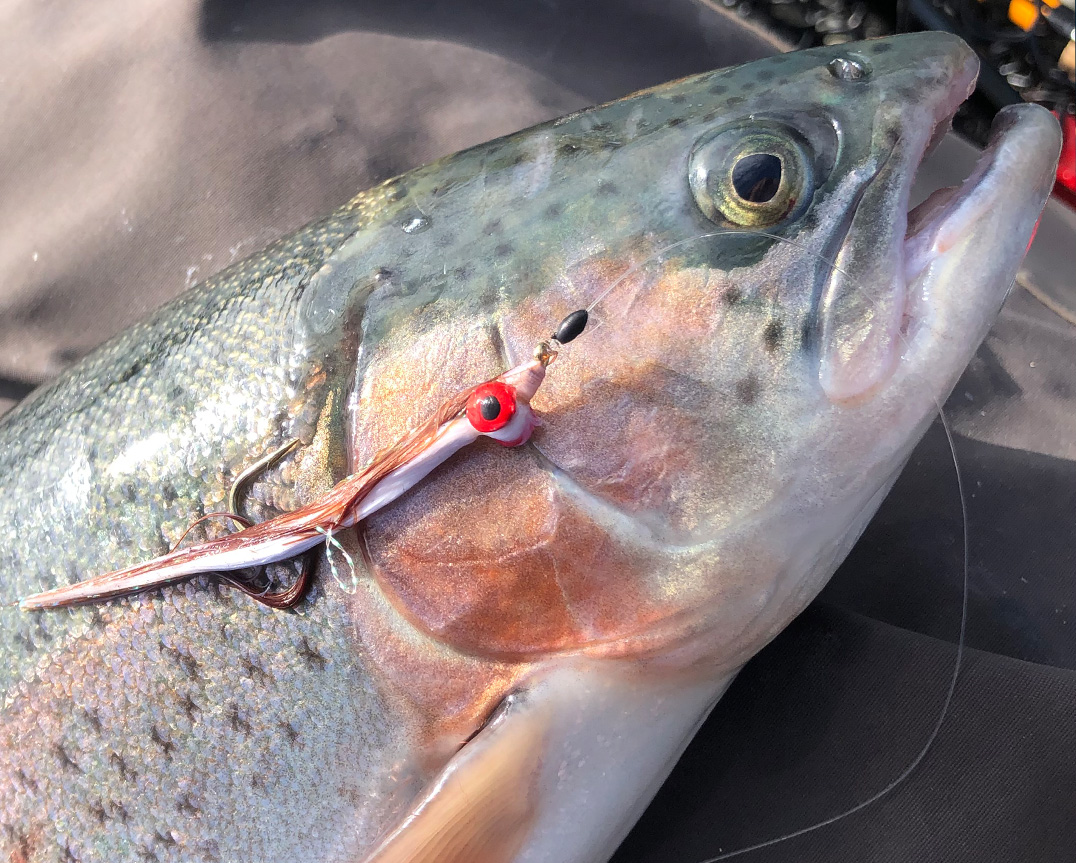
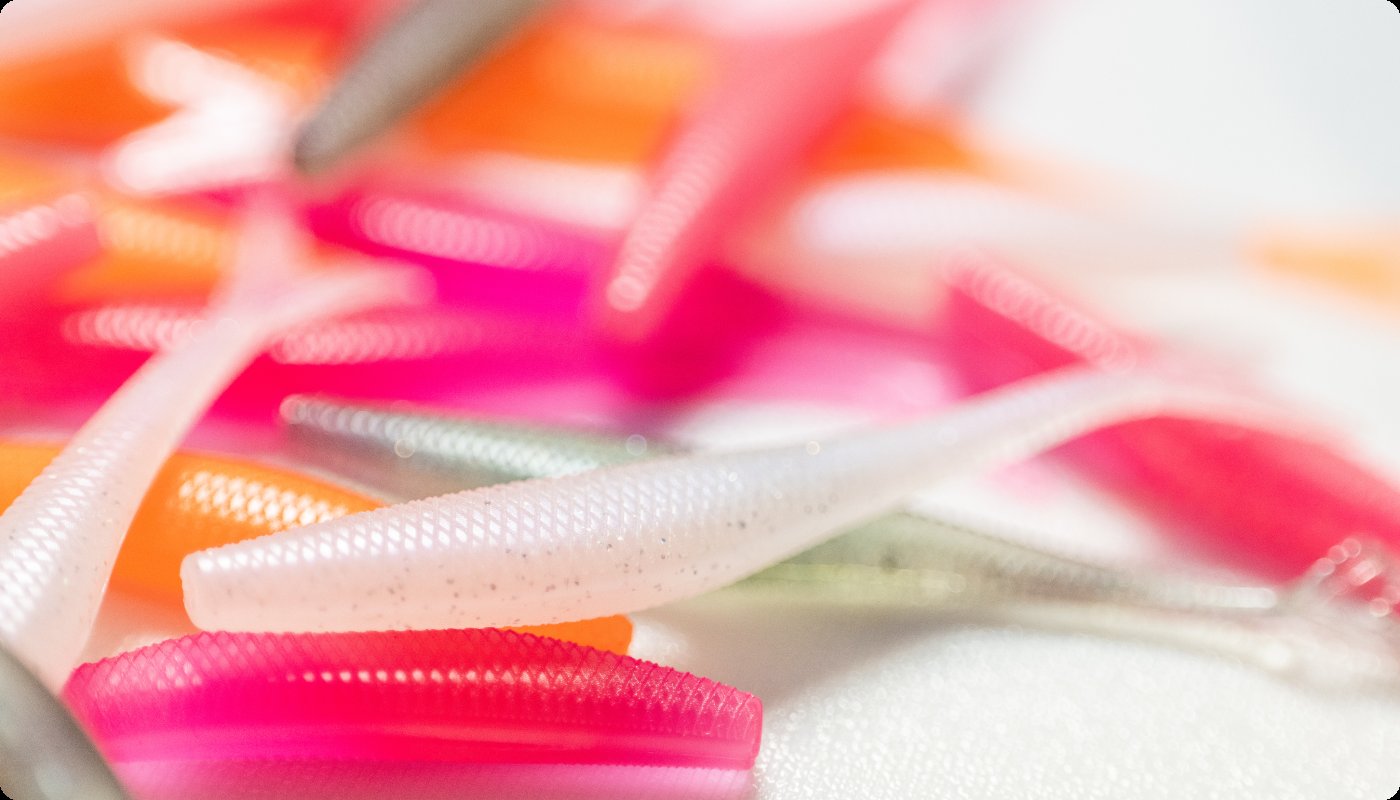
To target trophy trout, show them something big and novel that pressured fish have not seen. Most of Cal Kellogg's biggest trout, including a 13 pound 6 ounce fish, came on trolled flies. Run an oversized Apollo Fly or a big worm rig on 10 lb fluorocarbon with a Trigger Disc on the nose, 1.5 to 3 mph. A 4 inch Trix Minnow XL gives a large, realistic profile.
What is the best bait for trophy trout?
Trolled flies. Cal Kellogg reports that 85 to 90 percent of his biggest trout, including a 13 pound 6 ounce rainbow, came on flies. Fish see spoons and plugs constantly but rarely see a fly, so a fly shows them something novel. An oversized Apollo Fly adds the big profile trophy fish want.
Why do big baits catch bigger trout?
Because they show fish something new. Research shows trout can remember a lure that fooled them for up to six months, so pressured fish ignore the common baits everyone pulls. Cal Kellogg gives them a large, realistic profile they have not seen, like a 4 inch Trix Minnow XL, to draw a reaction.
How do you rig a big worm for trout?
Thread it on with a needle. Cal Kellogg runs 10 lb fluorocarbon to a number 4 red treble tied with a Palomar knot, a bead and two bobber stops above. He threads the worm using a needle and a dab of lube, buries the bobber stops inside, and caps the nose with a Trigger Disc.
How fast should I troll big baits for trophy trout?
Slow to moderate. A big worm's action starts around 1.5 mph and holds together past 3 mph. Cal Kellogg trolls flies from 1 to 3.5 mph depending on conditions and often top lines them 175 to 200 feet back just a few feet deep. Let the fish and the water set the exact speed.
Where do you leave the hook on a big soft plastic?
Let it ride at the tail. Cal Kellogg stopped burying the hook in the worm because it tears the bait and hurts action. Leaving the hook lying next to the tail keeps the action alive and, he finds, fish grab at the hook itself. That pushed his hookup rate to around 80 percent.
What size and colors of trolling flies catch trophies?
Carry a spread. Cal Kellogg fishes flies from 1.5 to 2.5 inches in bright colors, baitfish colors, and subdued browns and olives. His first big fish on a fly was a 7 pound rainbow at Lake Almanor. A Metal Head Fly adds vibration when you want to troll faster.
Can big baits be cast as well as trolled?
Yes. Cal Kellogg fishes the big worm on a spinning rod by shortening the leader, and he adds a drop of super glue for casting durability. The same oversized soft plastics that troll for trophy trout also catch bass to 4 pounds and even crappie, so they earn a spot in any big fish arsenal.
Watch the technique
Targeting trophy trout with big baits FAQ
Cal Kellogg runs 10 lb fluorocarbon for both his big worm rigs and most of his trolling flies. It is strong enough to land a double digit trout while staying nearly invisible. He drops to 8 lb for extra fly action but not lighter when true trophies are the target.
Cal Kellogg fishes a big soft plastic worm in white, bubblegum pink, a kokanee baitfish pattern, and bright orange. Pink produced trout to about 7 and a half to 8 pounds over a couple weeks. Rig several colors ahead of time so you can let the trout pick the winner.
No. Cal Kellogg has landed double digit rainbows on a small number 8 junior fly, and big worms catch pan sized trout too. Big baits tilt the odds toward large fish by showing a bold, novel target, but downsizing still produces when a bite gets tough.
It means rotate off pressured patterns. If a lake is full of fish conditioned to speedy shiners and common spoons, they may ignore them for months. Cal Kellogg shows a fly or an oversized soft plastic the fish have not seen, then changes size or color to reignite a fading bite.
Soft plastics hold scent well. Cal Kellogg adds gel scent to his worms and minnows so a fish that grabs the bait commits instead of spitting it. Coating the plastic gives a trophy trout one more reason to hang on long enough for the hook to find home.
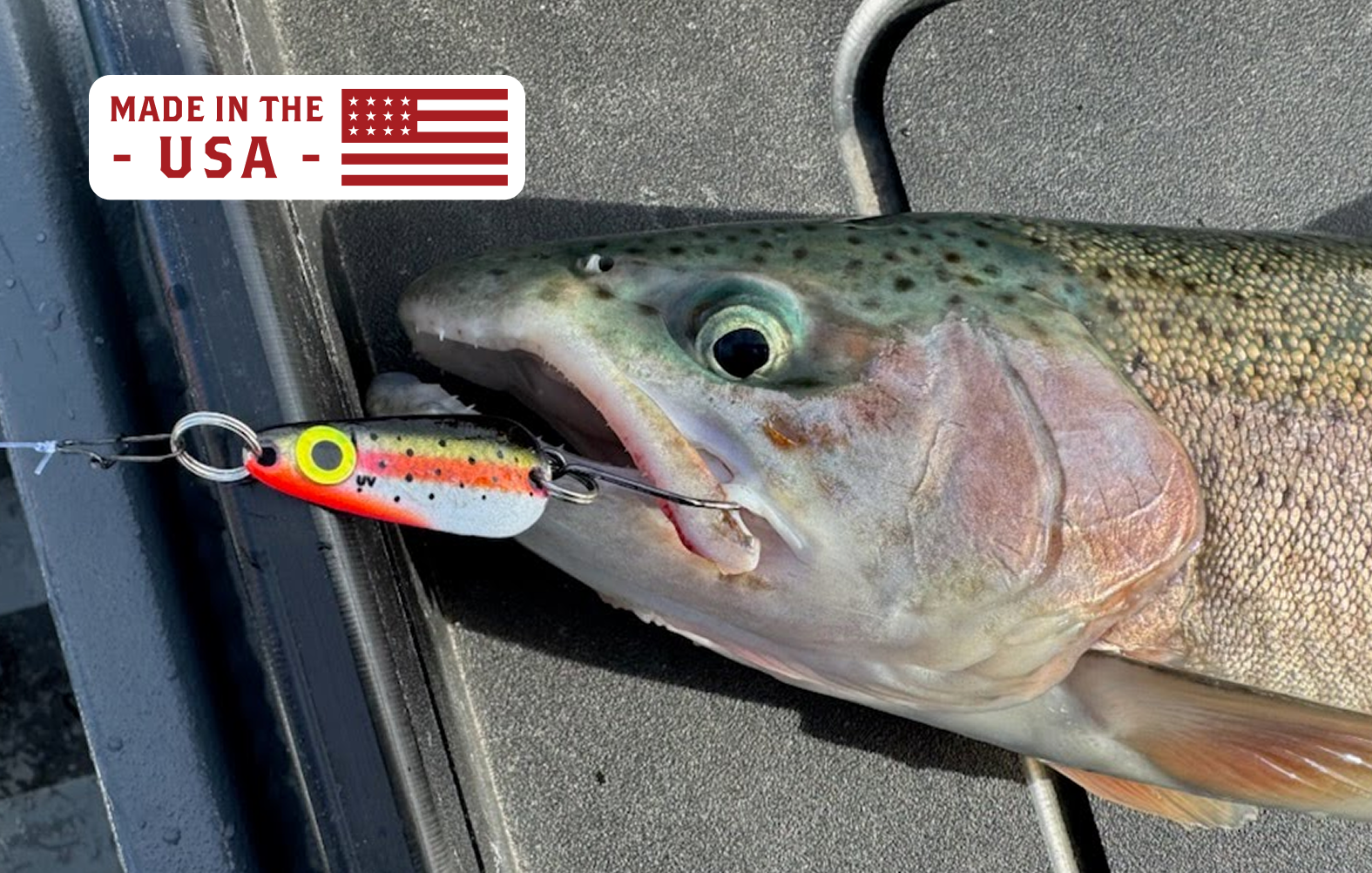
A range. Cal Kellogg caught trophies over 10 pounds on grubs, over 8 pounds on Trix worms, a 6 pounder on a spoon, and big fish on plugs. He matches the bait to conditions, but the constant is a large or novel profile that a wary trophy has not seen.