
Summer Trout Trolling: Fishing Deep Structure
How to catch summer trout fishing deep structure, from reading contour walls to finesse trolling.
Part of the Trout Trolling cluster: Start with the How to Troll for Rainbow Trout: Complete Guide, then use this spoke to dial in the specific setup.
In summer heat, trout drop into cool water over deep structure, so fish the walls and drop-offs, not the flat channel bottom. Find steep contour breaks in the depth the fish hold, often 40 to 90 feet, and work tight circles with your gear near the bottom. Finesse troll a Trix Worm on an action disc at 1.5 to 2 mph, run off a downrigger. Present your bait 5 to 10 feet above the biomass, since the highest fish are the most active.
Where do trout go in summer?
Deep and cool. When the surface climbs into the 70s and 80s, trout drop into the water column, often stacking over the main river or creek channel where it is 80 to 100 feet deep. That cool, oxygen-rich water holds bait too, so the fish have everything they want and turn finicky.
What is deep structure for trout?
For trout, structure means the steep walls, ridges, and drop-offs on the lake bottom, not the shallow cover a bass angler fishes. Cal targets steep breaks in the depth range the fish hold, often 75 to 90 feet, where the bottom rises hard and gives fish a place to corral bait.
How do I find deep structure on a map?
Look for contour lines packed close together, which marks a steep drop. Cal favors horseshoe and U shapes, where a wall traps bait with nowhere to escape. Use the mapping on your sonar, a Navionics chart, or an online contour map, and pick the breaks in your target depth.
How do I troll a deep-structure spot?
Make tight circles right around the break with your gear near the bottom. Start at the base of the wall, say 90 feet, then work up to 80 and 70 feet on later passes. Do two or three passes, rest the spot, and return 30 to 60 minutes later as fresh fish move in.
How do I get my bait down to summer trout?
There are four ways: an inline weight, leadcore for the top 20 feet, a downrigger for anything deeper, and a diver. On a downrigger, use the multiples-of-100 rule for setback, so down 40 means back 60, down 50 means back 50. Cal runs bait 40 to 50 feet down.
What is the best finesse bait for summer trout?
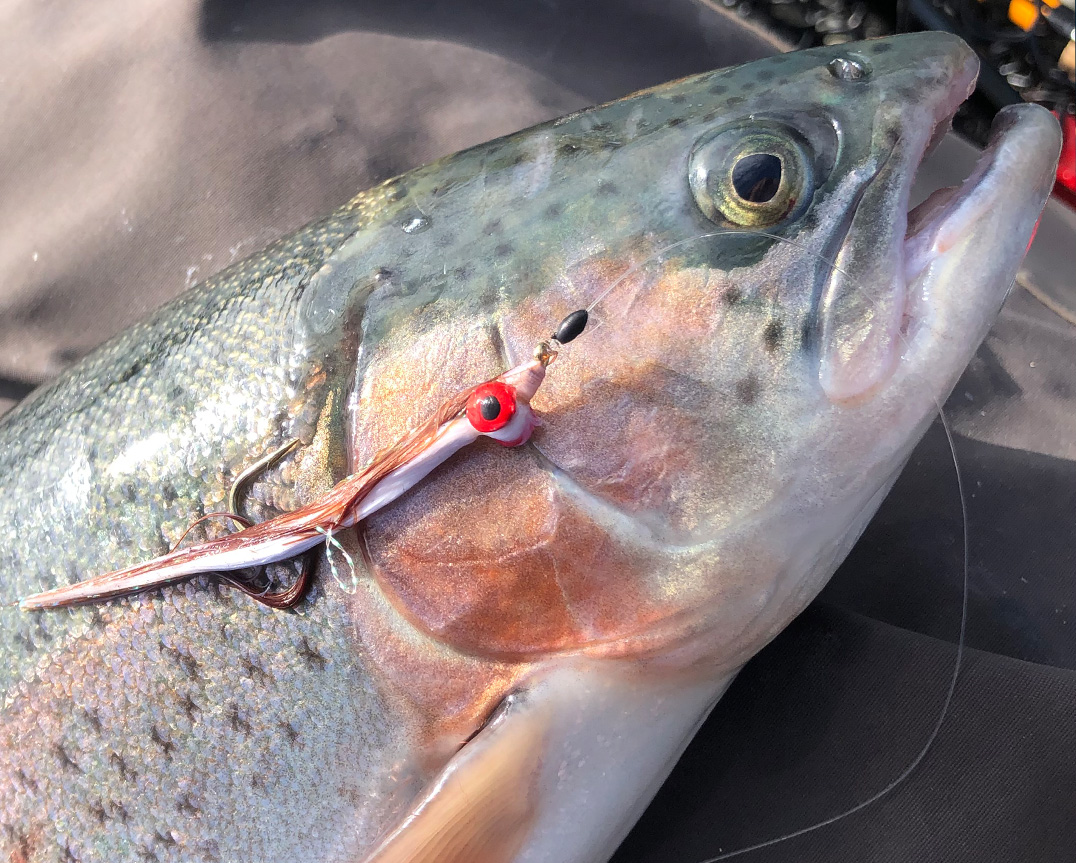
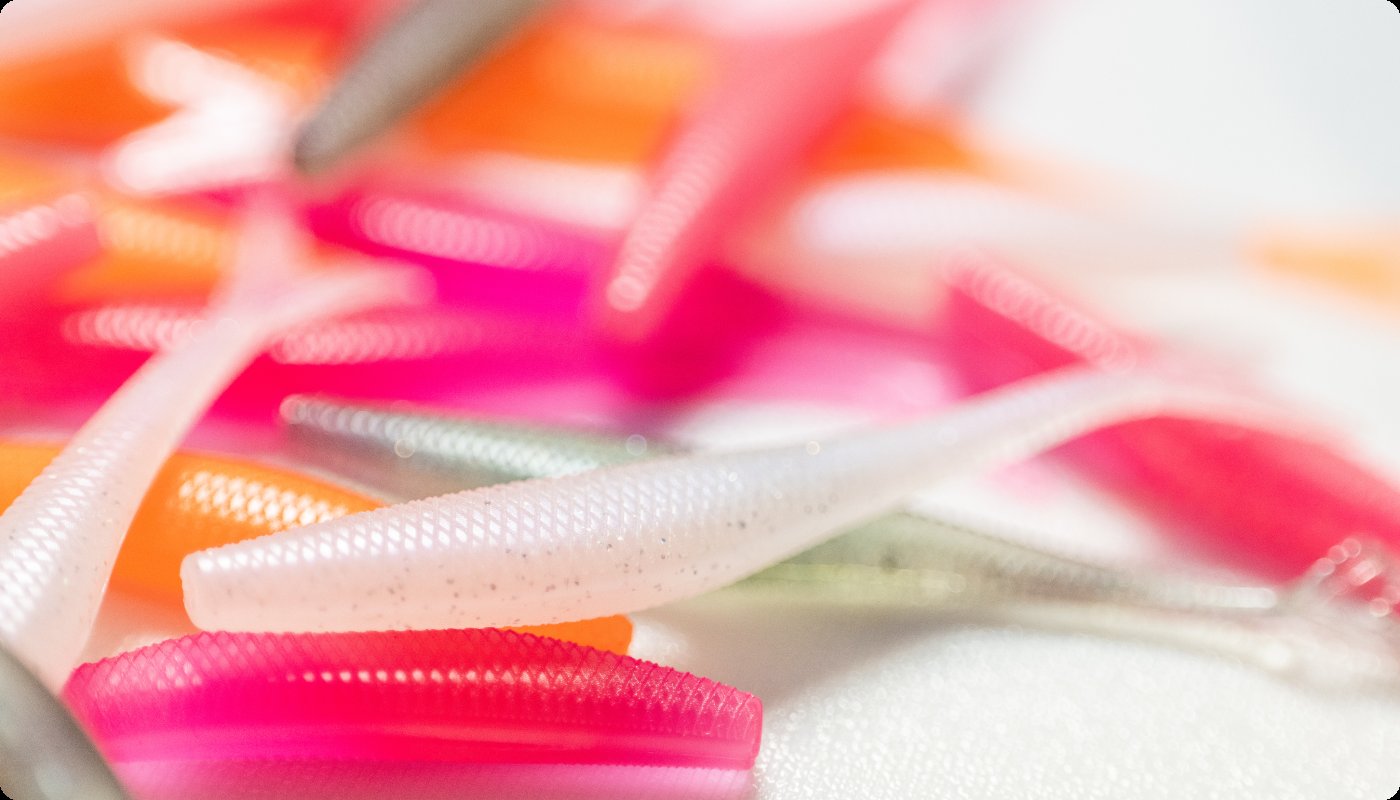
A soft plastic. Cal runs a bait-fish colored Trix Worm on an action disc, run naked, at 1.5 to 2.5 mph off a downrigger. It throws a ton of erratic action at low speed and stays in the strike zone, and neutral fish nip it until the hook near the tail pins them.
How deep should I set my bait relative to the fish?
Above them. Trout feed up, so present your bait 5 to 10 feet above the marks. The most active, willing fish always sit at the top of the biomass, so if you mark fish at 50 feet, run your gear around 45. Cal often drops to the exact mark depth and hooks up within a minute.
Can I catch trout in the dog days of summer?
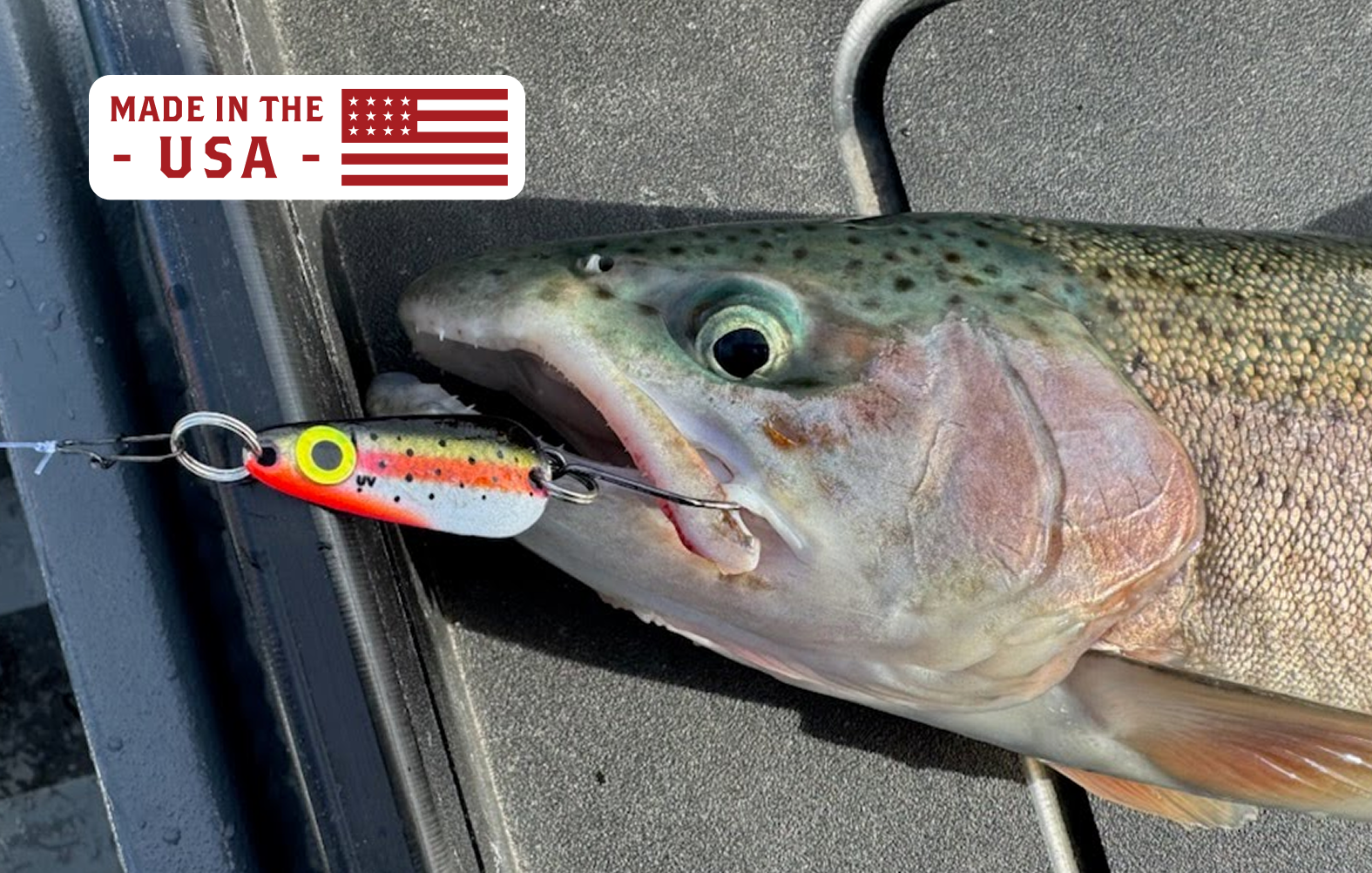
Yes, with finesse. Fish early or late, get down with a downrigger, and slow to 1.5 to 1.8 mph with a high-action soft plastic, small spoon, or compact fly. Make small changes of 2 to 3 feet in depth or a few tenths in speed, and stay on the marks that produce.
Watch the technique
Summer trout trolling deep structure FAQ
Rainbows are most comfortable around 56 degrees and hold up into the mid 60s. Once the surface stays above 65 degrees, and especially in the 70s and 80s, they drop down seeking cooler water, often 40 to 60 feet deep or more.
Fish moving down the middle of a deep channel are just using it as a highway and rarely feed there. The steep walls let trout corral bait against them, so those breaks hold feeding fish consistently rather than by random chance.
Close. Cal bounces gear right down the wall, catching fish with the ball near the bottom in 86 feet of water. You risk snagging a rock or stump, but that is where the fish are, so get your gear in the zone with confidence.
Set your line back so the setback and depth add to about 100. Down 40 feet, go back 60. Down 50, back 50. Down 10, back 90. It is a simple starting point for getting your bait into the zone behind the ball.
A diver dives on water pressure as you troll and trips a trigger when a fish hits, so it stops diving and you fight the fish clean. It is ideal for a second deep line on a kayak or small boat. Follow the depth-and-line chart on the package.
Keep a steady grind on the reel with the rod tip low and loaded, and do not pump or lift. Summer fish are often nipping and only skin-hooked, so smooth, constant pressure lands far more of them than heroics.
Once you find an area holding fish, stay on it. Do not leave fish to find fish. Keep your bait in the strike zone and only move when the marks disappear or stop responding to your offering.
Shop the Tackle
- Trigger Spoon 2.25" - Trout & Landlocked Salmon
- Junior Trigger Spoon 1.25" - Trout & Salmon
- Speed Spoon 2.5" - Power Trolling Spoon
- Optimizer Size 3 3.625" - Trout & Salmon Trolling Spoon
- Optimizer Size 4 4.25" - Trout & Salmon Trolling Spoon
- Trix Minnows 3" - Trout Soft Bait - 5 Pack
- Trout
- Spoons
- Dodgers & Flashers