
How to Troll for Rainbow Trout: Complete Guide
A guide-built playbook on how to troll for trout: speed, depth, top lining, leadcore spreads, and pattern building.
Catch America Trout Trolling Hub
How to Troll for Rainbow Trout: Complete Guide
Use this page as the hub, then jump to the matching setup, lure, and rigging guides below.
- Spring Trout Trolling Guide
- Summer Trout Trolling: Fishing Deep Structure
- Fall Trout Trolling Guide
- Winter Trout Trolling Guide
- How to Use a Downrigger for Trout & Salmon
- Leadcore Line Trolling: Setup & Depth Guide
- How Deep to Troll for Trout: Downrigger, Lead Core, Flatline, and Speed
- Best Trout Trolling Lures: Spoons, Plugs, Dodgers, and Soft Plastics
Shop the collection:
Troll for rainbow trout by matching depth, speed, and lure to the conditions. Start fast at 2.5 to 2.8 mph with a Trigger Spoon or a trolling fly to cover water and find fish. When the surface goes glassy, downsize to a Junior Trigger Spoon and slow to about 1.8 mph. In cold water from 57 to 65 degrees, trout hold in the top 5 to 20 feet, so top line or run hybrid leadcore near the surface. Test one variable at a time until you build a pattern.
What speed should I troll for rainbow trout?
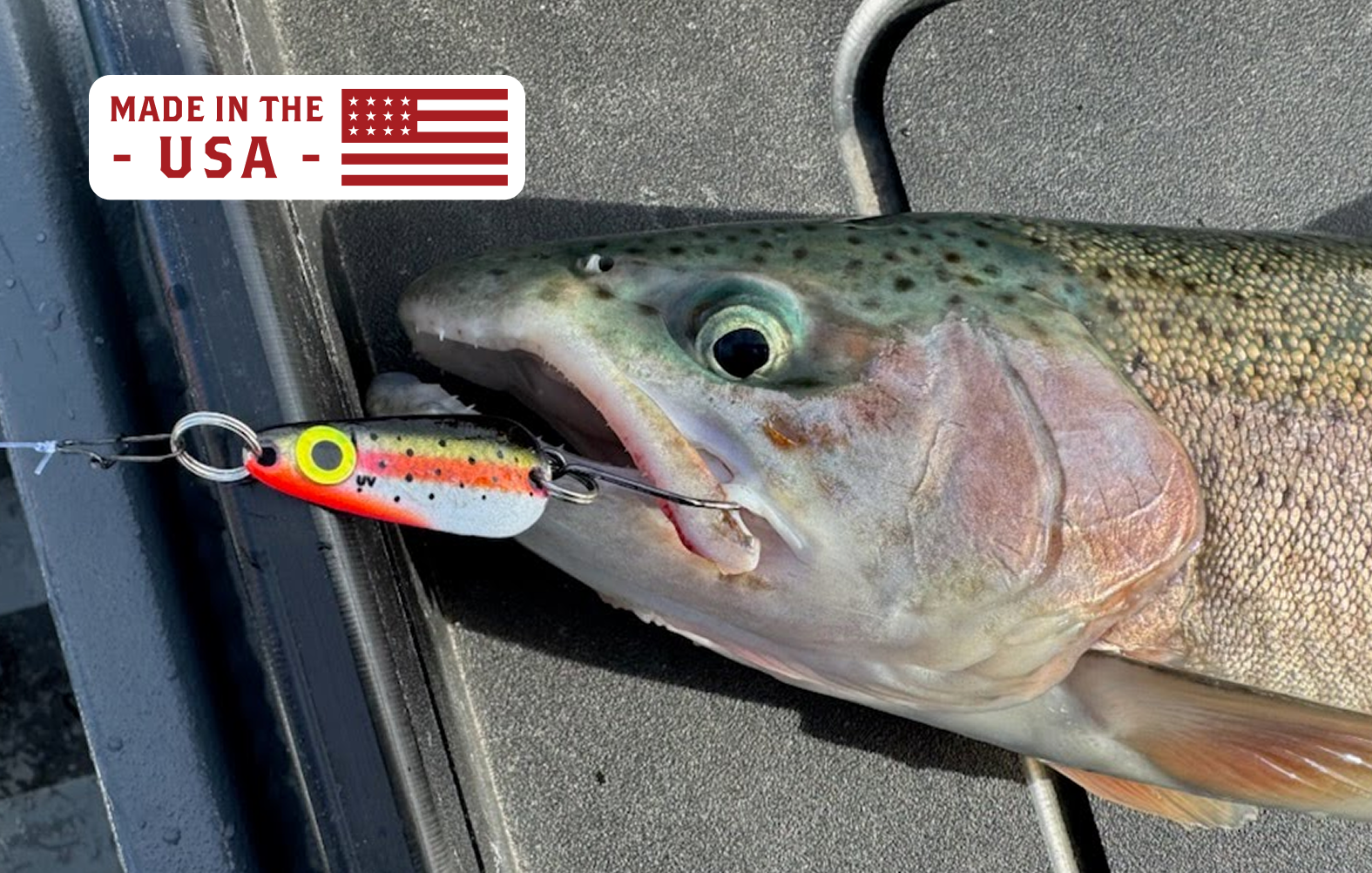
Start fast at 2.5 to 2.8 mph with spoons or flies to cover water and trigger a predatory response. When the water turns glassy and the bite dies, slow to about 1.8 mph and downsize. Cal Kellogg switched from a full Trigger Spoon to a Junior Trigger Spoon at 1.8 mph and started catching again within five minutes.
How deep do rainbow trout hold when trolling?
In cold water from 57 to 65 degrees, rainbows sit in the top 5 to 20 feet, often close to shore, especially with wind chop. Depth is dictated by what you run. A spoon 100 feet back at 2.5 mph rides only 1 to 2 feet deep, while a diving plug at the same distance can reach about 12 feet.
What is top lining for trout?
Top lining means running a lure a set distance behind the boat in the top 5 feet of the water column, with no downrigger, dodger, or leadcore. Cal rigs 10 lb main line to a bead, a trolling swivel, and an 8 lb fluorocarbon leader. For flies or soft plastics, add a small three-eighths ounce weight and a Trigger Disc to get under the surface.
How do I set up a leadcore trolling spread for trout?
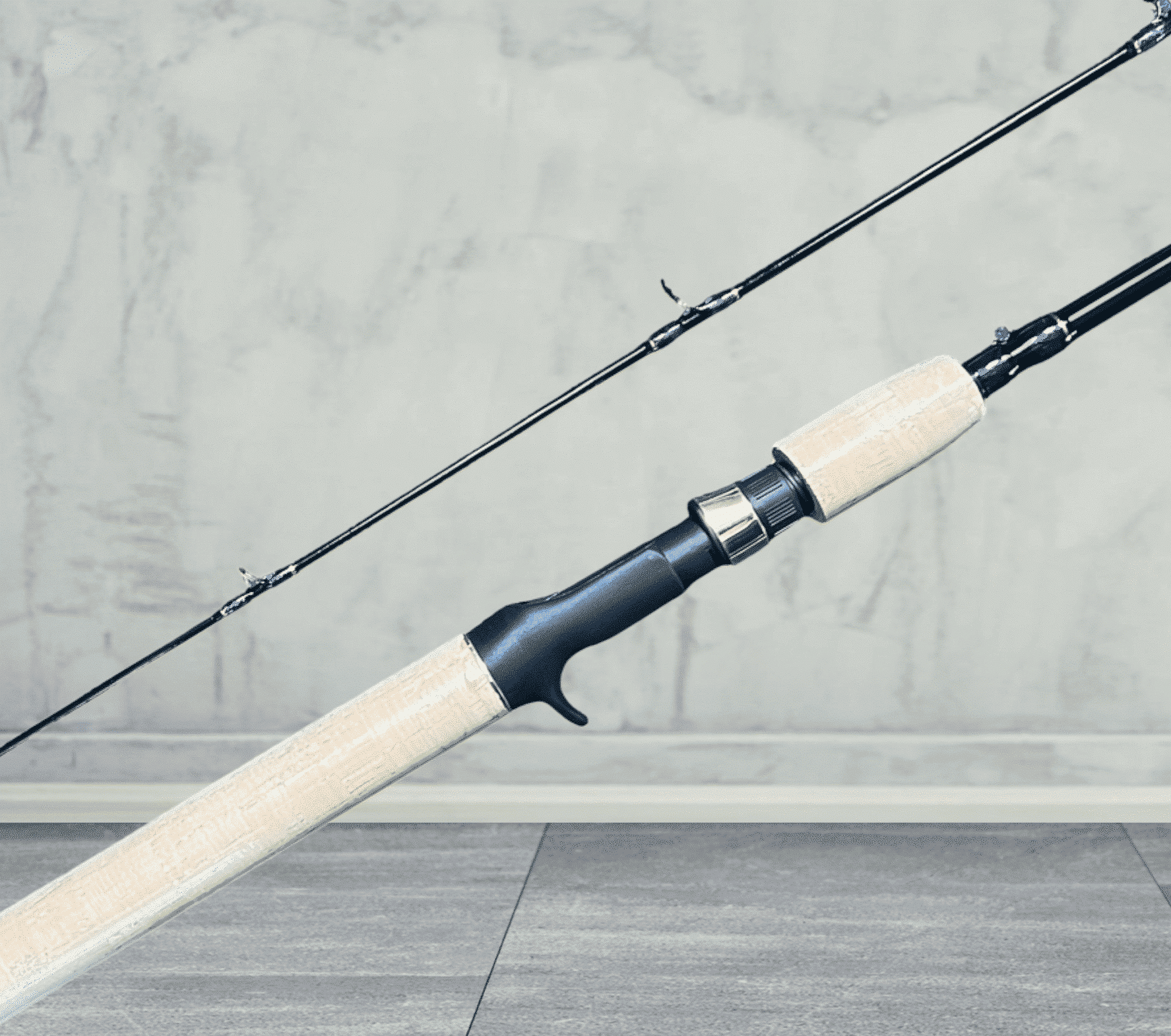
For late fall through early spring, run a four-rod spread: three hybrid leadcore rods at 5, 10, and 15 feet deep, plus one top line fly scoped 200 to 225 feet back. Hybrid leadcore often outfishes a downrigger in the top 20 feet. A Cal's Leadcore Trolling Rod handles this presentation.
How do I build a trout trolling pattern?
Once you get a few bites, change one variable at a time: depth, lure shape, speed, color, or flash. Use California's two-rod rule to test. Small moves matter. Cal caught twice as many trout at 30 to 32 feet as his cousin did at 25 feet with the same lures. Let the fish tell you what they want.
What lure color should I use for trout?
Match the forage. On a bug-eating lake, run bright colors. On a pond smelt or baitfish lake, run silver and 24 karat gold baitfish patterns. If you do not know, put out one bright lure and one baitfish pattern and let the fish choose. A tui chub pattern Trigger Spoon shines on smelt lakes.
How do I catch light-biting trout that will not commit?
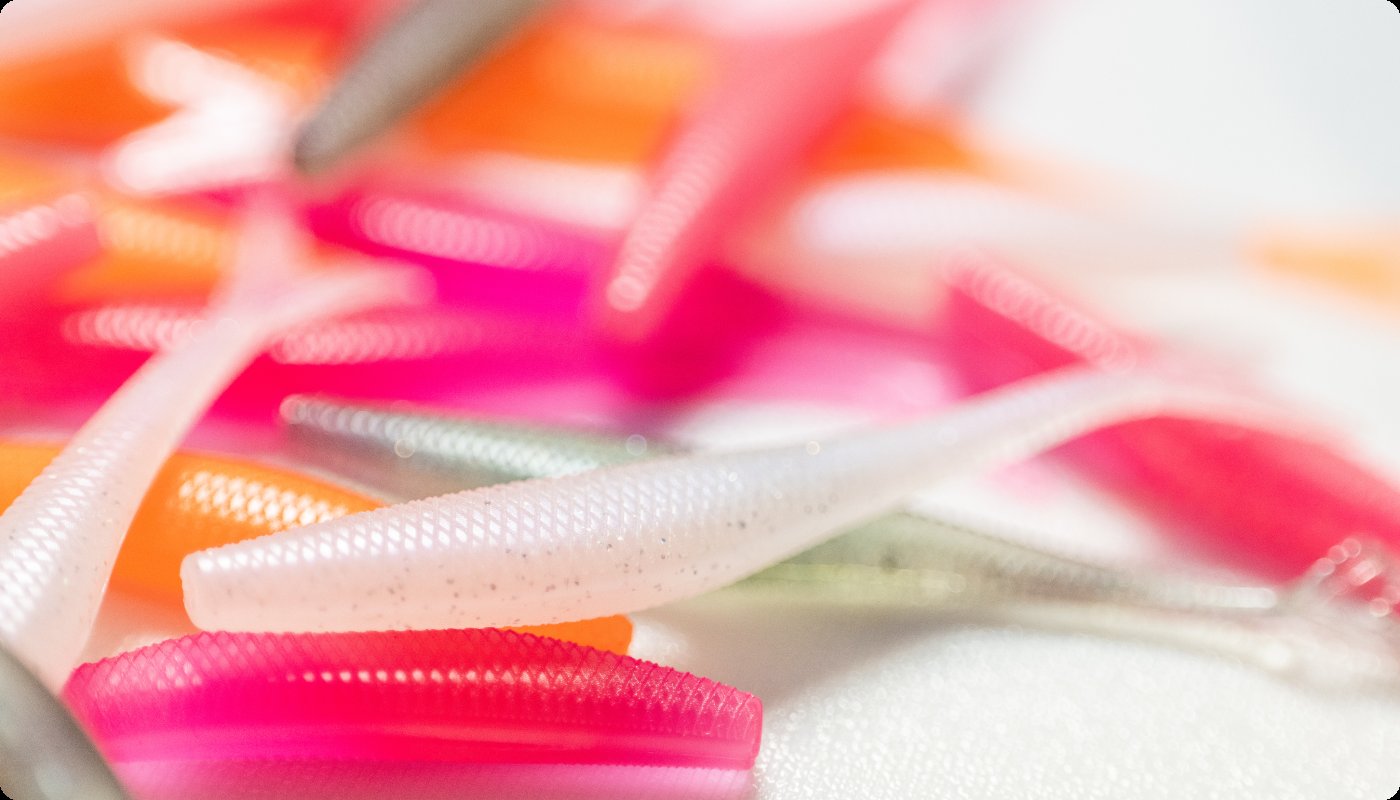
When trout tap the bait and drop it, downsize and slow down, or add action by hand. Grab the line, work it a little, and that pause and dart often closes the deal. Slather soft plastics like a Trix Minnow in Trigger Scent so a fish that mouths it holds on.
What tackle do I need to start trolling for trout?
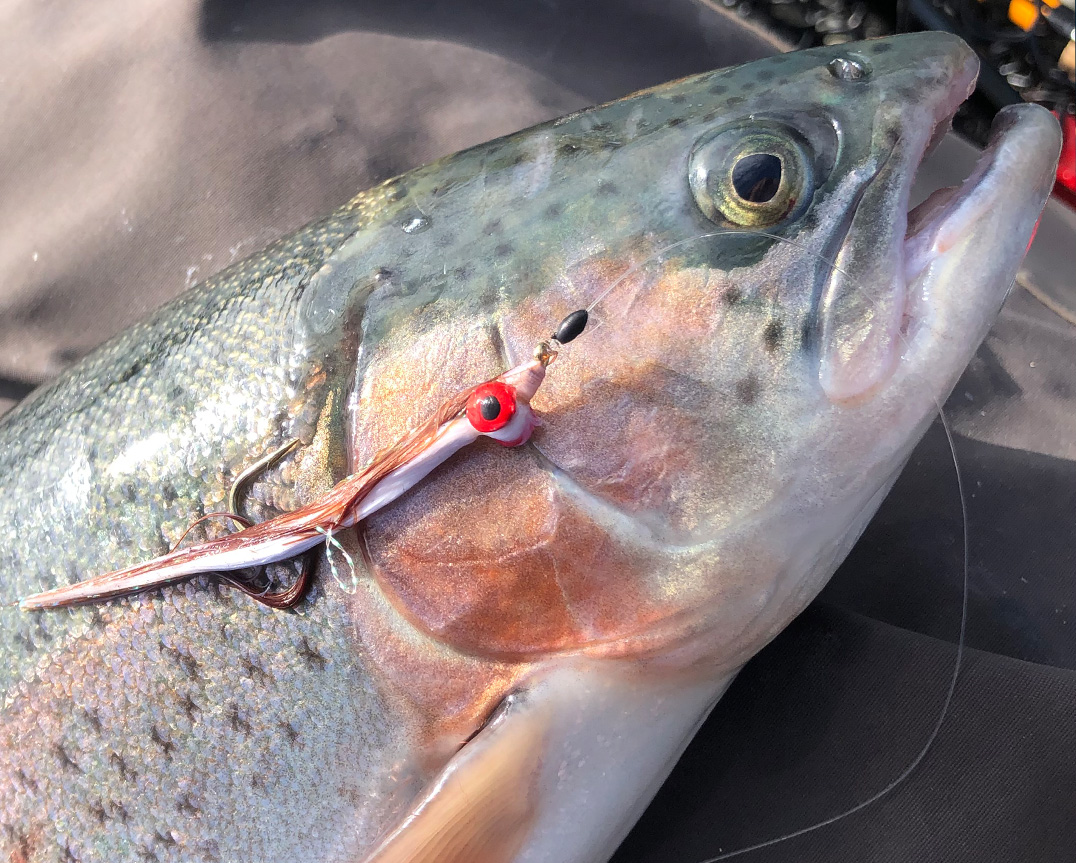
Run a fluorocarbon leader of 8 to 10 lb test at all times. Cover water fast with a Speed Spoon or Trigger Spoon, then downsize to a Pinhead Spoon for more action at slower speeds. Trolling flies like the Metal Head Fly produce many of the biggest trout each year.
Watch the technique
Trolling for rainbow trout faq
Use an 8 to 10 lb fluorocarbon leader at all times. Cal never drops below 8 lb and rarely goes above 10 except for very big fish. The main line can be 10 lb monofilament or braid.
From a kayak, 65 feet is a solid start. From a powerboat, begin at 100 feet, then experiment longer. A long trailing top line scoped 200 to 225 feet back often picks up the biggest fish of the day.
Yes. At 65 to 66 degrees or below, rainbows hold right under the surface, especially early, late, and any time there is wind chop. Cal counts on shallow surface trout in that range.
In late fall, winter, and early spring, hybrid leadcore often outfishes a downrigger when fish are in the top 20 feet. Cal runs three leadcore rods at 5, 10, and 15 feet instead of downriggers during those seasons.
Pair a fly with a wiggle disc pegged about 2 inches above it using a bobber stop, and add a small trolling weight to get it under the surface. This rig produces many of Cal's biggest trout each year, including fish over 8 lbs.
The fish are likely striking lightly. Downsize your lure, slow down, and add hand action to the line to trigger a firmer commitment. Scenting soft plastics also helps light biters hold on long enough to hook.
Fast or power trolling for trout runs about 2.5 to 2.8 mph with spoons and flies run clean. When the bite slows, drop to around 1.8 mph and switch to smaller, more compact lures.
No. Cal focuses on the trout, not the lake. Read the conditions, find the forage, use sonar to locate fish, and present accordingly. The same systematic method works on any trout water.
- Trigger Spoon 2.25" - Trout & Landlocked Salmon
- Junior Trigger Spoon 1.25" - Trout & Salmon
- Speed Spoon 2.5" - Power Trolling Spoon
- Pinhead Spoon - Kokanee & Trout Trolling Spoon
- Metal Head Fly - Trophy Trout Trolling Fly
- Trigger Fly - Trophy Trout Trolling Fly
- Trix Minnows 3" - Trout Soft Bait
- Trix Worms 3" - Trout Soft Bait
- Trigger Discs
- Trigger Scent UV Gel by Cal Kellogg
- Cal's Leadcore Trolling Rod
Shop the Tackle
- Trigger Spoon 2.25" - Trout & Landlocked Salmon
- Junior Trigger Spoon 1.25" - Trout & Salmon
- Speed Spoon 2.5" - Power Trolling Spoon
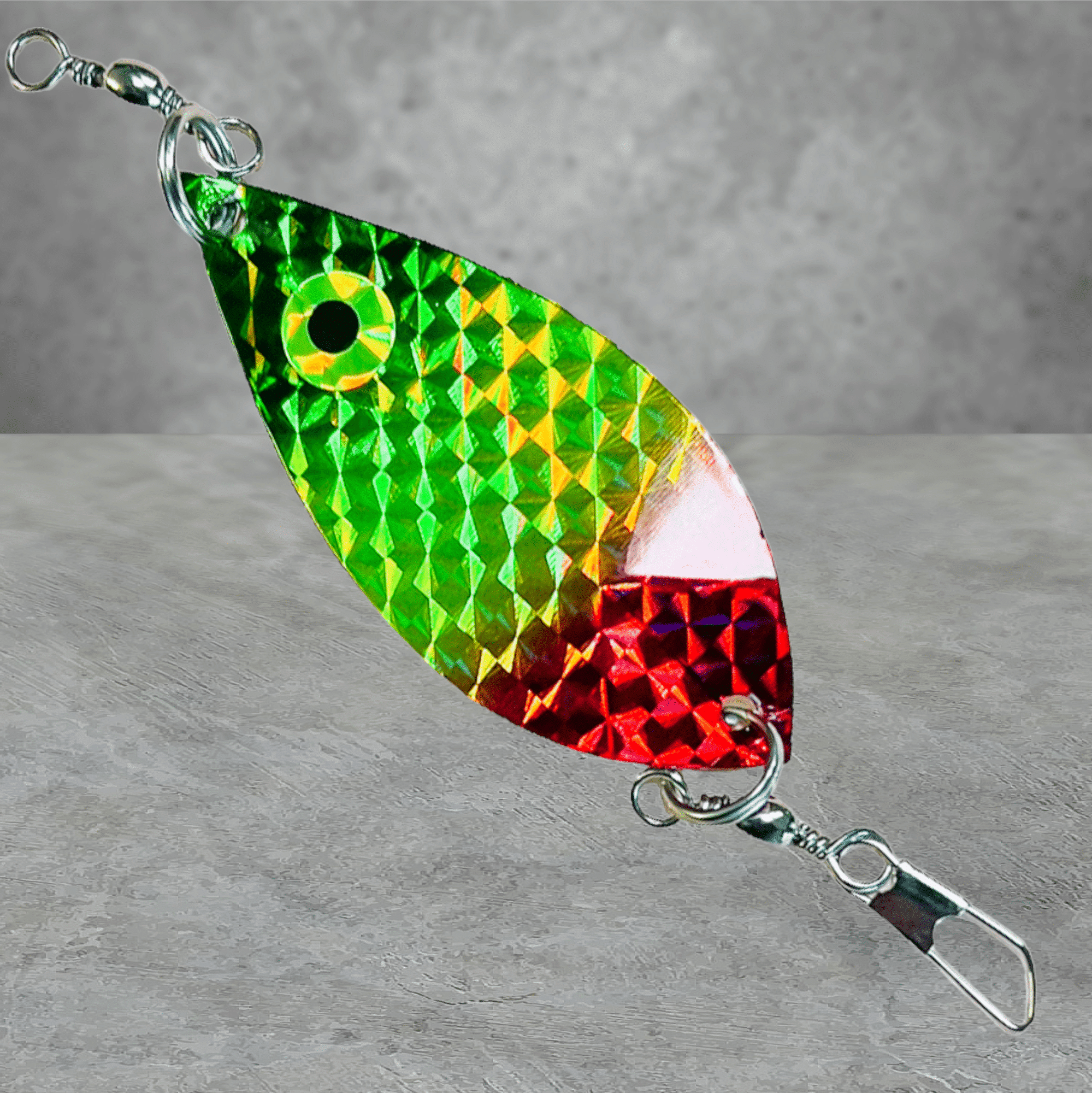
- Optimizer Size 3 3.625" - Trout & Salmon Trolling Spoon
- Optimizer Size 4 4.25" - Trout & Salmon Trolling Spoon
- Trix Minnows 3" - Trout Soft Bait - 5 Pack
- Trix Worms 3" - Trout Soft Bait - 5 Pack
- Metal Head Fly - Trophy Trout Trolling Fly - 2 Pack
- Trout
- Spoons
- Dodgers & Flashers