
Trolling Flies to Match the Insect Hatch
How to rig and troll flies to match the insect hatch for trout, covering leader, action disc, colors, and speeds.
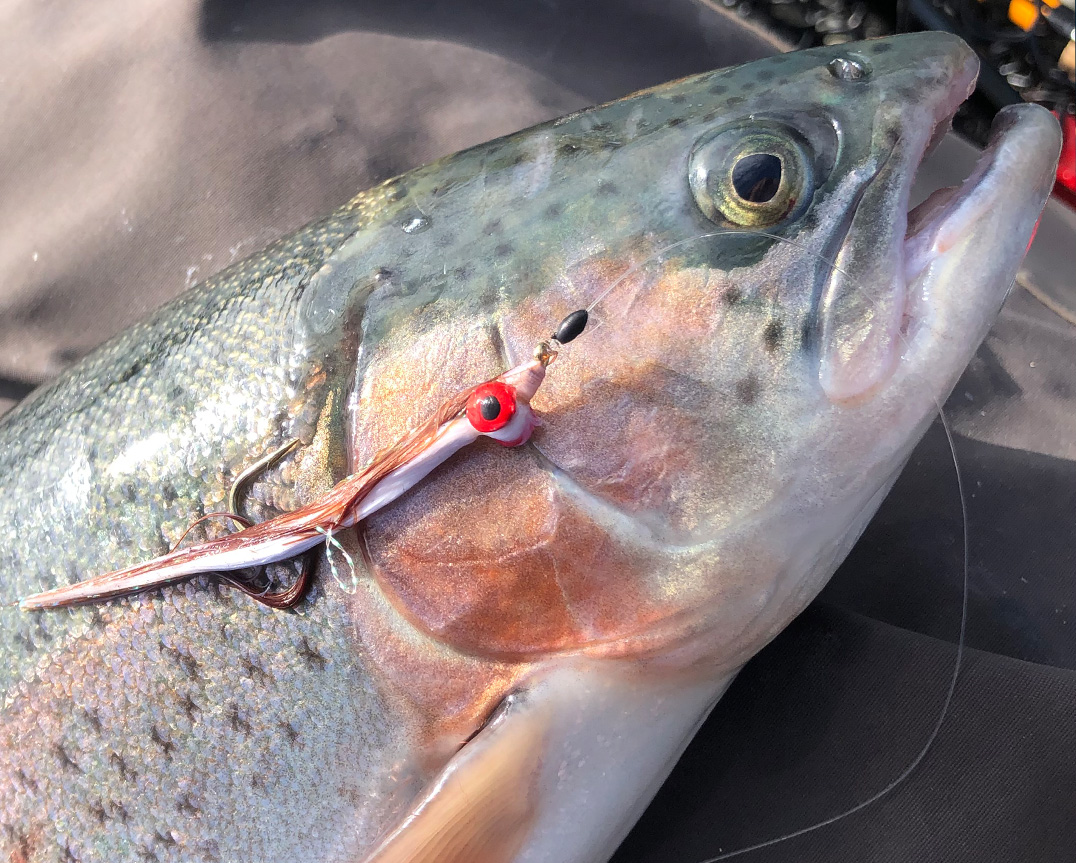
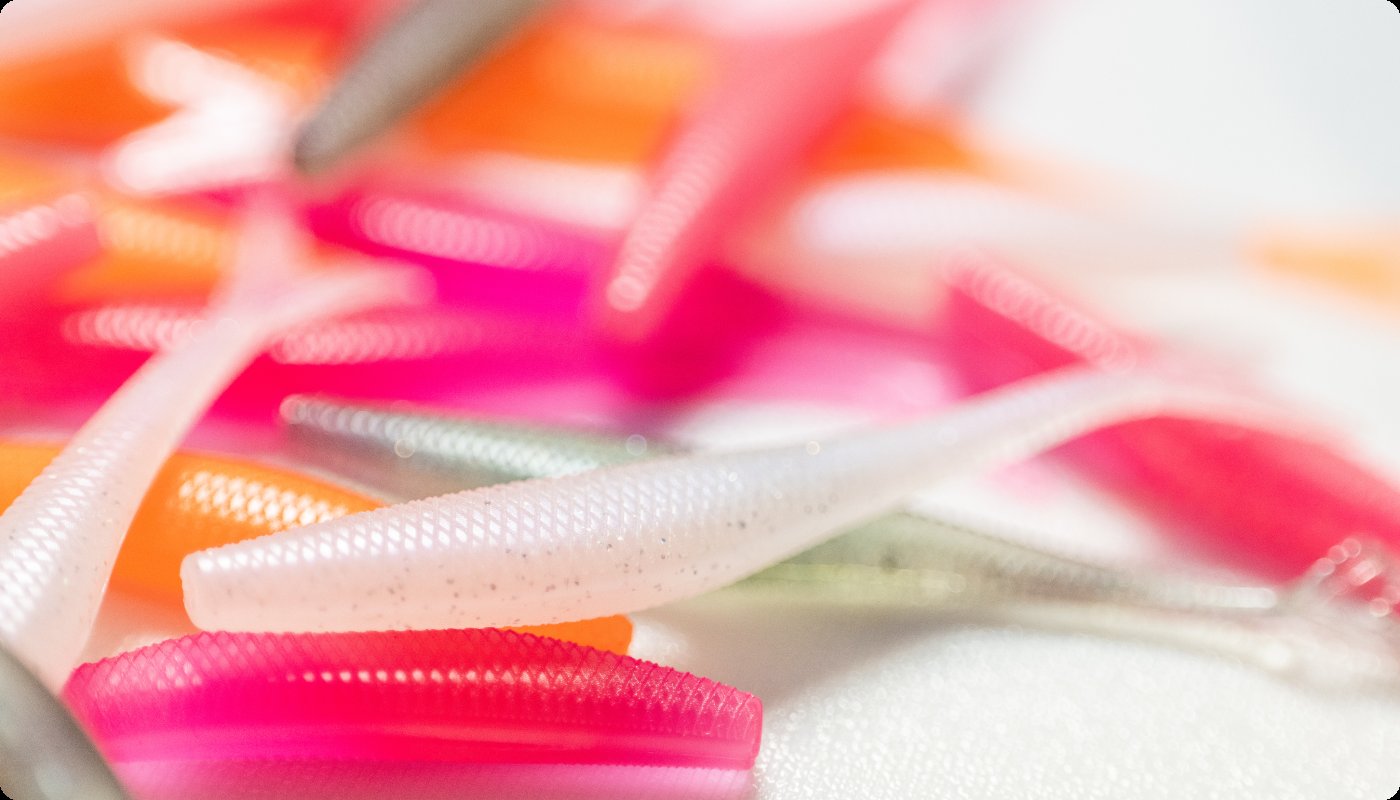
When trout lock onto an insect hatch, subtle flies out fish spoons. Rig a Trigger Bugger on 8 lb fluorocarbon with a couple bobber stops holding the action disc about a half inch off the nose, then troll 1.5 to 2 mph. Bright pink, chartreuse, and white produce when fish are picky. Run a Metal Head Fly with the disc right on the nose for a faster, higher vibration presentation. Flies are a slow troll bait.
How do you catch trout that are feeding on insects?
You usually cannot match a live hatch with trolled gear, so give fish a subtle, curious offering. Cal Kellogg switches to a bright Trigger Bugger or a soft plastic when trout are keyed on size 14 bugs. Lazy S turns through surface feeders and an erratic, slow presentation coax reaction bites.
How do you rig a trolling fly?
Keep it simple. Cal Kellogg ties the fly to a 42 inch, 8 to 10 lb fluorocarbon leader with a Palomar knot and adds a Trigger Disc on the nose for rotation and vibration. Ten pound gives the best mix of action and strength. He runs flies from just under the surface down past 100 feet.
How do you rig a woolly bugger to match the hatch?
Because a woolly bugger is a subtle fly, do not crowd the disc against the nose. Cal Kellogg uses a couple bobber stops to hold the action disc about a half inch off the Trigger Bugger, which dials in an erratic action. He runs 8 lb fluorocarbon and pulls it slowly for finicky, insect feeding trout.
What fly colors work when trout are picky?
Go bright to trigger curiosity. Cal Kellogg reaches for pink first, then chartreuse, yellow, purple, and white. White shines where fish feed on shad in the valley. Dark naturals like black, olive, and brown have their place, but a bold color often forces a strike when fish will not commit to a natural.
Should I run a metal head fly or a standard fly?
Match the fly to your speed. A Metal Head Fly has an intense, rattle bait style vibration and is built to troll fast and aggressive alongside a spoon. Standard flies fish best from 1 to 2 mph. When a bite calls for a slow, subtle look, the standard fly and a bugger win.
Can you troll a fly behind a dodger?
Yes. Cal Kellogg rigs the same fly behind a 6 inch dodger, drops the action disc, and sets the fly two to three dodger lengths back on a 14 inch leader. He fishes this deep on a downrigger or leadcore at roughly 1.8 to 2 mph, letting the dodger impart the darting action.
How deep should I troll flies?
Anywhere the fish are. With the action disc, Cal Kellogg fishes flies from 2 feet deep on a top line up past 100 feet down. He has caught trout as shallow as 2 feet at Lake Davis and as deep as 101 feet in a single season. Let your sonar and the surface activity set your depth.
Watch the technique
Trolling flies to match the insect hatch for trout FAQ
A trolled fly imitates a larger food item and pulls fish off a tiny hatch through curiosity and reaction. Cal Kellogg notes fish locked on size 14 bugs will not chase trolled gear well, so he grinds a subtle bright fly or a pink worm just above their heads until they nip and get hooked.
Cal Kellogg runs a 42 inch fluorocarbon leader and settles on 10 lb most of the time. He will drop to 8 lb for extra action but not lighter when big fish are the goal. Above 12 to 15 lb the heavier line starts to kill the fly's action.
It depends on the fly. On a Metal Head Fly or a fly with lead eyes, Cal Kellogg wants the disc right on the nose. On a subtle woolly bugger he backs it off about a half inch with bobber stops so the fly wiggles instead of spinning tight.
Cal Kellogg wraps each fly's leader on a flat piece of foam with one inch slots cut in it and keeps them in a gallon zip bag. Pre rigging on foam avoids the kinks that round leader spools cause on long leaders and lets you swap colors fast so your fly spends more time in the water.
Speed. The metal head makes a fly run true with a very intense vibration, like a rattle bait crankbait. Cal Kellogg designed it to troll fast and aggressive next to a spoon or plug, which lets you keep a fly in a fast spread when fish want a quicker moving target.
Yes, especially in low light. A black fly gives a strong silhouette early, at dusk, and under overcast. Cal Kellogg leans on black, dark blue, and dark green when light is low, then shifts to brighter patterns as the sun climbs and the black fly bite fades.