
Trolling Speed for Trout: Slow vs Fast Troll
Trolling speed for trout: when to fast troll spoons at 2.5 to 3 mph and when to slow down and downsize, from guide Cal Kellogg.
Start fast and let the fish set the pace. Power troll spoons run clean at 2.5 to 3-plus mph to cover water and reach the most aggressive trout, using a Speed Spoon or Trigger Spoon. When the bite dies or the surface goes glassy, slow to about 1.8 to 2 mph and downsize to a Pinhead Spoon or switch to a worm or fly. Fast trolling shines in low light and wind, when trout push up and onto structure.
What speed should I troll for trout?
Start fast, around 2.5 to 3 mph or a bit more, to cover water and expose your lures to the most aggressive fish. That fast pass also shows you where fish are holding. When the aggressive bite tapers off or the water turns glassy and bright, slow to about 1.8 to 2 mph and downsize. Let the fish tell you the pace.
When should I fast troll (power troll) for trout?
Power troll in low light and wind. Early morning, late evening, overcast skies, and a good chop all push the most aggressive trout up in the water column and onto structure, where they chase. Those are the times to run big-profile spoons and plugs fast and trigger reaction strikes, just like a bass angler burning a rip bait.
What lures should I use for fast trolling?
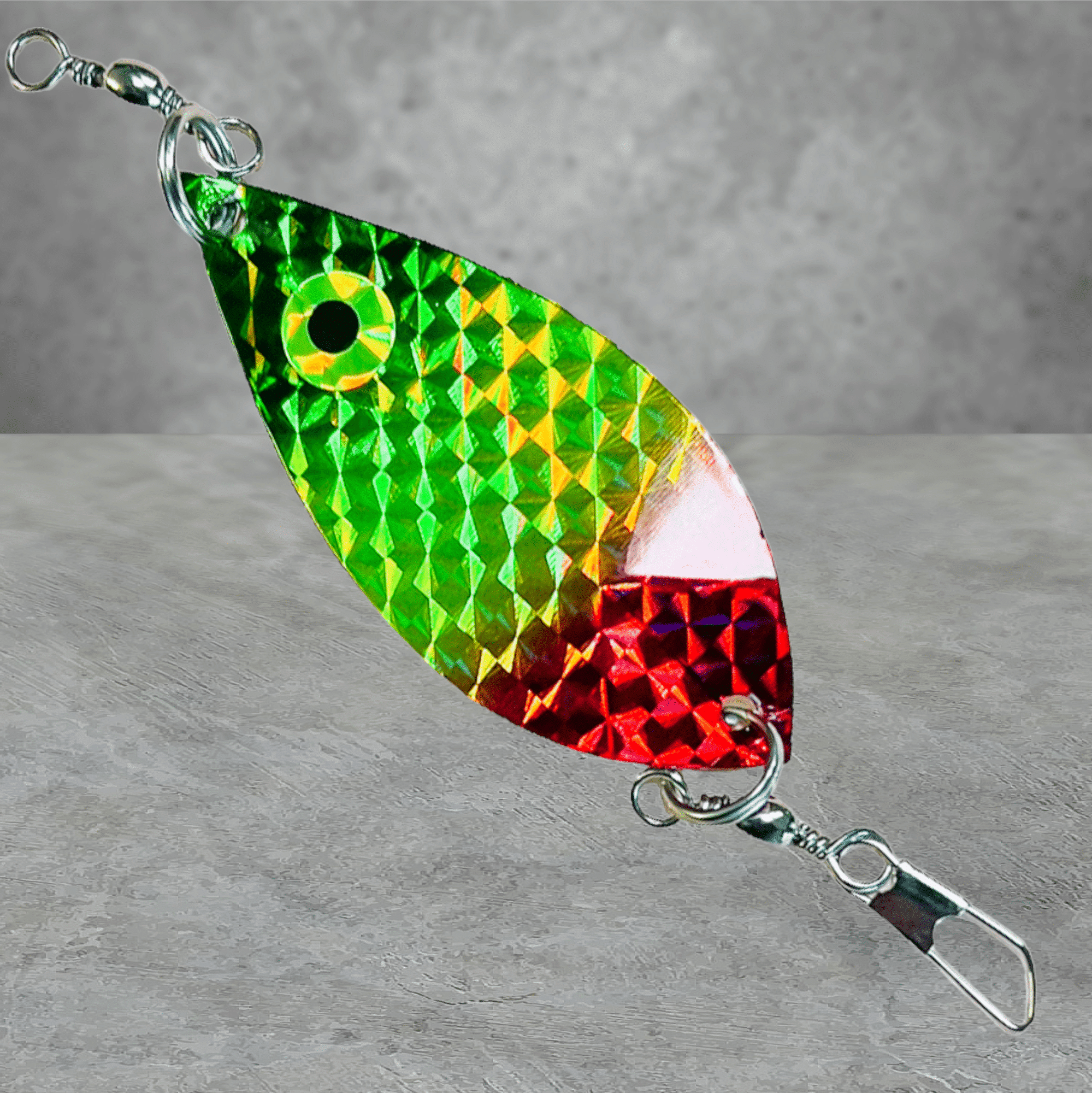
Run spoons clean at speed. A Speed Spoon handles 2.8 mph and up, and copper is an under-fished color that has taken trout to 8 pounds. The Trigger Spoon fits the 2.5 to 2.7 mph range. For baitfish-eating predators, a broken-back Metal Head trolls great at 3 to 4 mph.
When should I slow troll and downsize for trout?
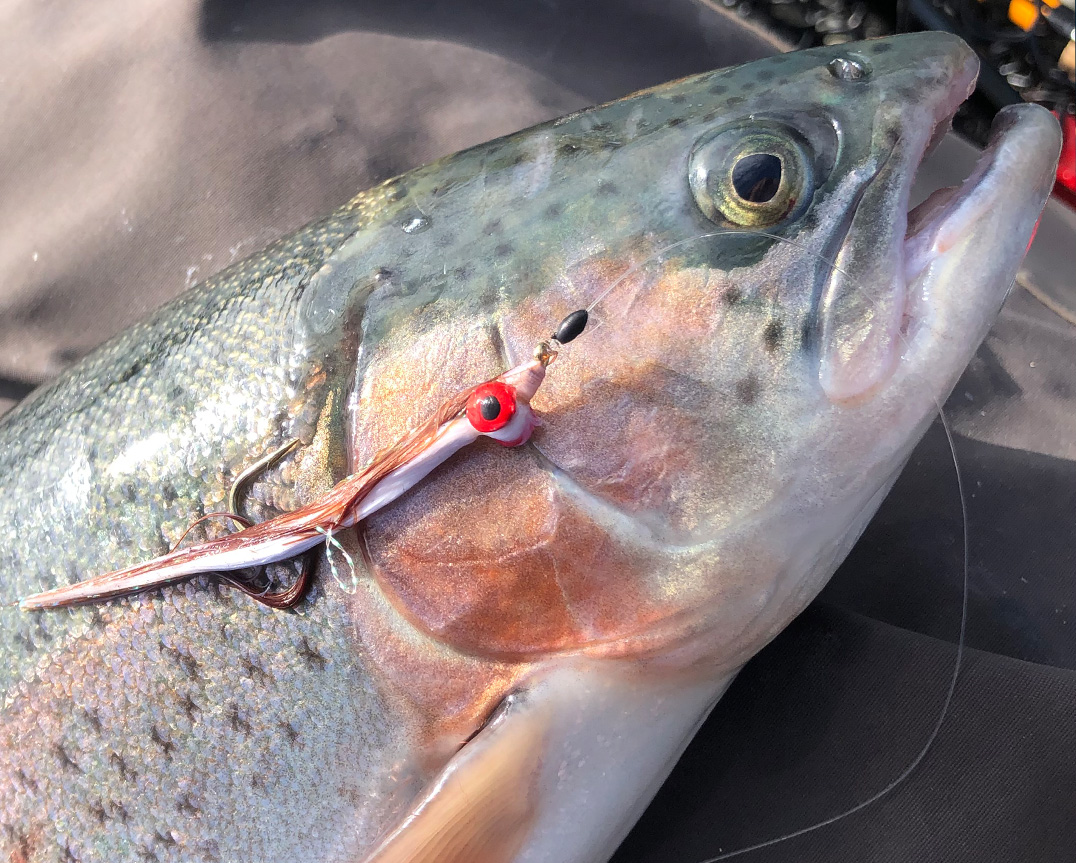
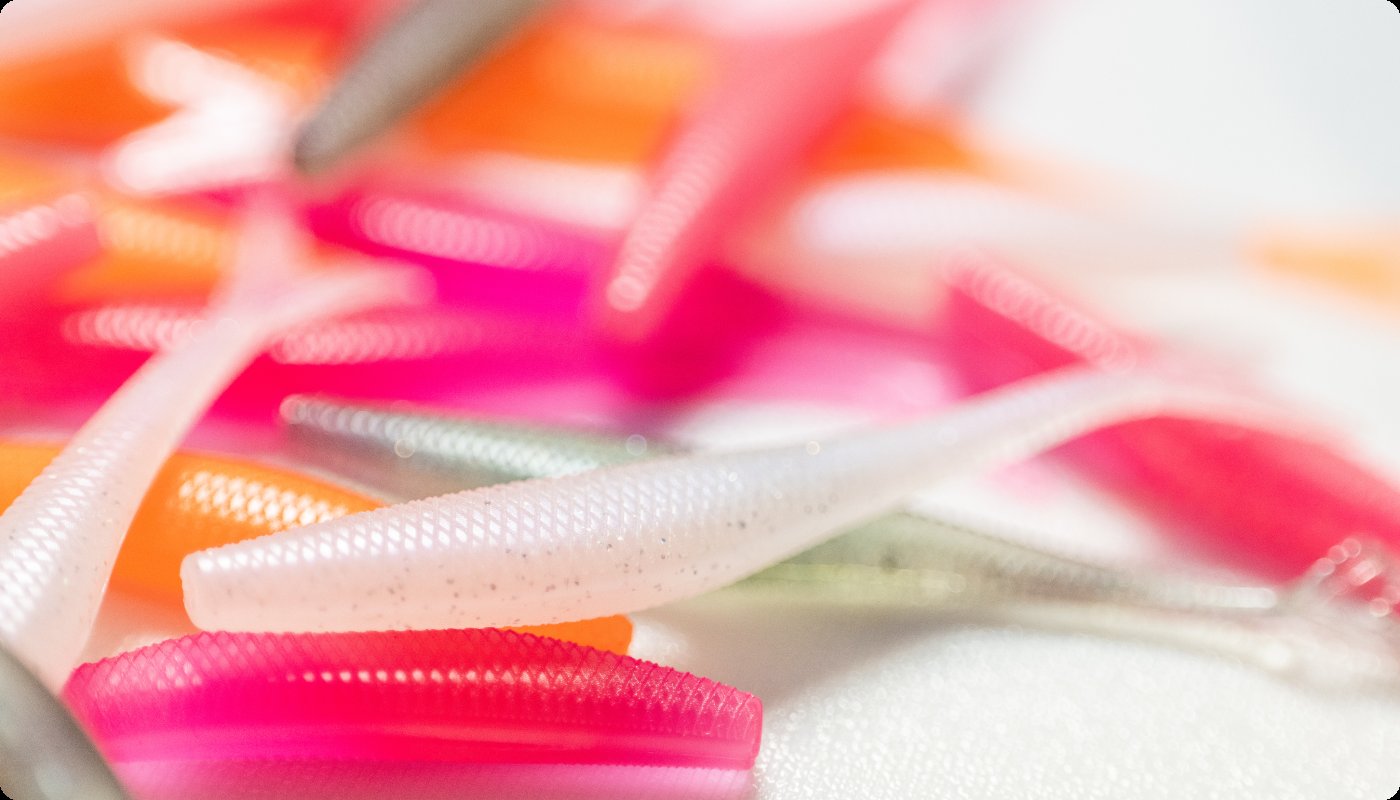
Slow down when the fast bite dies, when conditions go glassy and bright, or when fish are lethargic after a front. Drop to about 1.8 to 2 mph and downsize to a compact Pinhead Spoon, or switch to a threaded worm, a Trix Worm, or a fly. Slather soft plastics in Trigger Scent to help light biters commit.
What is the pinhead spoon's speed range?
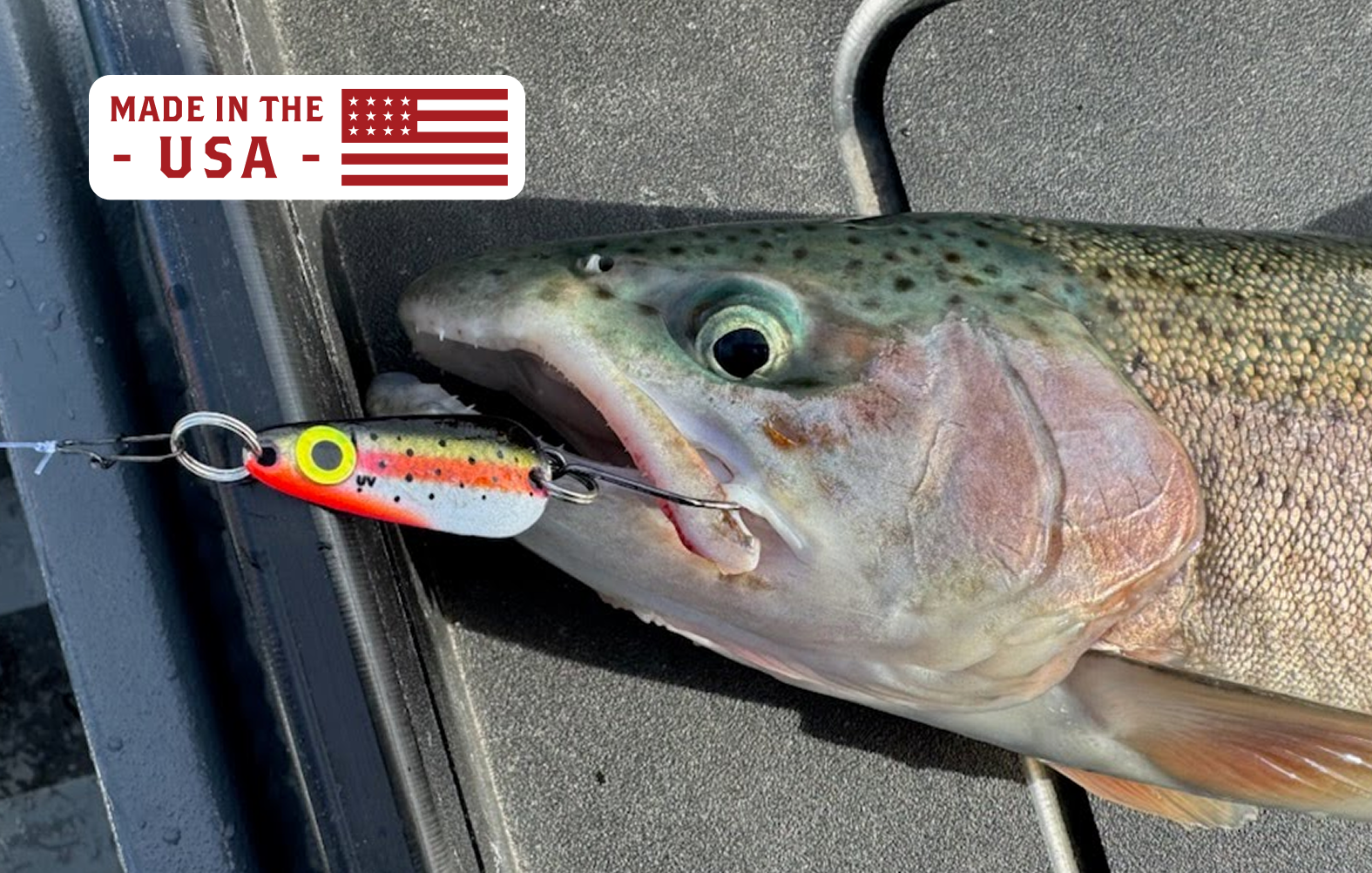
The Pinhead Spoon is unusually versatile. It starts kicking at about 1.6 mph, works well at 1.8 to 2 mph, and holds a crisp action past 3 mph without rolling or twisting. That lets you keep a fast troll while showing finicky or pond-smelt-focused fish a small profile. Cal took a fine rainbow on a copper pinhead at 2.7 mph, 175 feet back, 2 feet deep.
Do all the lures in my spread need to match speed?
Yes. Speed compatibility matters. You cannot run a fast plug on one rod and a slow willow-leaf dodger and worm on another, because at 3 mph the willow leaf just spins and twists your line. Match every rod in the spread to the same troll speed so all your presentations work at once.
What surface temperature brings trout shallow enough to fast troll?
When the surface is 65 to 67 degrees or cooler, you can count on some rainbows just under the surface chop and tight to the shoreline, as long as it is not glassy or bright. Those shallow, aggressive fish are prime targets for a fast-trolled spoon or plug beating the banks.
Watch the technique
Trolling speed for trout FAQ
Neither is always better. Start fast to find aggressive fish and cover water, then slow down and downsize when the bite dies. The best anglers match their speed to the mood of the fish rather than trolling one pace all day.
Power trolling generally means 2.5 mph and up, often right around 3 mph. That speed triggers reaction strikes from aggressive, baitfish-eating trout and lets you cover the most water to locate fish.
A post-lunch breeze and whitecaps break up the surface and make trout feel safe moving up and toward structure. Many anglers quit when it gets choppy, but inching the speed up to 3 mph with a spoon or plug in that wind can produce the biggest fish of the day.
Copper is an under-fished standout that turns on big predators, whether trout or landlocked kings. Cal often out-fishes chrome with copper on the Speed Spoon. On baitfish lakes, shad-like dark-over-light patterns also close deals at speed.
The aggressive window closed, often as the light came up or the wind laid down. Fall back off structure, slow to about 1.8 to 2 mph, and downsize to a pinhead spoon or a finesse worm. If the wind returns in the afternoon, go back to the fast troll where you started.
The Pinhead Spoon comes close. Its compact profile and crisp action work from 1.6 mph up past 3 mph, so it bridges a slow finesse troll and a fast power troll better than a big speedy-shiner-style spoon that needs speed to work.
- Speed Spoon 2.5" - Power Trolling Spoon
- Trigger Spoon 2.25" - Trout & Landlocked Salmon
- Pinhead Spoon - Kokanee & Trout Trolling Spoon
- Optimizer Size 3 - Trout & Salmon Trolling Spoon
- Metal Head Fly - Trophy Trout Trolling Fly
- Fast Troll Spoon System
- Trix Worms 3" - Trout Soft Bait
- Trigger Scent UV Gel by Cal Kellogg