
Late May is a unique time for trout fishing. At Collins Lake, we’re currently in that "spring transition"—shifting from early spring patterns to late spring conditions. On a recent trip with some of my regulars, Richard and Ron, and a new friend, Matt, we faced some tricky conditions that required a finesse approach to land the big ones.
If you’re heading out soon, here’s the breakdown of what’s working and how we landed a massive trophy rainbow even when the bite felt slow.
The Conditions: Understanding the Transition
As of May 20th, surface temperatures have been fluctuating. A recent wind event actually dropped surface temps by about 3 degrees, sitting around 70°F in the morning. When the water starts warming up, trout move down. Earlier in the week, they were at 20 feet, but with the temperature shift, we had to start from zero and work the water column to find where they were most active.
The Strategy: Spread 'Em Out
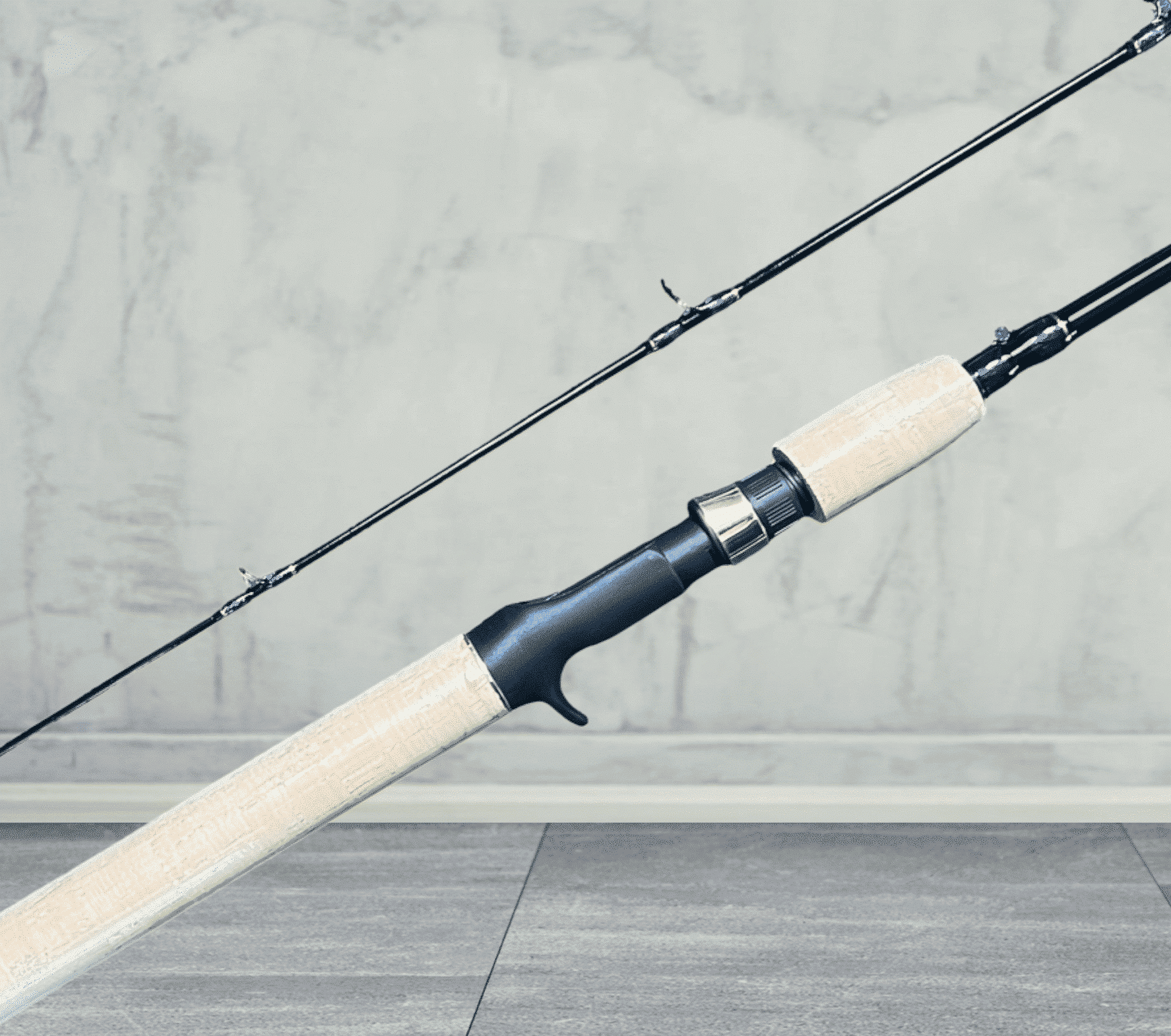
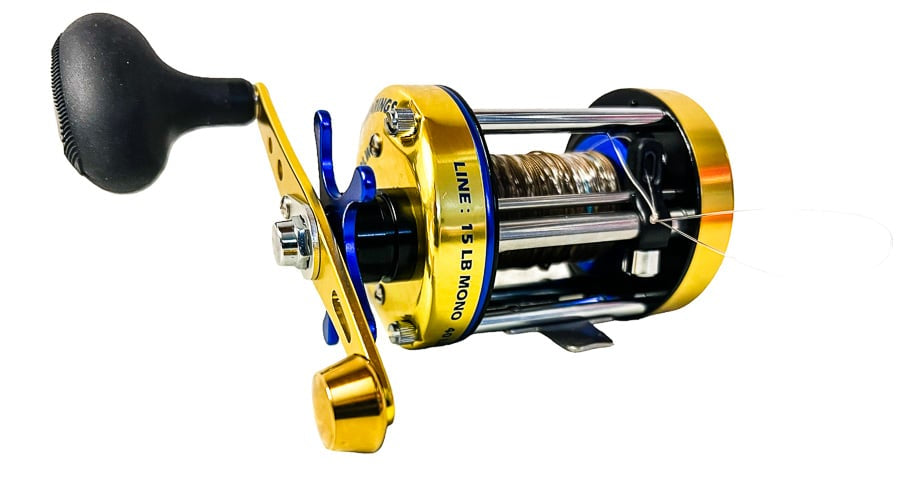
When the bite is neutral, I like to run a variety of rigs to see what the fish are responding to. Our setup included:
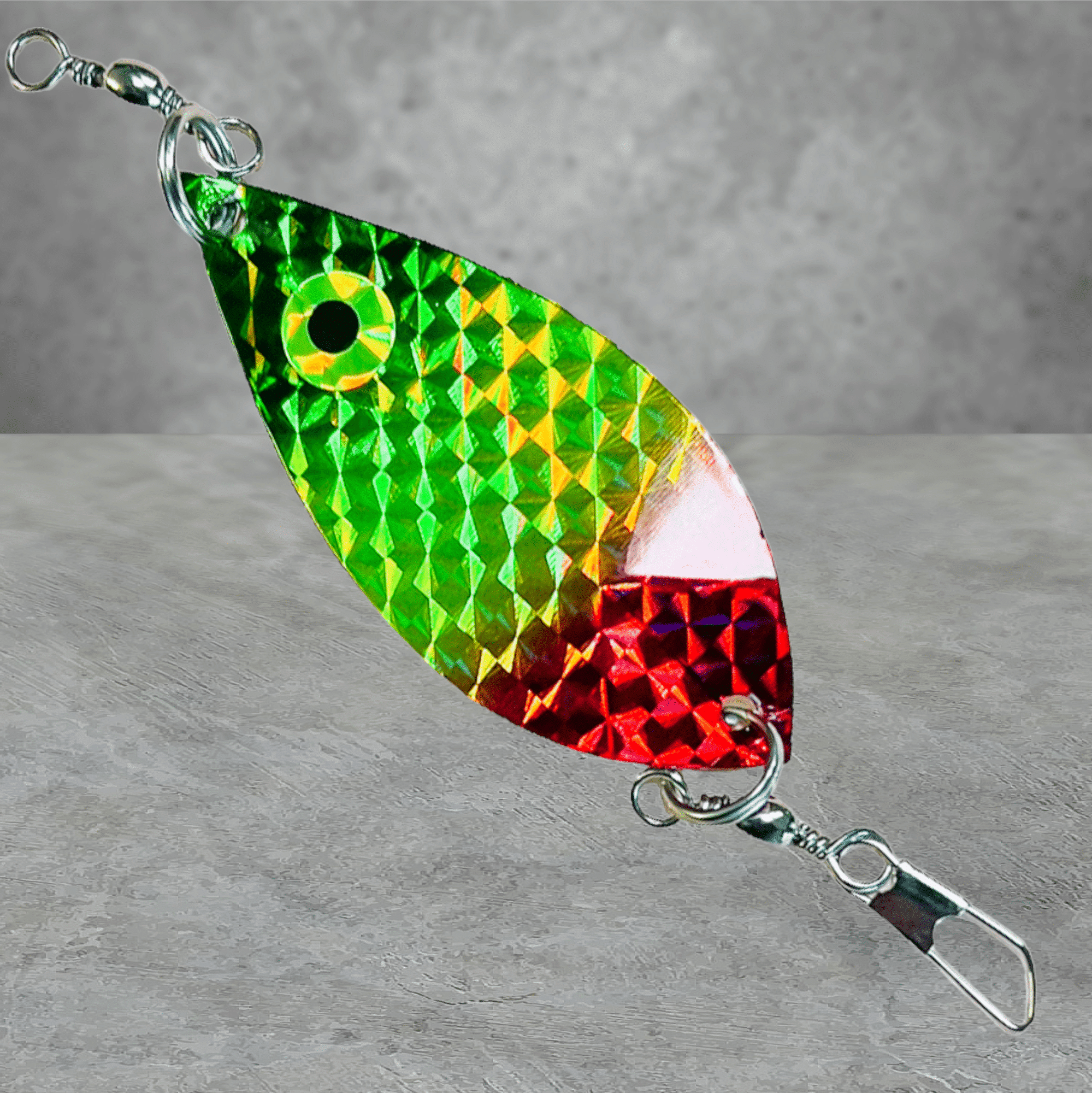
- Side Planers with Lead Core: We ran a spoon on three colors of lead core behind a sidewinder side planer. This gets the lure about 12-15 feet deep and out of the boat's footprint.
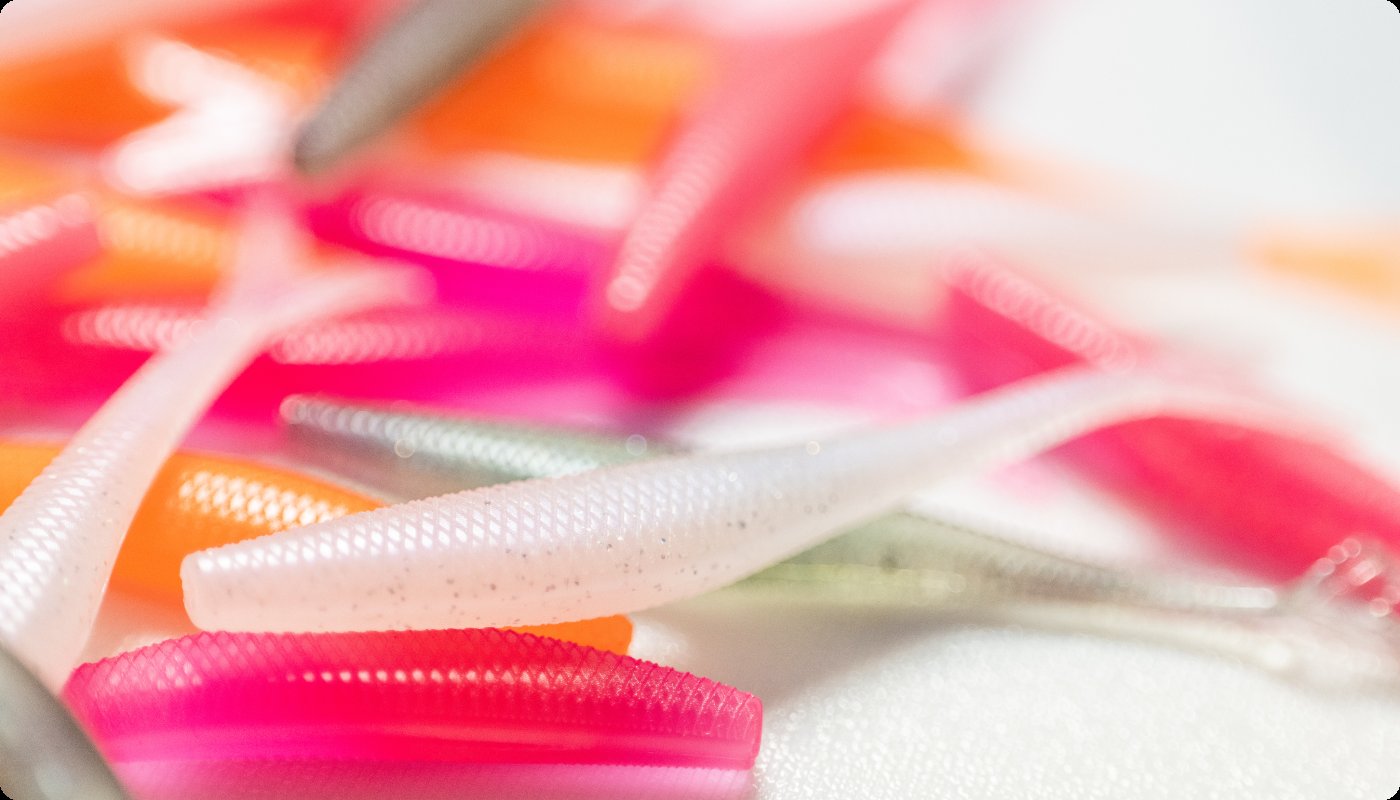
- Downriggers: We kept these at about 20 feet using Trout Tricks worms in high-visibility colors like pink and orange.
- Divers & Middle Rods: We also ran divers off the bow and a middle lead core rod with an orange minnow.
The "Finesse" Secret: Small Lure, Big Fish
One of the biggest takeaways from this trip is that you don't need a giant lure to catch a giant fish. In fact, when fish are in a neutral mood, a small, unimposing lure often works best.
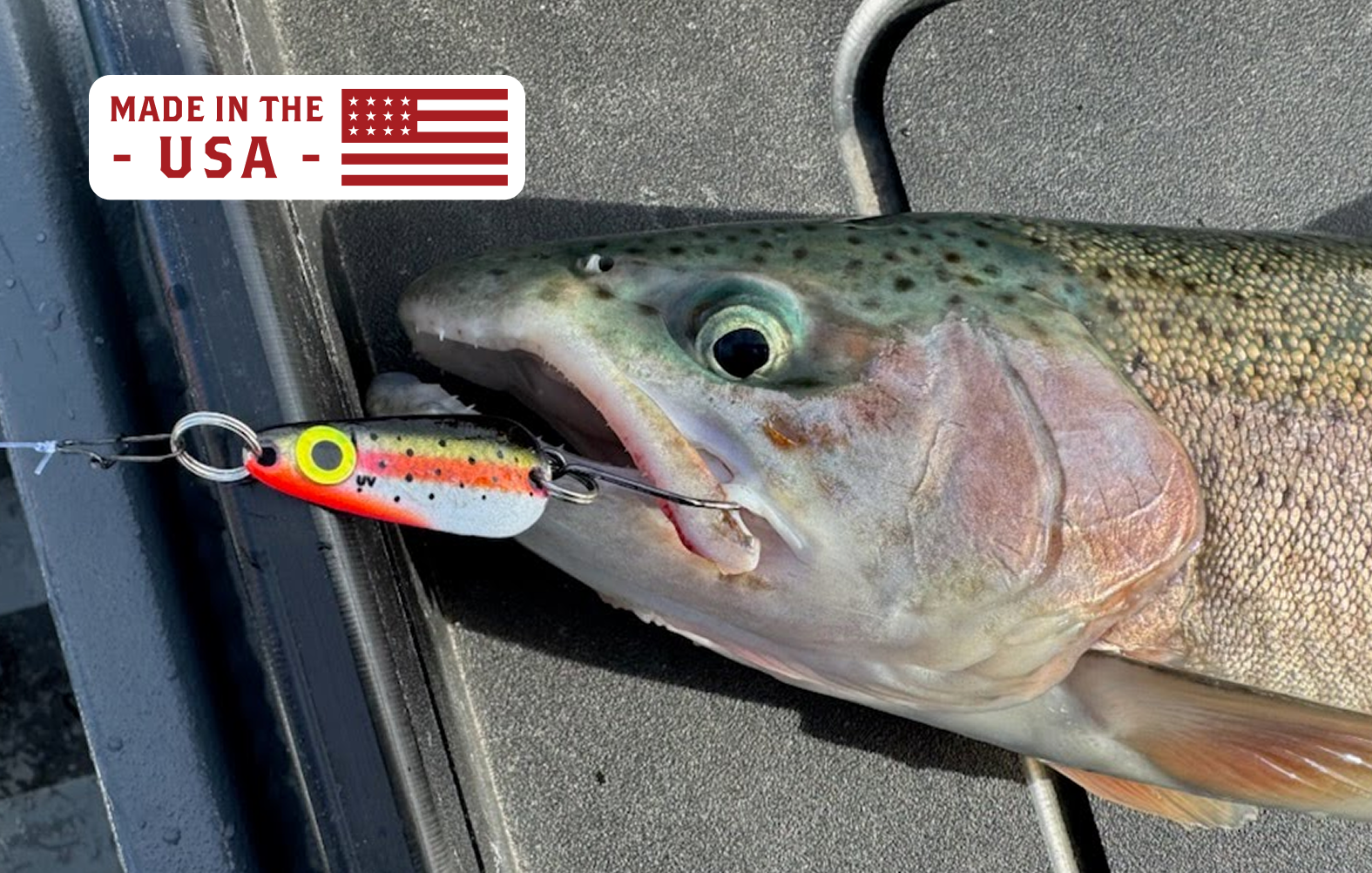
Our biggest catch of the day—a beautiful 7-9 lb rainbow—hit the smallest spoon I have: a micro trigger spoon (orange top, silver back). Even with a tiny J-hook, we were able to land this beast by working together as a team and keeping the rod low to maintain tension.
Pro Tip: Rigging for Tentative Fish
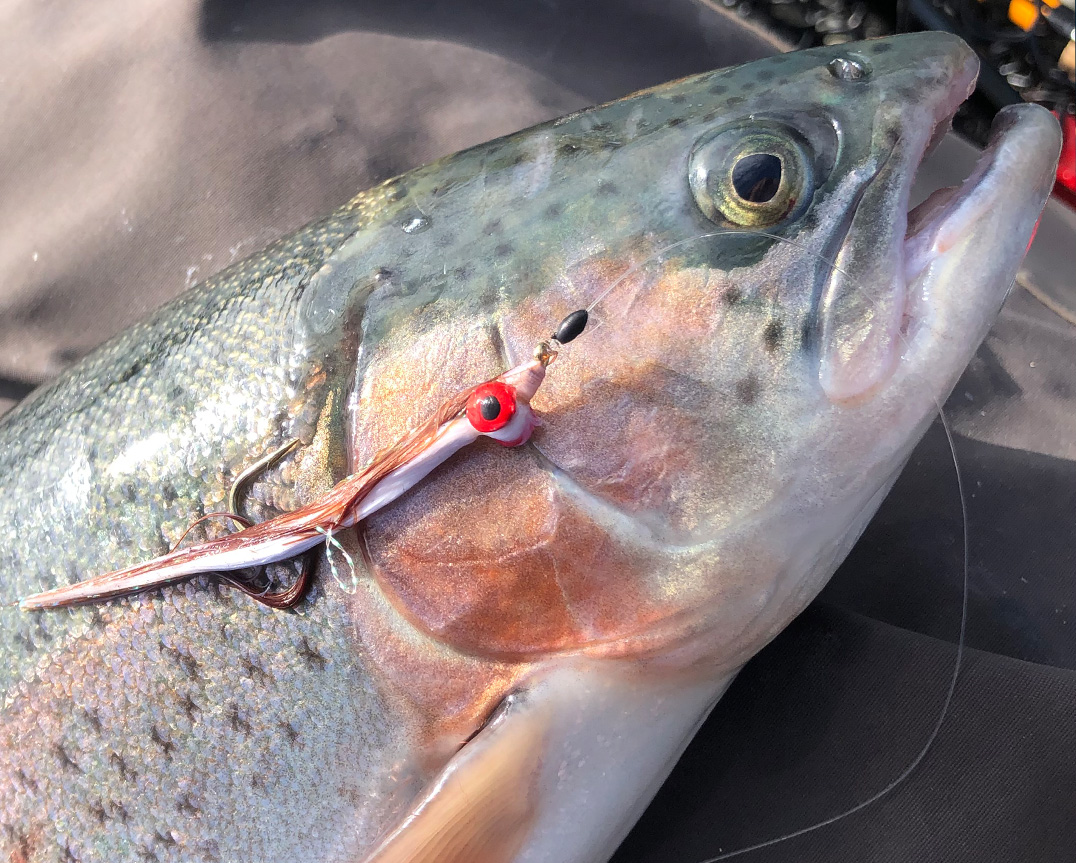
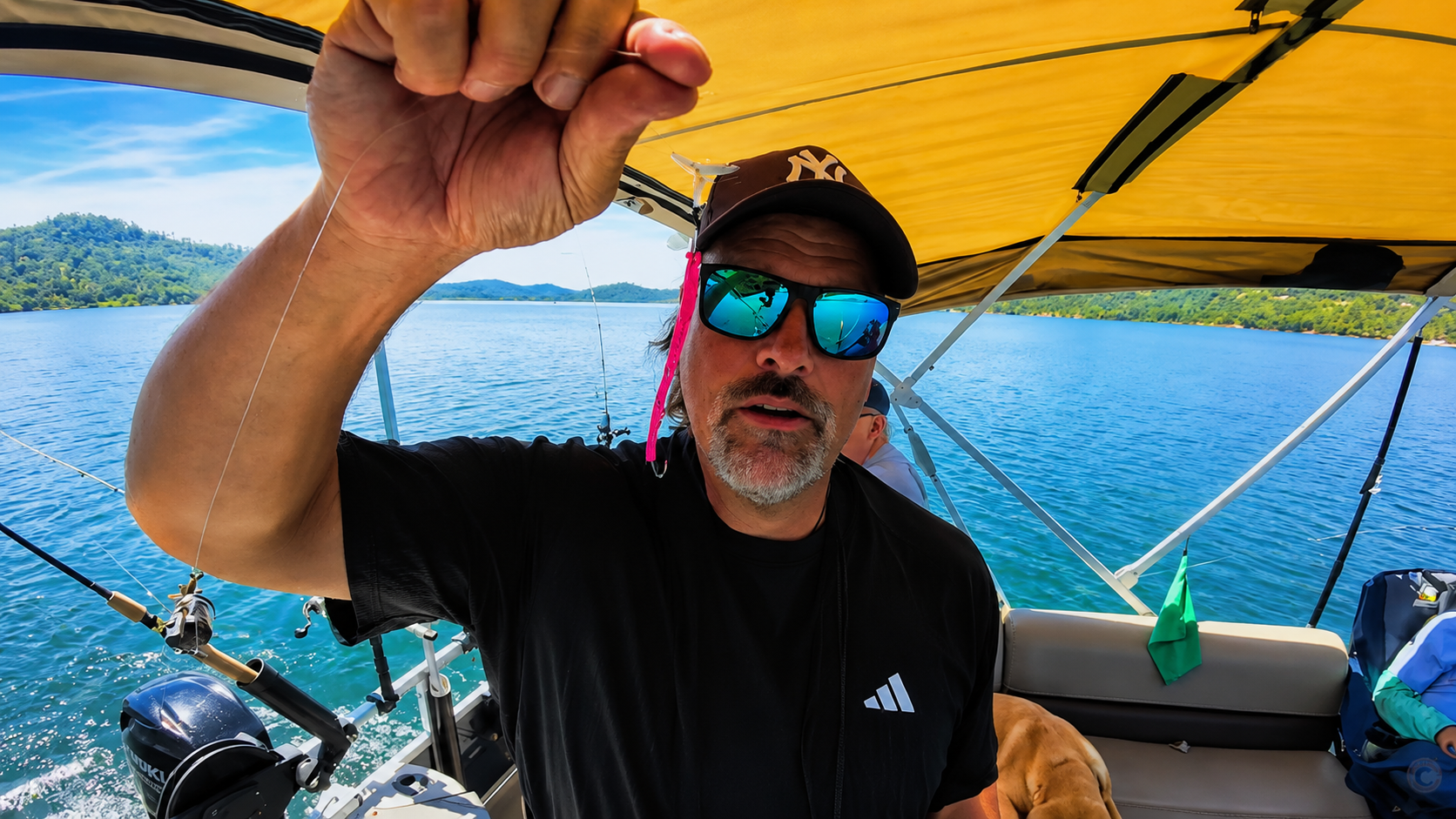
If you find that fish are nipping at the tail but not committing, try this rigging trick with your soft plastics:
- Insert the hook into the nose of the worm.
- Thread it about halfway down (1 to 1.5 inches).
- Pop the point out and slide the worm up the shank so the hook is actually exposed and sitting further back.
- This ensures that even a "short strike" results in a solid hookup, often looping right around the lower jaw.
The Mindset: Fish on Faith
It was a slow day overall—we only landed a handful of trout and one bass—but we didn't give up. Fishing in late May requires patience and teamwork. By staying on the water and trusting the gear, we executed when the big hit finally came.