

Winter fishing isn’t always about perfect conditions and easy access. Sometimes, it’s about following the road—whether it’s paved or not—and seeing where the adventure leads. That’s exactly how this trip began.
Getting There Is Half the Story
The crew set out for a winter fishing mission that was supposed to be a simple drive—but quickly turned into a backcountry adventure.
Fresh snow, mountain roads, and a questionable Google Maps route led deep into the high Sierras. After nearly getting stuck and realizing not every “road” is boat-friendly, the group finally found their way—about 37 minutes from Gold Lake and just a little late. But when winter fishing is this good, the journey is always worth it.
Gold Lake Winter Fishing at 6,400 Feet
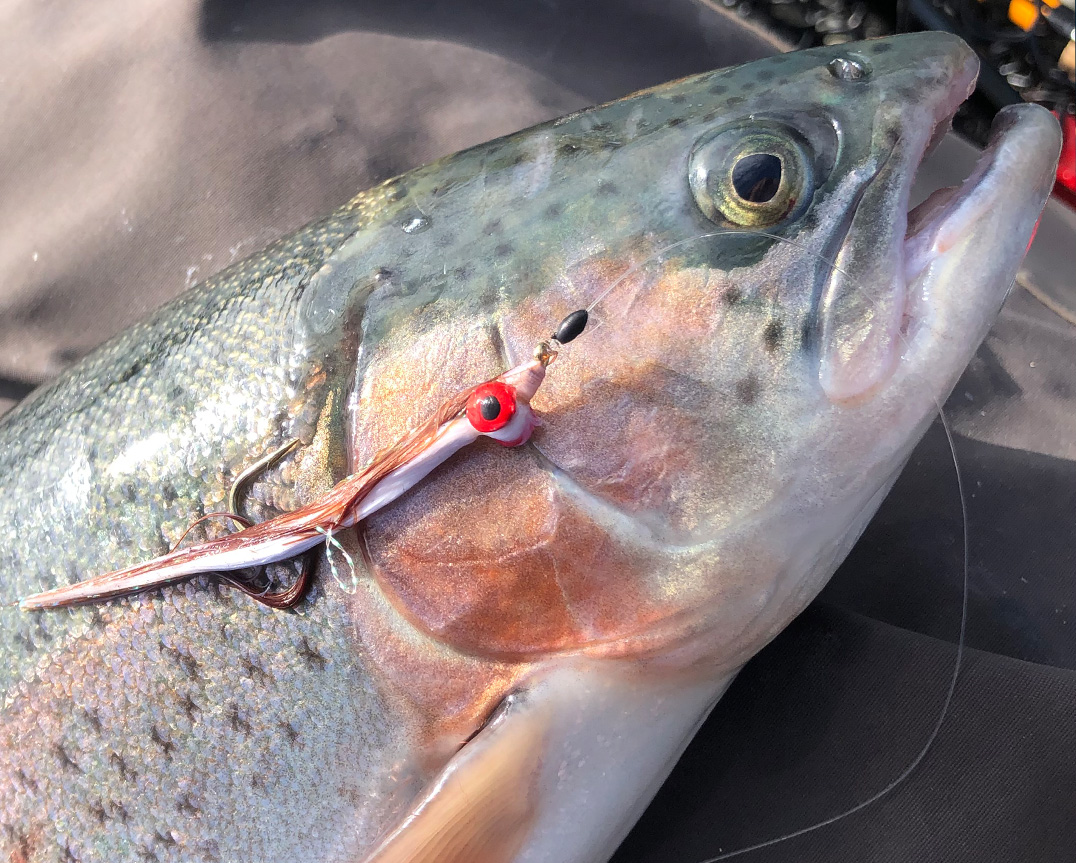
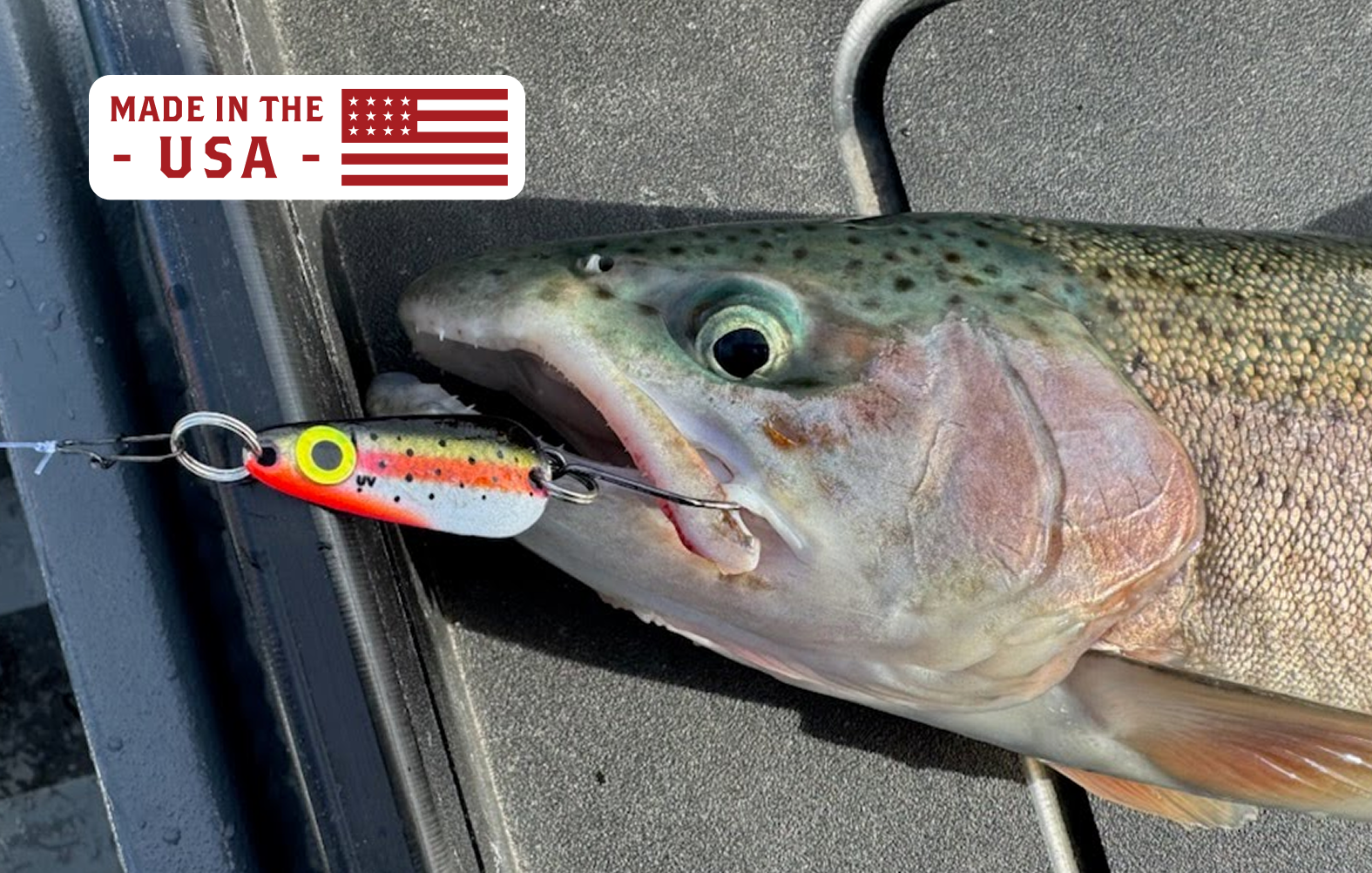
Perched at roughly 6,400 feet elevation, Gold Lake delivered everything winter anglers dream of. The group wasted no time getting into fish—rainbows, browns, and mackinaw (lake trout).
Unlike typical winter trolling, this day was all about ultra-light tackle casting. No downriggers, no trolling passes—just light spinning gear, soft plastics, and precise presentations.
And the results? Fish after fish, including double-digit brown trout pushing well into the 12–15 lb range.
Understanding Structure: Where the Big Fish Live
One of the keys to success at Gold Lake was understanding underwater structure.
Along the willow-lined shore, shallow flats of 6–8 feet dropped abruptly into darker green water—signaling deeper zones. These drop-offs act like highways for trout and mackinaw. Fish cruise the deep water while watching the shallows for:
• Minnows
• Aquatic insects
• Anything that falls off the shelf
By casting parallel to the edge, the crew stayed right in the strike zone—and the fish responded aggressively.
Plastics That Flat-Out Worked
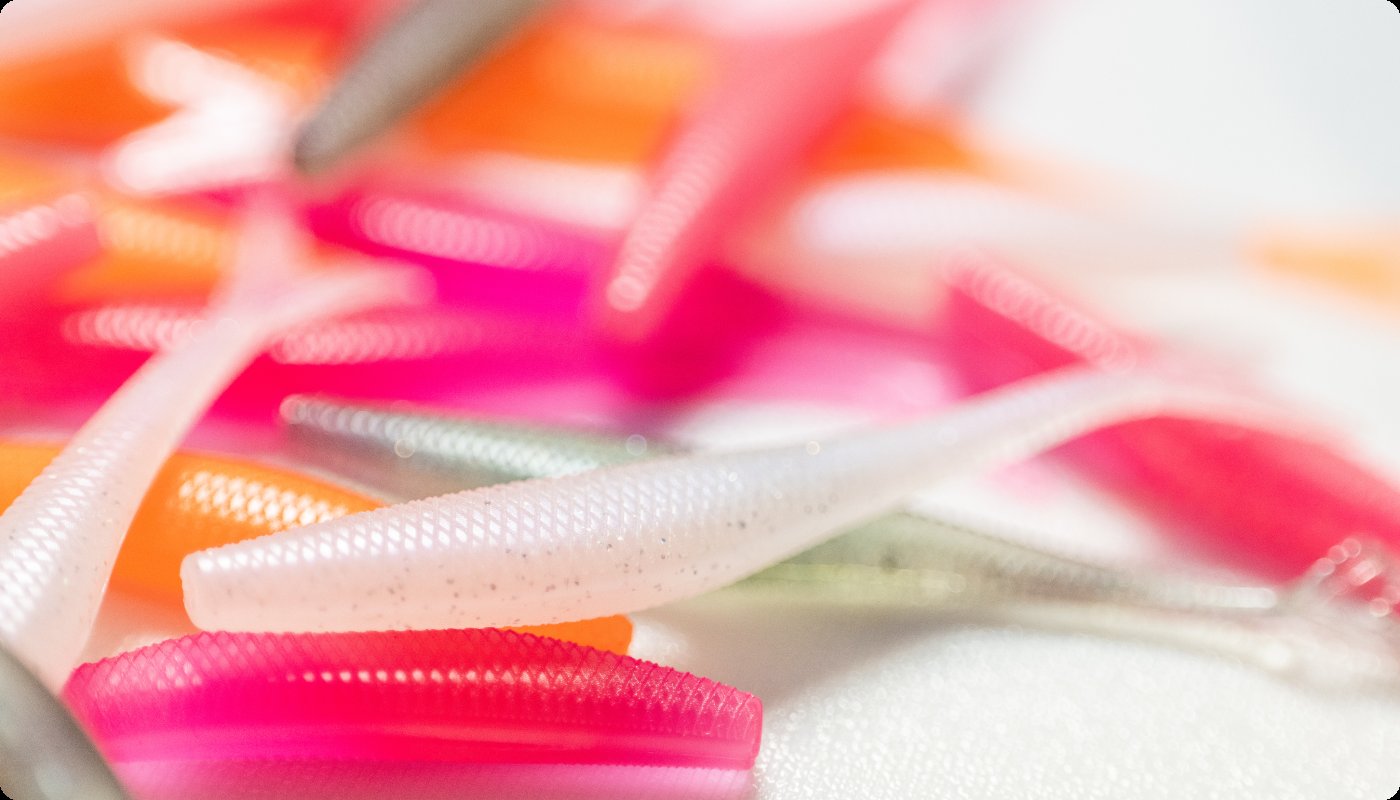
Plastics played a massive role in this trip. Trout and mackinaw were hitting nearly everything, but a few stood out:
• Bright orange plastics (even without matching natural forage)
• Bug-style plastics
• Multiple color variations to dial in the bite
Soft plastics shine in cold water because they feel natural, move realistically, and fish tend to hold onto them longer—giving anglers more time to set the hook.
How to Rig Plastics for Trout Casting
Proper rigging made all the difference.
• Thread the plastic straight through the nose
• Bring the hook out cleanly near the tail
• Seat the bait snug against the jig head collar
• Make sure the bait is perfectly straight—not twisted or bunched
A straight bait swims naturally and looks like a real aquatic insect crawling along the bottom.
The Casting Technique That Triggered Bites
The casting method used on this trip was simple, effective, and deadly.
Step-by-step approach:
• Cast into deeper water (10–30 feet is ideal)
• Let the bait sink 10–15 seconds to reach bottom
• Keep the rod tip low
• Pop the jig 3–5 short times to make it “buggy”
• Reel just enough to keep the line tight
• Pause occasionally and watch the rod tip
Most bites weren’t aggressive strikes—you’d feel the fish mouthing the plastic. When that happened, a smooth sweep set the hook—no need for a big hookset.
Light Tackle, Big Power
Using 4 lb test line on light spinning gear, the crew battled some serious fish. Browns and mackinaw dug deep, bulldogged the bottom, and tested every knot in the system.
One massive mackinaw showed just how aggressive these fish are in winter—its stomach revealed multiple trout, proving why slightly larger baits can sometimes be the right call.
Why Winter Casting Works
As mackinaw prepare to spawn, they move shallower and become more accessible. Browns and rainbows follow structure and feed heavily in cold water when presentations are slow and precise.
Winter casting isn’t common—but when done right, it can be absolutely lights out.
Final Takeaway
This trip to Gold Lake was a reminder of what fishing is really about:
• Adventure
• Learning
• Trying different techniques
• Trusting your gear
From questionable mountain roads to giant trout on light tackle, winter fishing doesn’t get much better than this.
Stay tuned for more tactics, gear breakdowns, and on-the-water adventures from the Catch America Team.