
How to Fish for Trout After a Storm or Front
How to catch trout fishing after a cold front, with slow speeds, flash, and heavy scent in muddy water.
After a storm, lakes run high, muddy, and cold, so power trolling stalls and you must adapt. Slow to about 1.5 mph, put out maximum flash and vibration, and load up on scent. Cal Kellogg threads a nightcrawler on a slow death hook behind a big dodger, then slathers it in Trigger Scent and fishes it 5 feet deep. Fish the leading edge of a front for the best bite, and expect a tough, lethargic bite behind it on the north wind.
How do storms change trout fishing?
Storms push lakes up several feet, muddy the water, and cool the surface as wind and upwelling mix things. That makes trout lethargic and kills a fast power-trolling bite. You can still catch fish, but you have to adapt your presentation to the cold, dirty, low-visibility conditions.
Should I fish before or after a front?
Before. An approaching front and falling barometer usually fire up the bite, since trout instinctively feed hard before the weather shuts them down. A retreating front brings a north wind and rising barometer that makes fish lethargic. Fish the leading edge of a front, not the back side.
How should I present baits in cold, muddy water?
Slow way down, to about 1.5 mph, and put out maximum flash and vibration to grab attention in low visibility. Cal runs a big bright dodger with a nightcrawler on a slow death hook 22 inches behind, all soaked in Trigger Scent, fished 5 feet deep.
What was Cal's best post-storm rig?
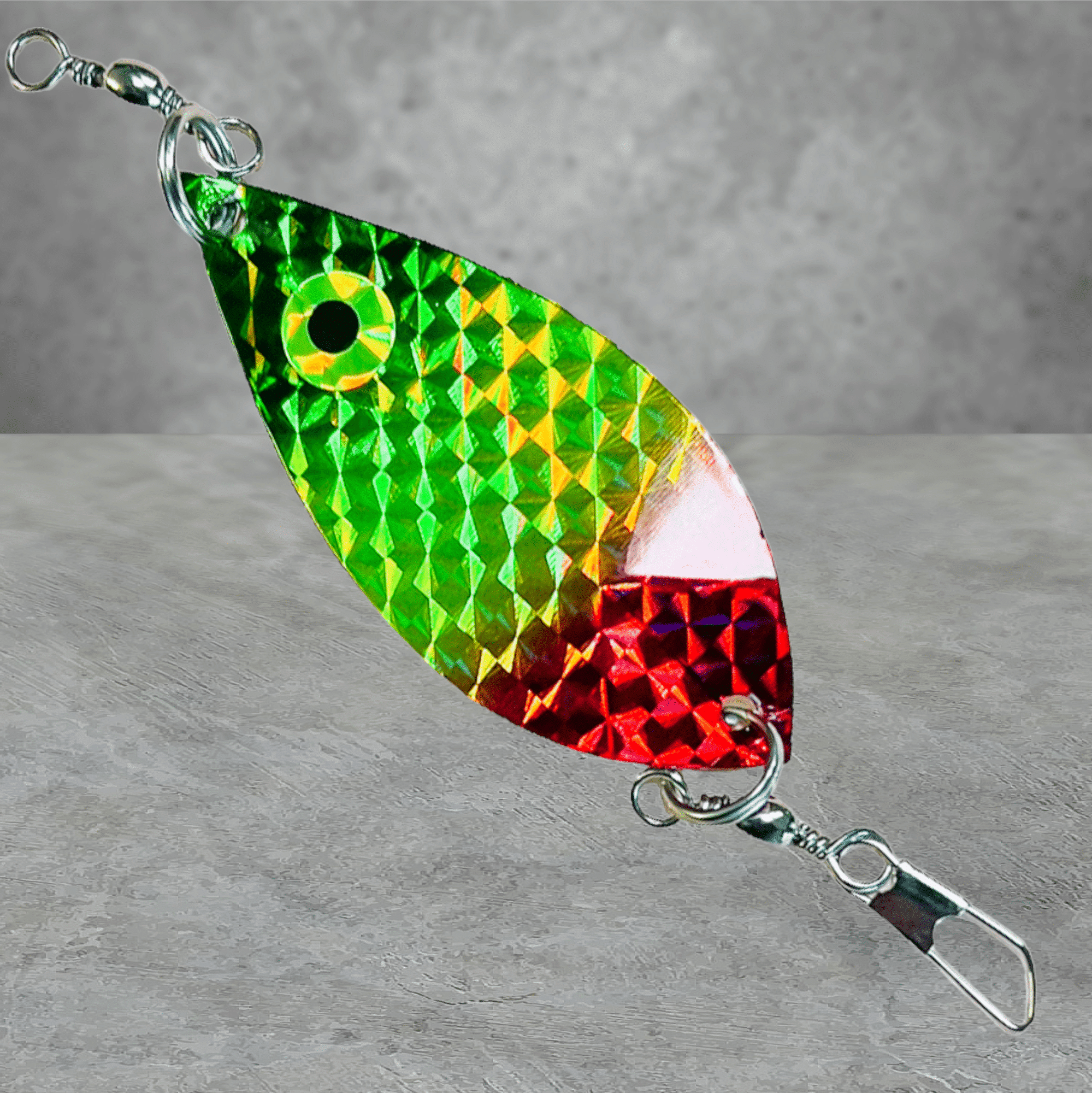
A big bright dodger with a slight cup in the blade so it works at slow speed, trailing 22 inches of 10 pound fluorocarbon to a slow death hook. He threaded a nightcrawler, tipped it, and slathered the whole rig in garlic and anise Trigger Scent, trolled 5 feet deep.
Does a scented grub work after a storm?
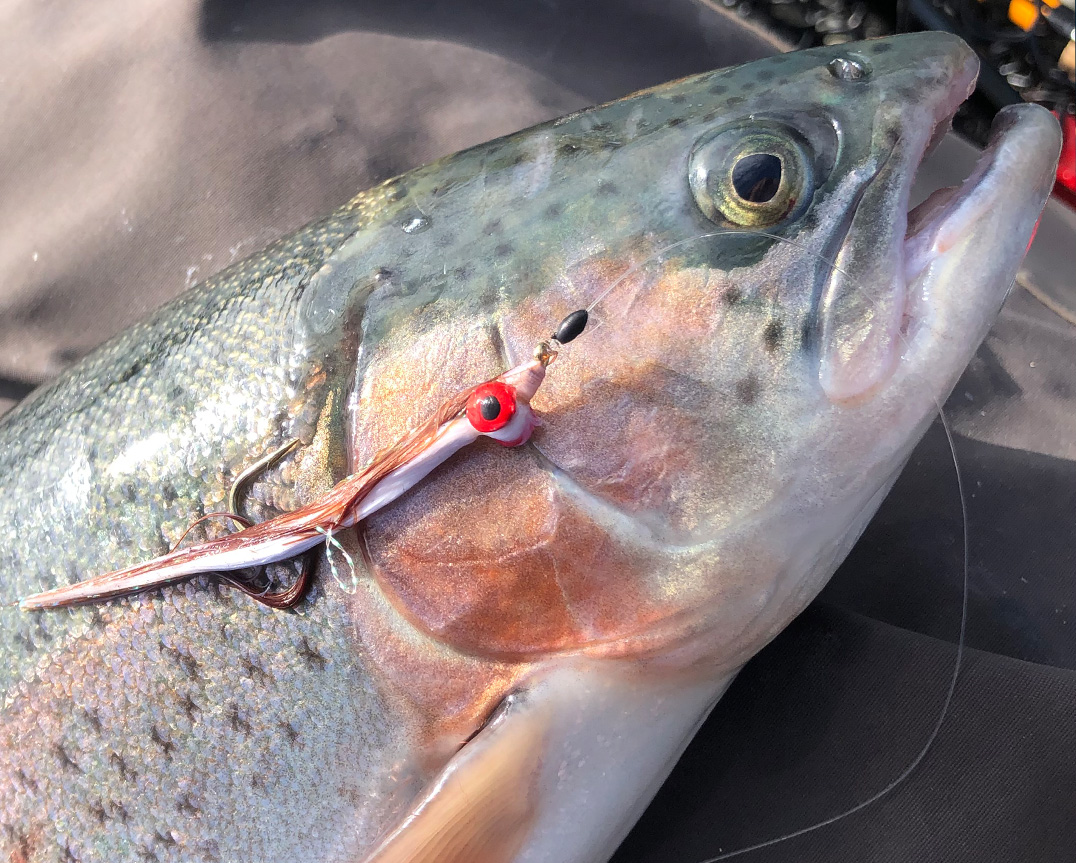
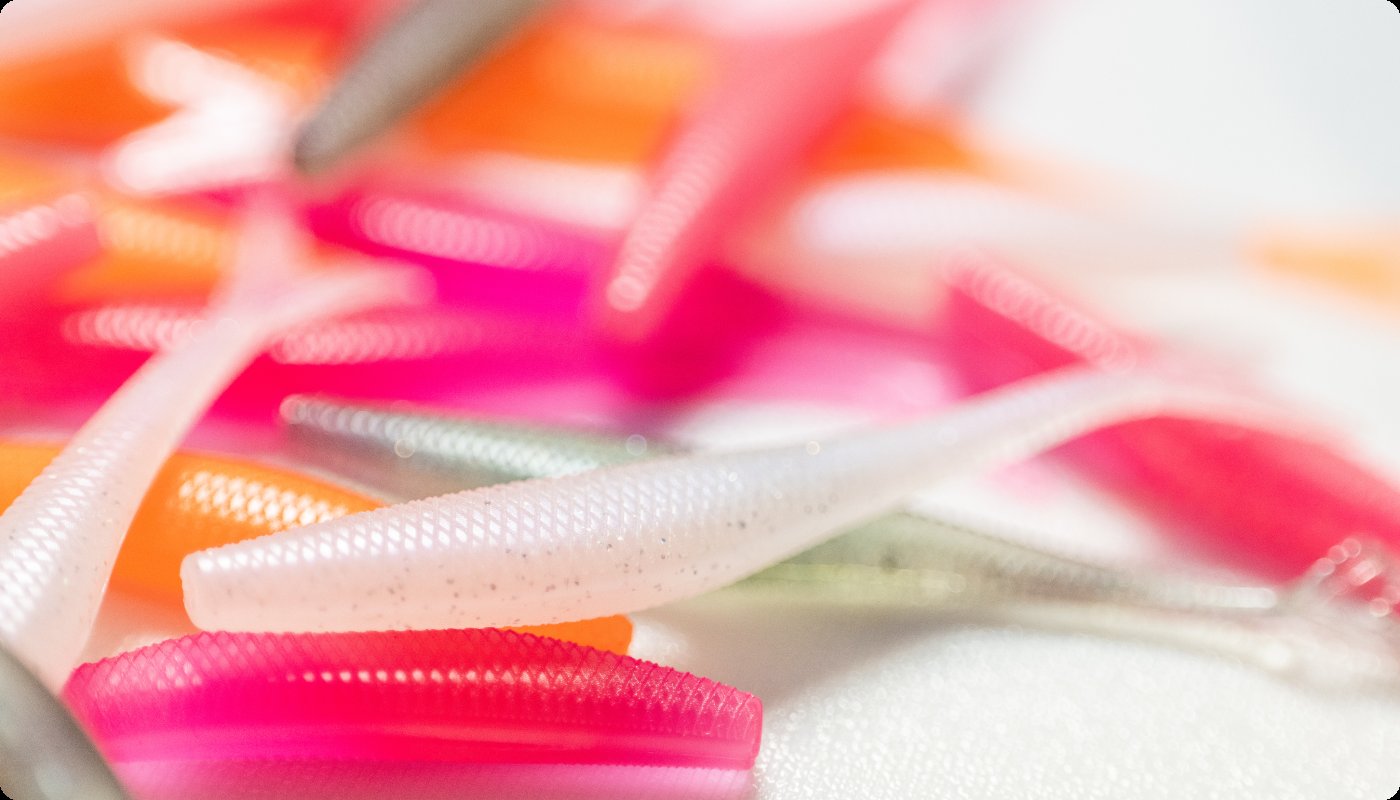
Yes. Cal's grub rig produced the biggest fish of the week. He ran a Turbo Flasher ahead of a white glow grub on a slow death hook about 22 inches back, drenched in Trigger Scent. The flasher wakes fish up and the scented grub closes the deal.
How deep should I fish after a storm?
Shallow, in the top 10 feet, where the most active fish hold even in dead winter. Cal scatters his lines from about 5 to 12 feet across three leadcore rods, keeping his best offering at 5 feet and running a heavier, weighted rig down around 12 feet.
Does muddy water stop the trout bite?
No. Clarity is not the problem, temperament is. Cal regularly catches trout in stained, muddy post-storm water with 2 to 3 feet of visibility. Trout find food by feel and scent, so a slow, scented, high-vibration offering still draws them in.
How does the north wind affect trout?
The old saying is the north wind blows the bait out of a fish's mouth. A post-front north wind and rising barometer make trout lethargic and hard to catch. Be patient, grind areas showing fish, slow down, downsize, and lean hard on scent to pull a few fish out.
Watch the technique
Trout fishing after a storm or front FAQ
Slow, around 1.5 mph, roughly kokanee speed. In cold, muddy water with sub-50 degree surface temperatures, power trolling makes no sense. A slow, high-flash, scented presentation gives lethargic fish an easy target they can capture with little effort.
At the slow speeds you need in cold water, a flat blade will not kick. Adding a slight cup or bend gets the dodger working and throwing flash and vibration even at about 1.5 mph, which is what draws fish in stained, low-visibility water.
Post-front fish are lethargic and only nip at baits. A heavy dose of scent makes the offering smell and taste like real food, so a fish that comes in tentative holds on long enough to get hooked. Cal layers garlic and anise scent on every rig.
Several feet. Cal has seen lakes come up 6 to 8 feet during a series of storms. While a reservoir is filling but not yet spilling it stays muddy, and it clears fast once it fills and starts spilling clean water through.
He ran three leadcore rods at roughly 5, 10, and 12 feet. The number one offering, a scented threaded worm behind a dodger, sat at 5 feet, while a weighted dodger rig reached about 12 feet on just a color and a half of leadcore.
Yes, if clients want to troll. Cal splits time between trolling midday and bait fishing early and late. You may only land three or four fish, but that beats the power-trolling crowd who get skunked by refusing to adapt.
Cal often adds a garlic dough egg on the head of the bait for extra scent, though he found the egg did not always matter. The key ingredients are slow speed, a flashing attractor, and real meat drenched in scent.