
How to Use a Downrigger for Trout & Salmon
How to use a downrigger for trout and salmon: clip setup, braid vs cable, fall depth strategy, and the dropper-line hack.
Part of the Trout Trolling cluster: Start with the How to Troll for Rainbow Trout: Complete Guide, then use this spoke to dial in the specific setup.
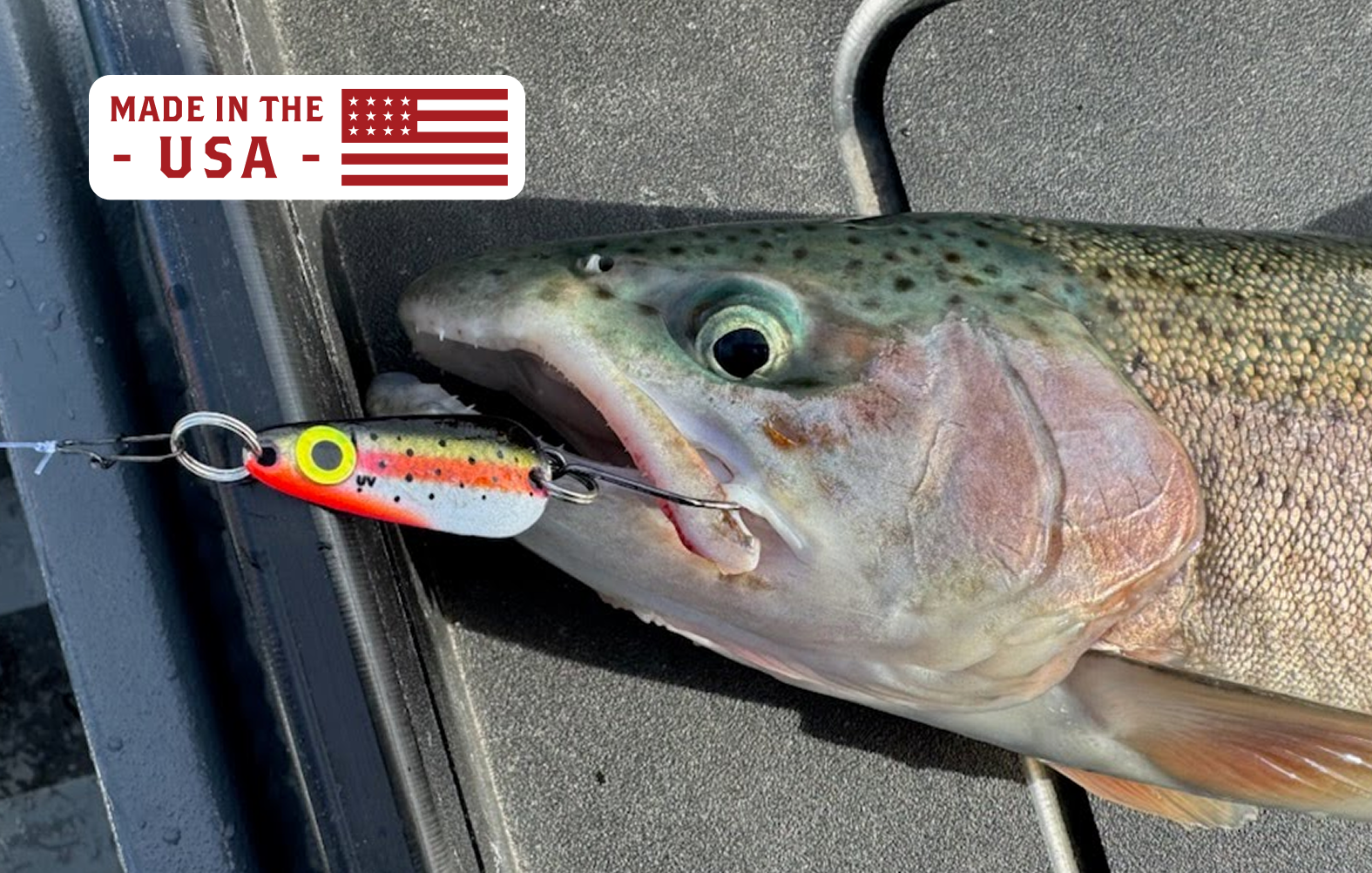
Run your downrigger right and it puts spoons, flies, and soft plastics in front of deep trout and salmon. Set the rod with a light bend, not banjo tight, so you can see bites. Bury the line well back in a small Scotty clip. Spool braid instead of cable for stealth and safety. In fall, do not drag it over deep water. Trout move shallow, so troll the banks. A Pinhead Spoon run clean is a proven downrigger bait.
How do I set my rod in a downrigger?
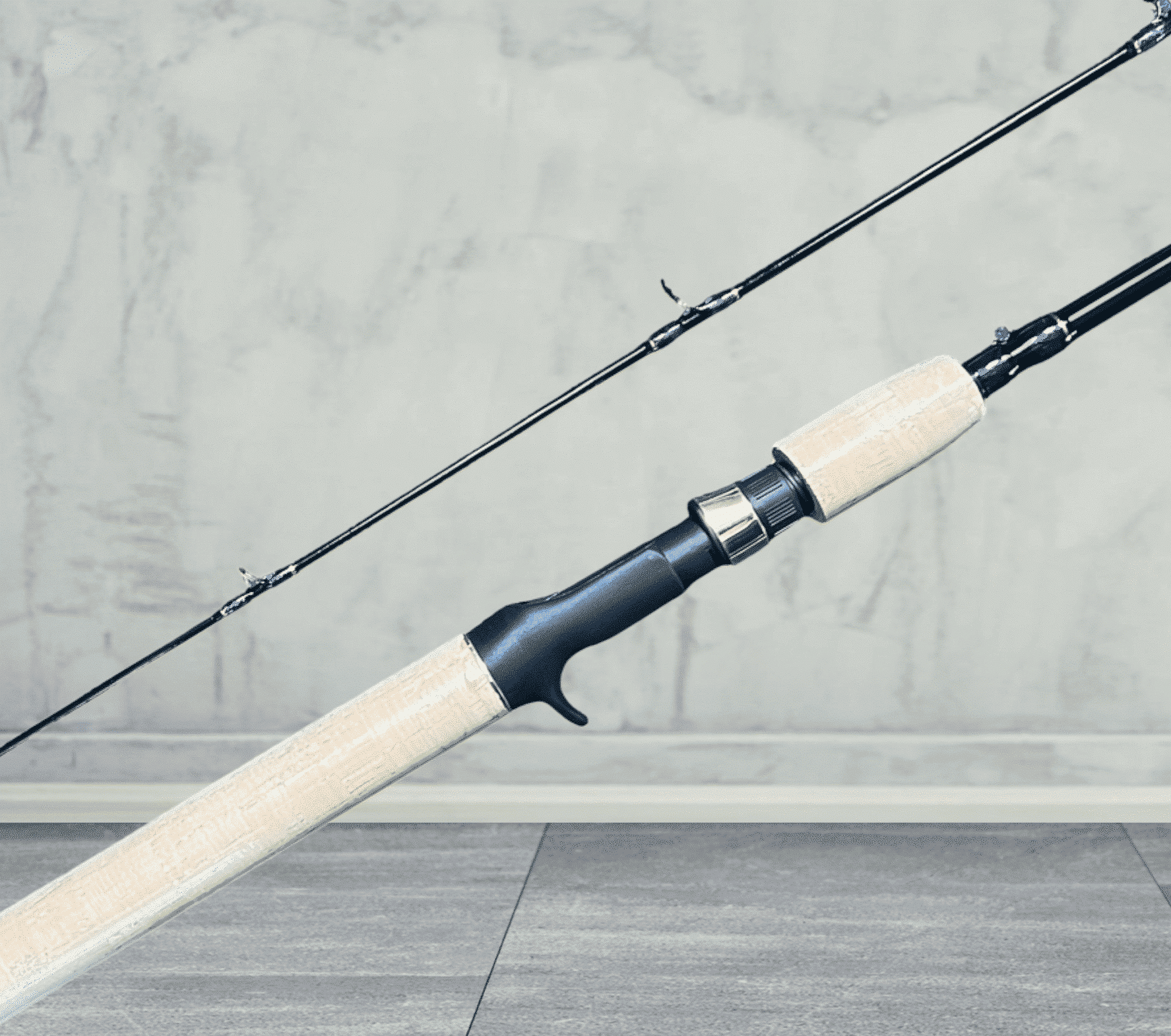
Put a light bend in the rod, not a banjo-tight one. Cal Kellogg wants to see the tip working so he knows when he is getting bites or dragging a small fish. The reel takes out the slack when a fish pops the clip, not the rod, so overloading the tip only hides what is happening down deep.
What downrigger release clip should I use?
Cal Kellogg prefers the smallest Scotty clothespin-style clips for trout and landlocked salmon. He buries the line well back in the clip so it holds, and pops it out by hand when he reels up. About half his fish release the clip on the strike and half do not, which is fine.
Should I run braid or cable on my downrigger?
Braid, by a mile. Cable holds memory, tangles, hums through the water, and is dangerous to cut in a kayak snag. Scotty braid has no memory, is easy on your hands, and cuts free in seconds. If you snag bottom, cut it, tie a palomar knot to your rigging, and you are fishing again in five minutes.
Why are my downriggers costing me fish in fall?
Because you are trolling deep water over inactive fish. In fall the first trout move is up to the surface, then into the banks to chase bait. Cal Kellogg trolls shallow coves and points in 2 to 8 feet with leadcore and top lines instead of dragging downriggers over the channel.
What is a downrigger dropper or trolley line?
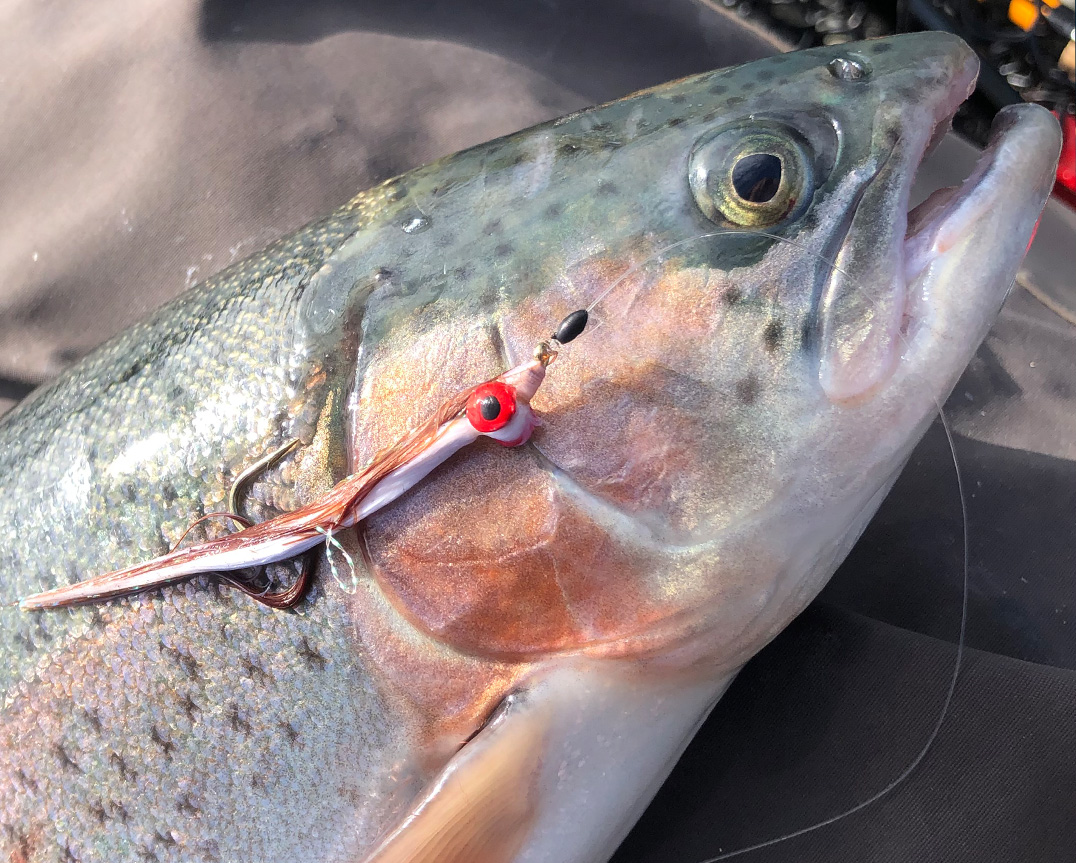
It is a second bait that rides down your main line to double your chances. Cal Kellogg drops a Pinhead Spoon to 30 feet on the downrigger, then clips a snap swivel holding a scented Trix Minnow onto the line. Water pressure walks it to the midpoint of the bow, so it fishes about 15 feet down.
How do I avoid breaking my downrigger?
Do not reel the ball all the way up into the pulley. Cal Kellogg came in hot once, ran the ball into the pulley, and snapped off the weight, snubber, and clip. Slow down as the ball nears the surface, and always carry spare weights, clips, and snubbers so a mistake costs five minutes, not your day.
What lures work best on a downrigger for trout?
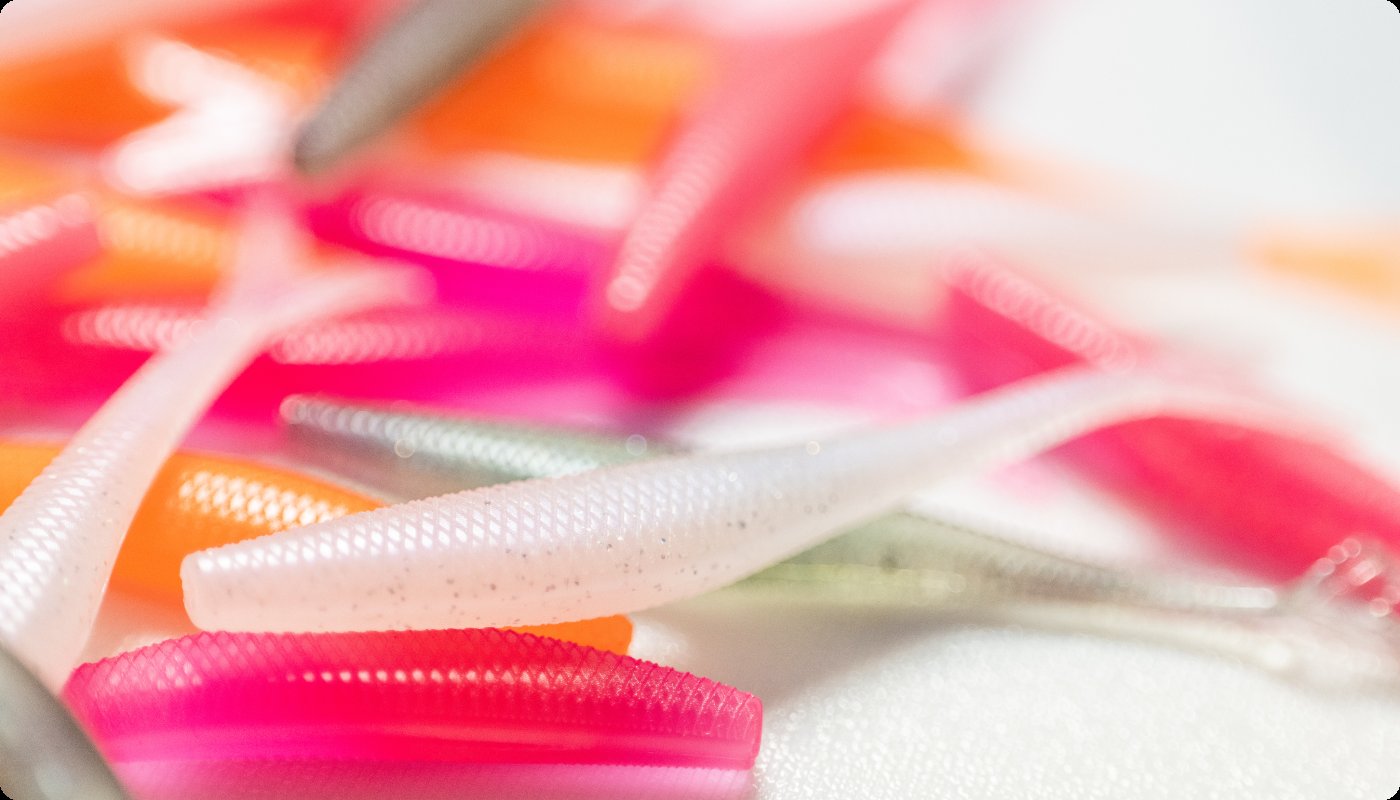
Spoons run clean are the classic choice. Cal Kellogg trolls a Pinhead Spoon for fish keyed on thin pond smelt, and soft plastics like a Trix Minnow for finicky fish. Match the size of the bait, and you often do not need a dodger or flasher at all.
Watch the technique
Using a downrigger for trout and salmon FAQ
Set it just above the depth where you mark fish, since trout look up to feed. On a downrigger you know your exact depth by the counter, which is its big advantage. In fall and winter start shallow, because most active trout hold in the top 10 to 20 feet.
You have probably loaded the rod too tight in the holder. A banjo-tight rod hides light taps and small fish. Set a light bend so the tip can telegraph what is happening. The reel, not the rod, removes the slack when the line pops the clip.
Yes, and it is safer than cable. Stainless cable can flip a kayak if you hang up and cannot cut it fast. Braid cuts instantly, so you lose a weight and some line, grab a spare rigging set, and get back to fishing. Always carry a spare weight and rigging.
The line from your rod tip to the clip bows out from water pressure. A snap swivel clipped to the main line slides to the center of that bow, so a bait set on a downrigger 30 feet down fishes about 15 feet deep. When the clip pops, reel fast to catch up to the fish.
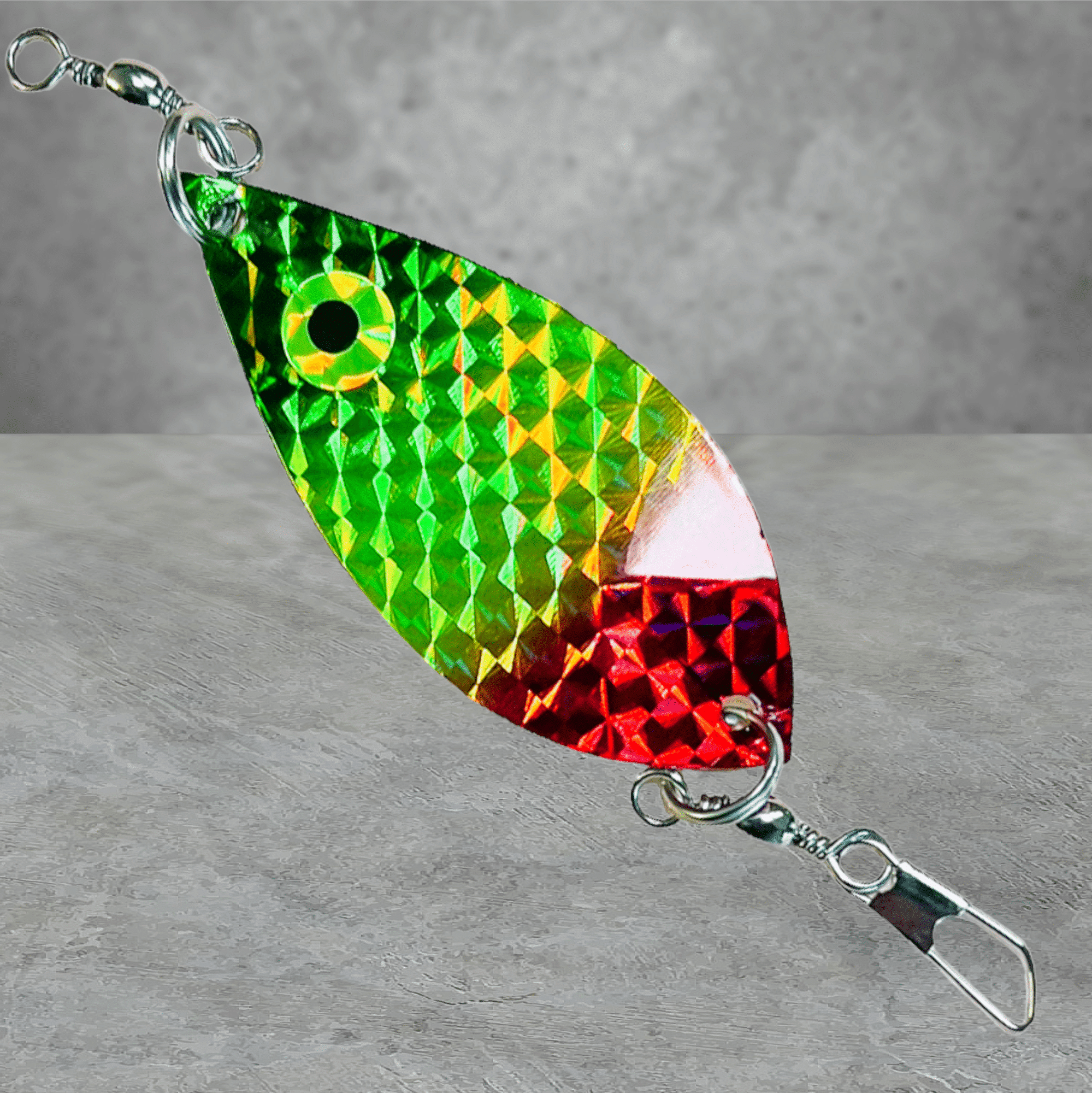
Not always. Cal Kellogg often runs spoons and small baits clean on the downrigger and lets the lure do the work. Match the size of the local bait fish. A big flasher or dodger adds attraction on deep or off-colored water, but a naked spoon shines when fish key on small pond smelt.
It depends on the lure. Spoons run fast and clean at 2.5 to 3 mph, while soft plastics and flies fish slow around 1.5 to 2.2 mph. Let the bait dictate speed, and vary it on turns until the fish show you what they want.
Shop the Tackle
- Trigger Spoon 2.25" - Trout & Landlocked Salmon
- Junior Trigger Spoon 1.25" - Trout & Salmon
- Speed Spoon 2.5" - Power Trolling Spoon
- Optimizer Size 3 3.625" - Trout & Salmon Trolling Spoon
- Optimizer Size 4 4.25" - Trout & Salmon Trolling Spoon
- Trix Minnows 3" - Trout Soft Bait - 5 Pack
- Trout
- Spoons
- Dodgers & Flashers