
Winter Trout Trolling Guide
A guide's playbook for winter trout trolling, covering depth, slow speeds, and waiting on rising surface temperature.
Part of the Trout Trolling cluster: Start with the How to Troll for Rainbow Trout: Complete Guide, then use this spoke to dial in the specific setup.
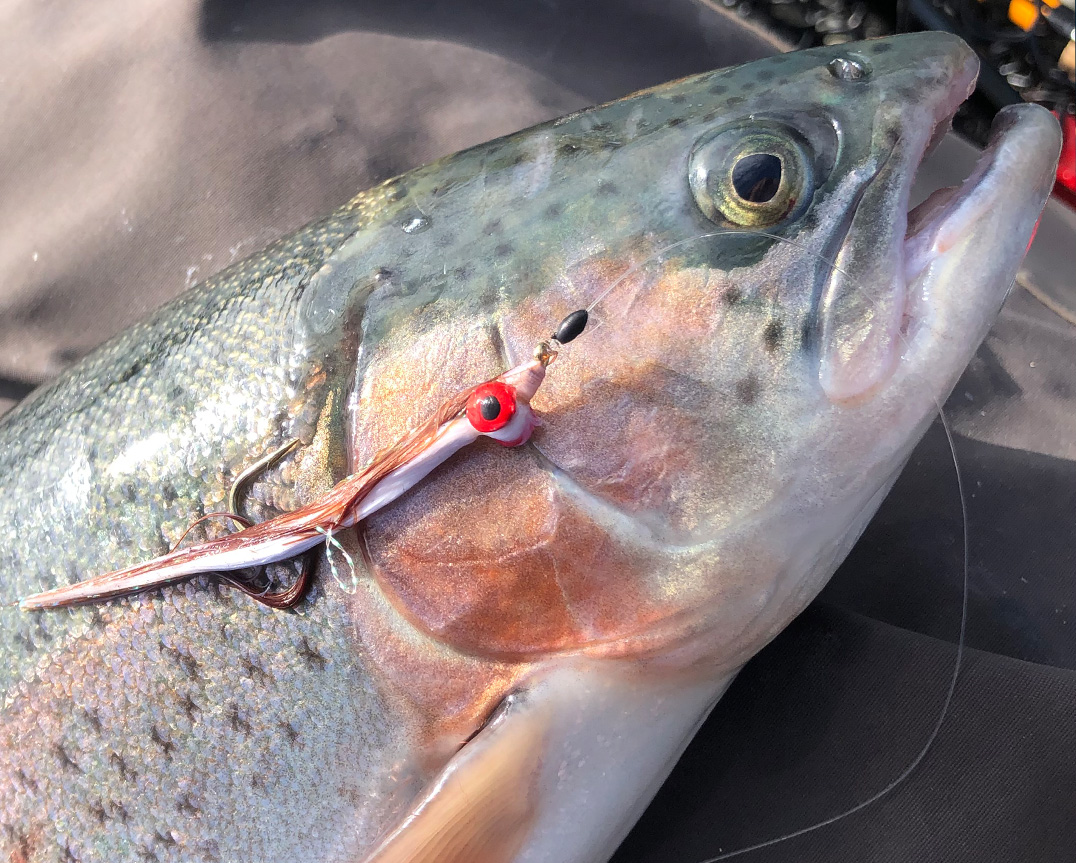
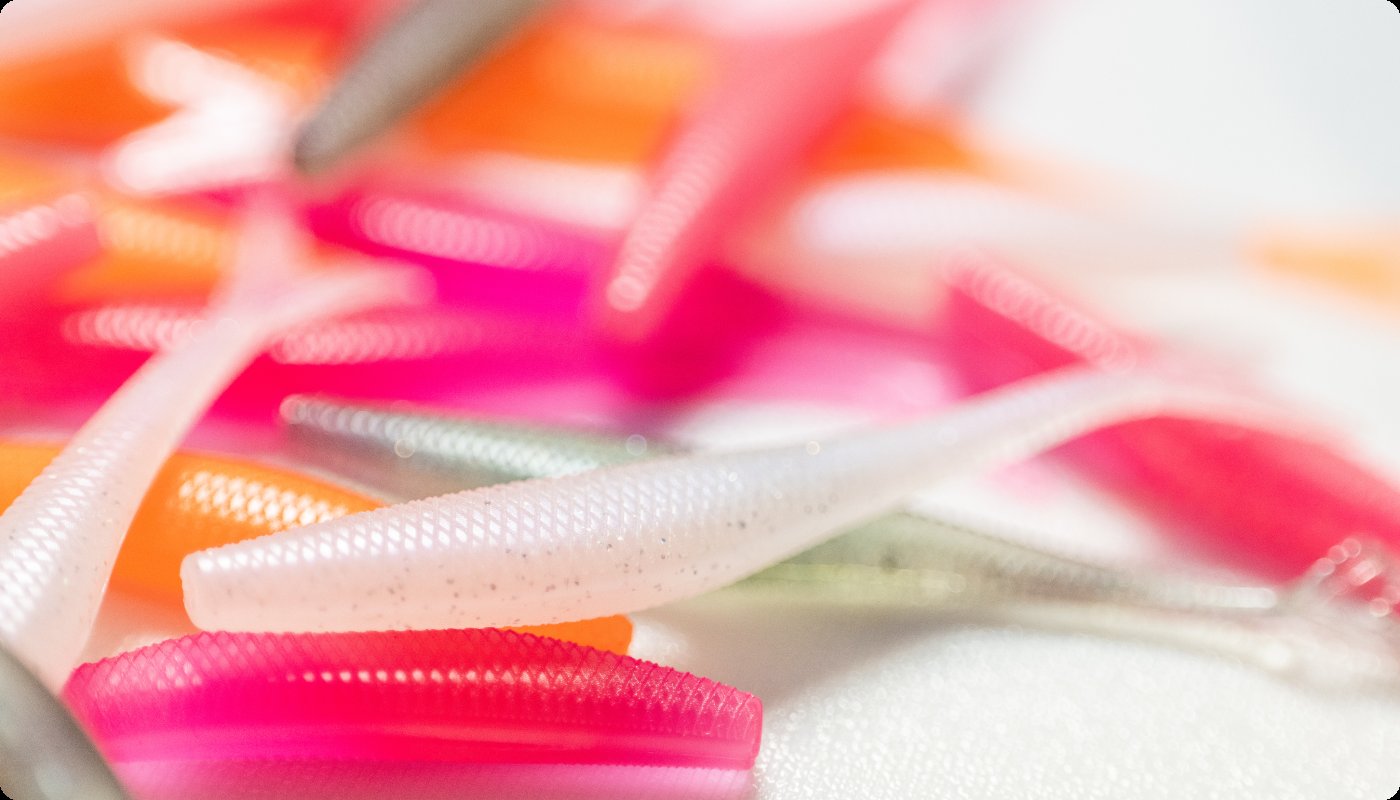
Troll slow and shallow for winter trout. The most active fish sit in the top 8 to 10 feet, so work that band and wait for the surface temperature to rise a degree or two before the bite kicks in. Cal Kellogg top-lines a pink Trix Minnow back about 175 feet, runs an orange-and-chrome Trigger Spoon Junior on one color of leadcore at 1.8 to 2 mph, and threads a worm behind a pink blade slathered in Trigger Scent. Fish tight to shore where the water warms first.
How deep should I fish for winter trout?
Shallow. Cal Kellogg keeps his baits in the top 8 to 10 feet, and when the surface drops below 50 degrees he tightens that to the top 8. The most active fish sit above the main biomass, so target the top of the water column even when your sonar marks fish deeper.
How slow should I troll in winter?
Slow. Cal starts around 1.8 to 2 mph, the high end of slow into the low end of medium. In mid-winter mountain water near 45 degrees the fish are lethargic and tentative, so a slow, high-action offering that stays in the strike zone draws more of those soft, light strikes.
Why does surface temperature matter so much in winter?
The bite follows the temperature. Cal has watched a lake climb from 47 to 53 degrees and seen the bite switch on when the surface rose just one degree. Water clarity is not the driver. Wait for that mid-morning warming trend and the deep fish will elevate and feed.
Where do winter trout hold in a lake?
Tight to the bank. As fall turns to winter, bait moves inshore because shallow, shoreline water warms faster in the afternoon sun, and the trout follow. Cal trolls shorelines, points, and coves in as little as 20 feet of water rather than running the deep main-lake channel.
What is the best spoon setup for winter trout?
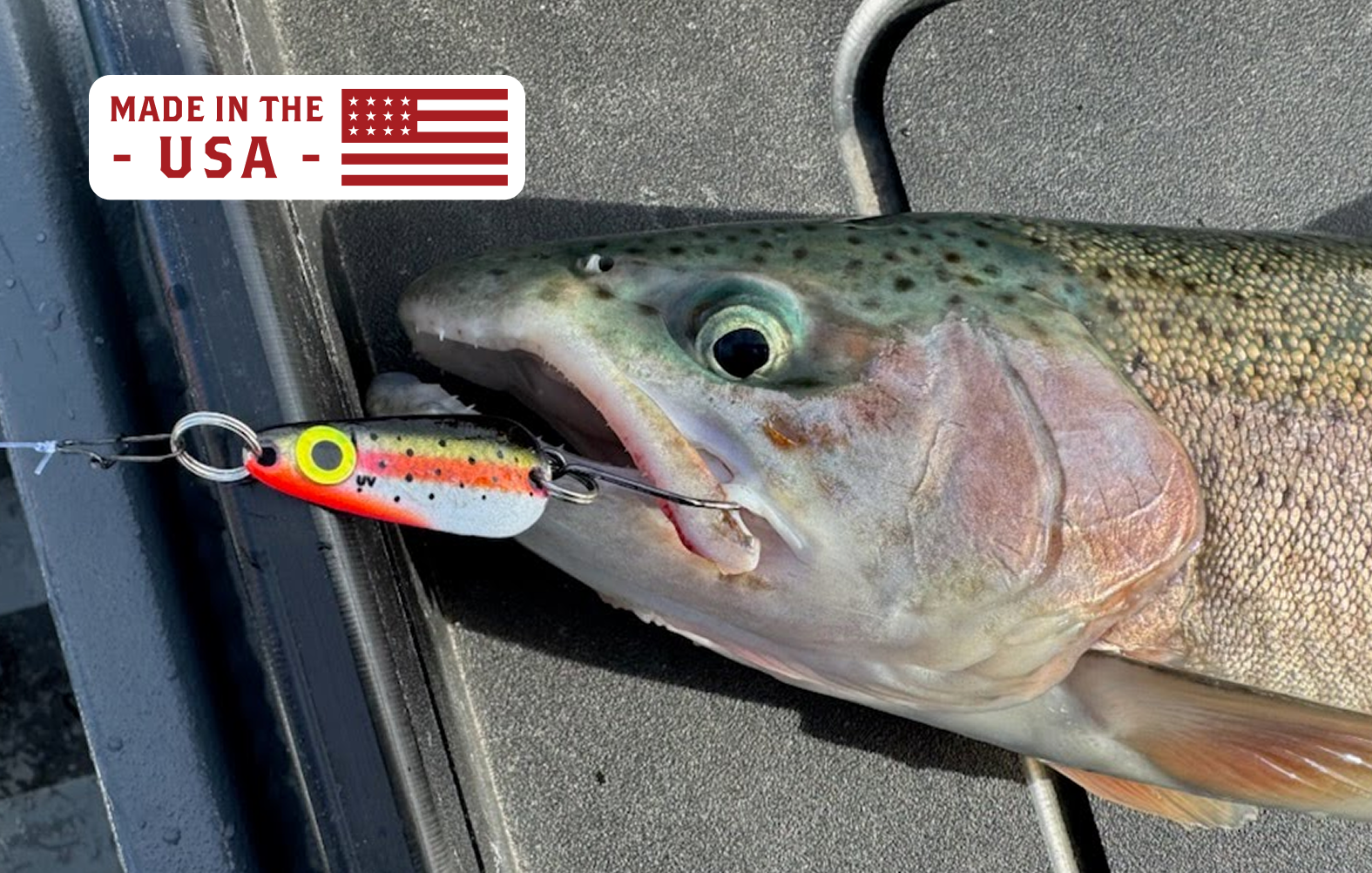
A small spoon run clean. Cal fishes an orange-and-chrome Trigger Spoon Junior on one color of leadcore about 5 feet down, and a watermelon Disco Minnow Junior top-lined 50 to 55 feet back at 1.8 to 2 mph. Spoons run clean or on leadcore, never behind a dodger.
What bait catches lethargic winter trout?
A scented, threaded worm. Cal runs a threaded worm on a slow death hook behind a small pink blade and slathers the whole rig in Trigger Scent. He also pulls a pink Trix Minnow top-lined about 175 feet back, roughly 3 feet deep, on a small trolling weight.
How do I hook light-biting winter trout?
Manipulate the rod. When a lethargic fish just taps a soft plastic, worm, or fly, grab the line and give it a little action rather than trolling on. That extra twitch closes the deal, and the fish usually pops it well back in its mouth, so it stays pinned.
Can I catch trout trolling in the rain?
Yes, but expect to work. Wear quality rain gear so you stay comfortable and focused. A falling barometer can spark an intense bite, while the post-front north wind makes it tough. Run a variety of baits, use scent, and fish patiently near shore until you find willing fish.
Watch the technique
Winter trout trolling FAQ
About 1.8 to 2 mph. That is the high end of the slow range, and it keeps a small spoon or scented worm in the strike zone long enough for a cold, tentative fish to commit. Slow down further if bites are only half-hearted taps.
No. Cal regularly catches trout in muddy, stained winter water. Trout find food by temperature and feel, not clarity. As long as the fish are active enough to move, they will locate your offering in dirty water.
Pink is a proven winter producer, from pink Trix Minnows to pink blades and pink flies. Orange-and-chrome and watermelon spoons also shine in cold water. Match whatever the fish show you they want that day and repeat it.
Mid-morning into early afternoon. The action tends to peak from roughly 10 a.m. to 2 p.m., when the surface temperature reaches its daily high. You do not need to launch at dawn in winter, since the warming trend drives the bite.
A retreating front usually brings a north wind and rising barometer, which makes trout lethargic and hard to catch. An approaching front and falling barometer often triggers a strong bite. Fish the leading edge of weather when you can.
A threaded worm on a slow death hook run behind a small blade, then slathered in scent. The blade draws fish in, and the real meat and scent get them to hold on long enough for the hook to find home.
Usually not. Because winter trout hold shallow, leadcore and top-lining reach them without a downrigger. Cal often runs one color of leadcore or a small trolling weight to stay in that productive top 5 to 10 feet.
Shop the Tackle
- Trigger Spoon 2.25" - Trout & Landlocked Salmon
- Junior Trigger Spoon 1.25" - Trout & Salmon
- Speed Spoon 2.5" - Power Trolling Spoon
- Optimizer Size 3 3.625" - Trout & Salmon Trolling Spoon
- Optimizer Size 4 4.25" - Trout & Salmon Trolling Spoon
- Trix Minnows 3" - Trout Soft Bait - 5 Pack
- Trout
- Spoons
- Dodgers & Flashers