
News

Gear Up for June: Striper Success at San Luis Reservoir
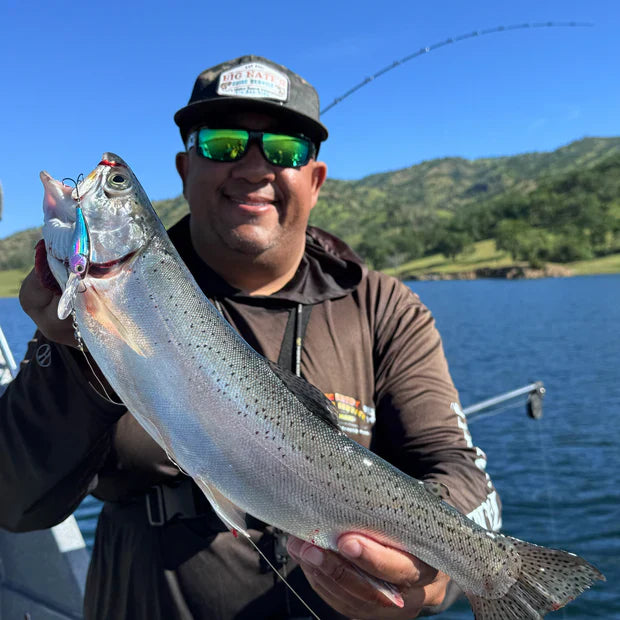
Summer is officially arriving at San Luis Reservoir, and the fishing patterns are shifting fast. In his latest report, Capt. Roger George breaks down exactly what you need to land those heavy-duty 24-inch Stripers as the water levels drop and temperatures rise. The Summer Shift: What’s Happening in the Water? The reservoir is currently dropping about a foot a day, with water temperatures climbing between 64 and 70 degrees. While the spawn is winding down, the fish are becoming incredibly aggressive and "fighting like crazy." Featured Gear: The Optimizer #4 To truly master the conditions at San Luis right now, having the right presentation is key. We recommend incorporating the Optimizer #4 into your setup. As the fish move deeper to escape the rising surface heat, the Optimizer #4 provides the perfect profile and action to trigger those aggressive strikes. Targeting the "Reaction Bite": Capt. Roger emphasizes that the "reaction bite" is the dominant pattern this June. The Optimizer #4 is designed to create the kind of underwater movement that forces a Striper to strike instinctively. Reaching the Depth: With fish holding in deeper columns, the Optimizer #4 helps you stay in the strike zone longer, giving you a better chance at those 24-inch "heavy duty" fish. Pro Tips for Your Next Trip: Follow the Temperature: With a heatwave incoming, expect the fish to move. Use your electronics to find them at depths of 50-60 feet. Stay Mobile: The schools are moving back and forth across the main lake—staying on the move with your Optimizer #4 will help you find the active bite. Watch the Wind: The wind dictates the activity. Be prepared to adjust your speed and depth the moment the breeze picks up. Ready to see these tactics in action? Check out the full breakdown from Capt. Roger George here: San Luis Reservoir: June Fishing Report | Capt. Roger George
Learn more
Cracking the Code: How the Optimizer Spoon Saved the Day in Monterey Bay
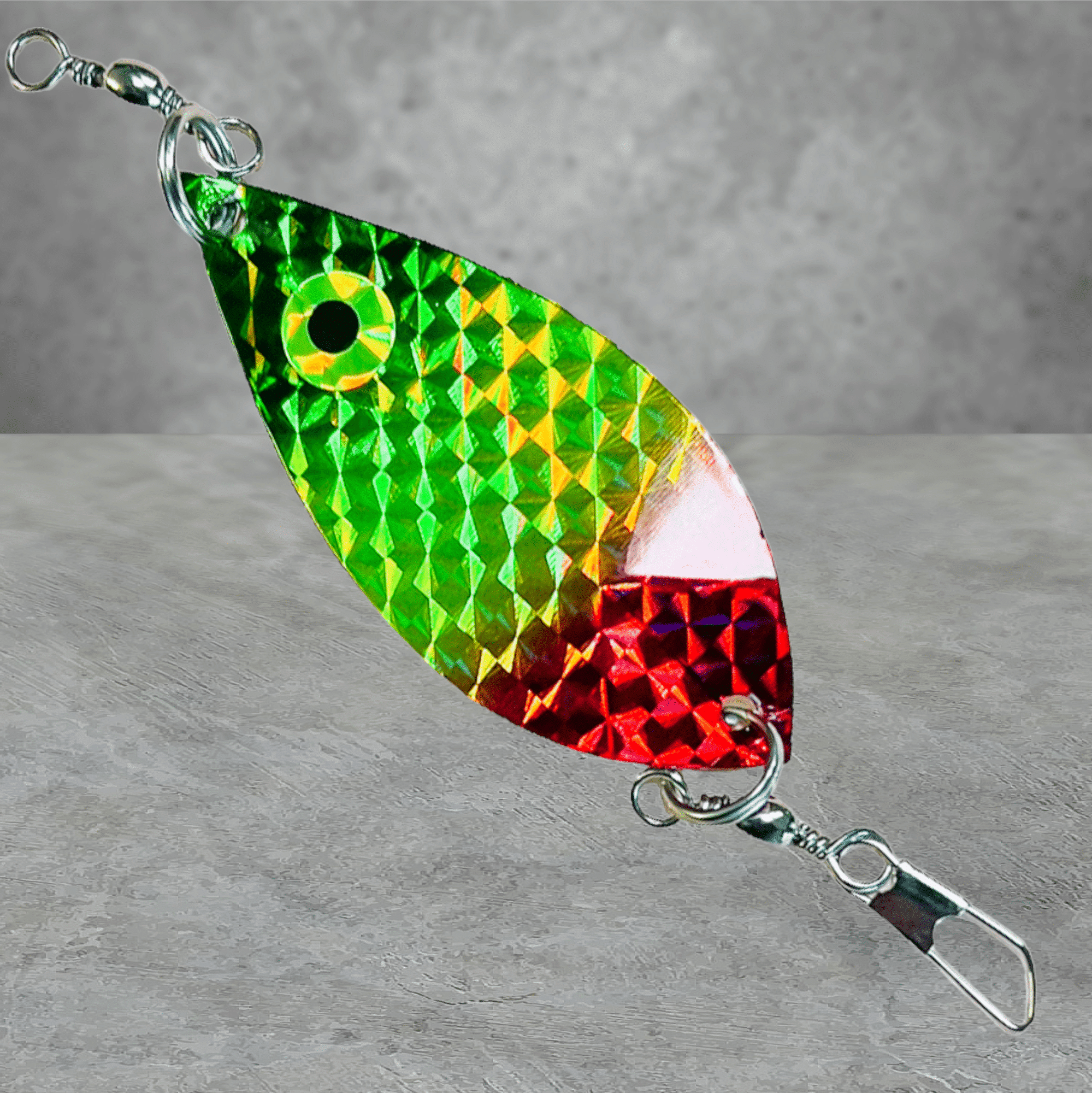
Every angler knows that feeling: you’re out in the middle of a massive salmon fleet, the radio is dead quiet, and hundreds of boats are struggling to find a single bite. The water is unusually warm, crystal clear, and devoid of the typical bait balls that bring the Chinook salmon to life. When the "normal" tactics stop working, it's time to change the game. On a recent trip to the Monterey Bay salmon fleet, that game-changer was the Catch America Optimizer Spoon. The Challenge: Tough Conditions and Zero Bait The day started at the "SoCal Hole," a prime spot for Monterey Bay Chinook. However, the conditions were anything but standard: Warm, Clear Water: Unlike the typical nutrient-rich "brown" water salmon love, the bay was clear and warm. No Bait: Sonar was blank—no anchovies, no algae, and very few fish marks. A "Dead" Fleet: With 500+ boats in the area and almost no one landing fish, the pressure was on to find something that stood out. The Strategy: Simplicity is Key Initially, the setup included a large chartreuse flasher to create extra commotion. But in water this clear and a bite this tough, "loud" isn't always better. The breakthrough happened when the flasher was removed, allowing the Optimizer Spoon to do exactly what it was designed for: pure, high-flash action. Why the Optimizer Spoon Won the Day The Optimizer isn't just another spoon; it’s a precision tool for picky predators. Here’s why it outperformed everything else in the fleet: Blinding Flash: Even at 180 feet down on the wire, the Optimizer’s finish is designed to catch every available bit of light. In clear water, this "blinding" effect triggers a predatory strike from a distance. Perfect Action at Speed: Trolling at about 2.5 miles per hour, the Optimizer maintains a consistent, lifelike kick that mimics a lonely, panicked baitfish—exactly what a hungry Chinook is looking for when bait is scarce. Single Barbless Setup: Rigged with a single barbless hook, it’s not only compliant with regulations but ensures a solid hookset and an easier release (or a cleaner trip to the ice box!). The Result: One for the Box While the rest of the fleet continued to struggle, the Optimizer delivered. By letting the lure "do its job" without the distraction of a heavy flasher, we landed a beautiful, healthy Chinook—the first of the season. Gear Breakdown Lure: Catch America Optimizer Spoon (Silver/High-Flash) Depth: 180 feet on the downrigger Speed: 2.5 MPH The Secret: "Less is more"—running the spoon solo in clear water. Final Thoughts When the conditions are tough, you have to trust your gear. The Optimizer Spoon proved that even when the fish aren't "on the chew," the right flash and the right action can make you the luckiest boat on the water. Ready to add the Optimizer to your tackle box? Check out the full range of Catch America gear and get ready for your best salmon season yet.
Learn more
Redemption at Rufus Woods: Cracking the Code for Giant Triploid Trout
There’s something special about Rufus Woods Reservoir. Known for its massive, sterile triploid trout that put all their energy into growth rather than spawning, it’s a bucket-list destination for any serious angler. After a previous trip was cut short by a brutal Washington winter, the Catch America crew returned for a "redemption trip" with local expert Capt. Austin Moser. The result? Over 30 fish landed, sore biceps, and a masterclass in using the right gear for the job. The Strategy: Adapting to the Bite Fishing Rufus Woods requires versatility. Throughout the day, the team rotated through three main techniques: Jigging: Using heavy jigs to reach the bottom-dwelling monsters. Bobber Fishing: Utilizing the Aeroflat and Arrow Jigs from Hawin Fishing to maintain a precise depth. Trolling/Flatlining: Using the Catch America Action Discs to give flies and lures that irresistible wiggle. The Game Changer: The T-Pex Spoon As the sun climbed higher and the morning bite began to slow, Austin reached into his "toolbox" for a secret weapon: the T-Pex Spoon (Tpex). Why the T-Pex Worked When the fish become more selective under the bright midday sun, the T-Pex Spoon offers several strategic advantages: Maximum Flash: Austin chose the gold color specifically for its ability to catch the high sun and trigger a predatory response from distance. Adjustable Presentation: One of the standout features of the T-Pex is the integrated bobber stop. This allowed the team to adjust the distance between the spoon and the hooks, fine-tuning the action based on how the trout were reacting. The "Trix" Combo: Austin paired the T-Pex with a Trix Minnow tail for added attraction. This hybrid setup provided both the flash of a spoon and the lifelike movement of a soft plastic. Instant Results The T-Pex wasn't in the water for five minutes before it triggered a triple-hookup! Even when the traditional fly bite had died down, the T-Pex continued to put "teeners" (trout in the 10-12 lb range) into the boat. Essential Gear Breakdown If you’re heading out to chase these "Prime Rib of the River" trout, here is the setup that dominated the day: Lures: T-Pex Spoons, Trix Minnows, and Catch America Action Discs. Rods: Okuma Celilo (4-10lb, 7’6”). These rods provided the perfect bend to handle the weight of a 12lb trout without snapping the line. Reels: Sapphire Reels spooled with 10lb P-Line Endura Braid. The braid is essential for cutting through the current and maintaining a direct connection to the lure. Final Thoughts Redemption was sweet. By the end of the day, the livewell was full, and the team had caught an estimated 450+ lbs of fish. The key takeaway? Don't be afraid to switch tactics. When the standard jigs stopped producing, the T-Pex Spoon saved the day. Ready to gear up for your own adventure? You can find all the lures used in this video at catchamerica.com.
Learn more
Family, Fun, and First-Time Kokanee: A Coeur d’Alene Adventure
There is nothing quite like taking your parents out on the water, especially when there’s a "first" involved. On our latest trip, we headed to the gorgeous Lake Coeur d’Alene in the Idaho Panhandle. My mom had never caught a Kokanee before, and my dad was just as eager to get in on the action. Even with a late start (after my finals!) and a glitchy fish finder, the day turned into an absolute clinic on how to target these finicky but delicious silver bullets. The Strategy: Midday Kokanee? No Problem. Usually, Kokanee fishing is an early morning or late evening game. We launched around 1:00 PM, but by sticking to the right depths and maintaining a steady troll of 1.5 mph, we were able to trigger a consistent bite. We marked most of our fish at about 25 feet, so we used 2 oz snap weights and let out about 100 feet of line to keep our lures right in the strike zone. Remember: Kokanee will come up to eat a lure, but they rarely chase one down, so staying just above them is key! The Gear: Testing the T-Pex This trip was the perfect opportunity to test out some specific Catch America gear: The T-Pex Spoon: This was our first time using the T-Pex for Kokanee, and it didn't disappoint! Its unique offset and multiple holes give it an incredible wobble that these fish couldn't resist. Catch America Dodgers: We ran a small bluish-color dodger to provide that essential flash and "thump." The Scent Secret: We tipped everything with corn soaked in Trophy Kokanee Scent. This scent (developed by pro guide Austin Moser) is a game-changer for getting neutral fish to commit. Pro Tips for Landing Finicky Kokanee Kokanee are famous for having soft mouths and being "escape artists" right at the boat. Here’s what we practiced to keep the catch rate high: Don't "Horse" Them: These aren't bass. If you reel too fast, you’ll rip the hook right out. Steady, light pressure is the name of the game. The 90-Degree Rule: I like to keep my rods at a 90-degree angle to the water. I find this gives the best hookup ratio when they strike. Bleed Them Immediately: To get the best flavor, we cut the gills right away and let them bleed in a bucket before moving them to ice. It makes a world of difference on the plate! A Successful Day Seeing my mom land her first-ever Kokanee and watching my dad hook into the biggest fish of the day made this trip one for the books. Whether you’re a pro or a beginner, Lake Coeur d'Alene remains one of the most beautiful places to wet a line. Want to try the setup we used? You can find the T-Pex Spoons, Catch America Dodgers, and the Trophy Kokanee Scent right here in the Catch America Shop. Suggested Blog Title: First-Time Kokanee Success: My Parents' Big Day at Lake Coeur d'Alene! Tips for your post: Photo Op: Use a screenshot of your mom's big smile when she landed her first fish—it’s the heart of the story! Call to Action: You mentioned in the video that you're looking for fish finder suggestions. You should definitely include that at the end of the blog post to get your readers commenting!
Learn more
Catch America Partners with Brad’s Killer Fishing Gear + Springer Catch & Cook
We have some massive news to share with the Catch America family! We recently traveled up to beautiful Washington to meet with Scott, the owner of Brad’s Killer Fishing Gear, and we are thrilled to announce that Brad’s is officially joining the Catch America team. Brad’s has been a staple in the fishing industry for over 25 years, starting from humble beginnings tying sturgeon leaders one by one to now offering over 1,000 high-quality products. We couldn’t be more excited to bring their legendary gear to our community. Why Brad’s Gear is a Game Changer During our visit, Scott gave us a deep dive into what makes their lures so effective. Whether you’re targeting Salmon, Kokanee, Trout, or even Bass, here’s why you need these in your tackle box: The Superbait Lineup: Their "Superbaits" and "Cut Plugs" are fish-catching machines. They come in three sizes (Standard, Mini, and Kokanee) and are designed to rotate through the water with an action fish can't resist. Hand-Painted Perfection: Every single lure is hand-painted with over 20 processes to ensure a "pop" and shine that production-line lures just can't match. Built-In Scent Chambers: These lures are designed to be "stuffer baits." You can open the cavity and add tuna in oil or your favorite scent. Pro Tip from Scott: Take the scent pad out if you’re using real tuna to let the scent leech out perfectly! Patented 360 Evolution Flasher: This flasher features a built-in release to reduce drag once you hook a fish, and adjustable holes so you can get the same "thump" at three different speeds. From the River to the Grill: The Columbia River Springer After talking gear, we hit the Columbia River with the legend Cameron Black and smashed our limits of Springer Salmon. These fish are famous for their high fat content (they sell for up to $80/lb!) because they stay in the river a long time before spawning. We took our catch back to Scott’s place for a "Catch & Cook" battle. Here are the two winning recipes: Recipe 1: Captain Nate’s Creamy Citrus Glaze Base: Mayonnaise (creates a perfect moisture seal) Seasoning: Celery salt, garlic salt, and freeze-dried cilantro. The Kick: A fresh squeeze of lemon juice. Method: Create a thick paste, coat the fillets generously, and grill until firm. Recipe 2: Scott’s Sweet & Smoky Maple Glaze Base: Avocado oil. Seasoning: Brown sugar, maple seasoning, garlic, and a pinch of salt/pepper. Method: Mix everything in a bag to ensure an even glaze, apply sparingly to let the salmon flavor shine, and grill to get those perfect char marks. The Verdict? Both were incredible! Scott’s had a wonderful smokiness and sweetness, while Nate’s was subtle and perfectly highlighted the richness of the Springer. The best part? Enjoying fresh fish with great friends. Ready to upgrade your gear? Head over to the Catch America Shop to check out the new Brad’s Killer Fishing Gear arrivals, including the Superbaits and 360 Flashers we used in this episode! Tips for your blog: Visuals: Add a photo of the "Superbait" open to show the scent cavity, and definitely a shot of those grilled salmon fillets! Direct Links: Use the names like "Brad's Superbaits" and "360 Evolution Flasher" as clickable links that go straight to those product pages on your site. Engagement: Ask your readers in the comments which recipe they would try: the Creamy Citrus or the Sweet Maple?
Learn more
Hunting Trophy Trout at Collins Lake: A Guide’s Strategy for Late Spring Transitions
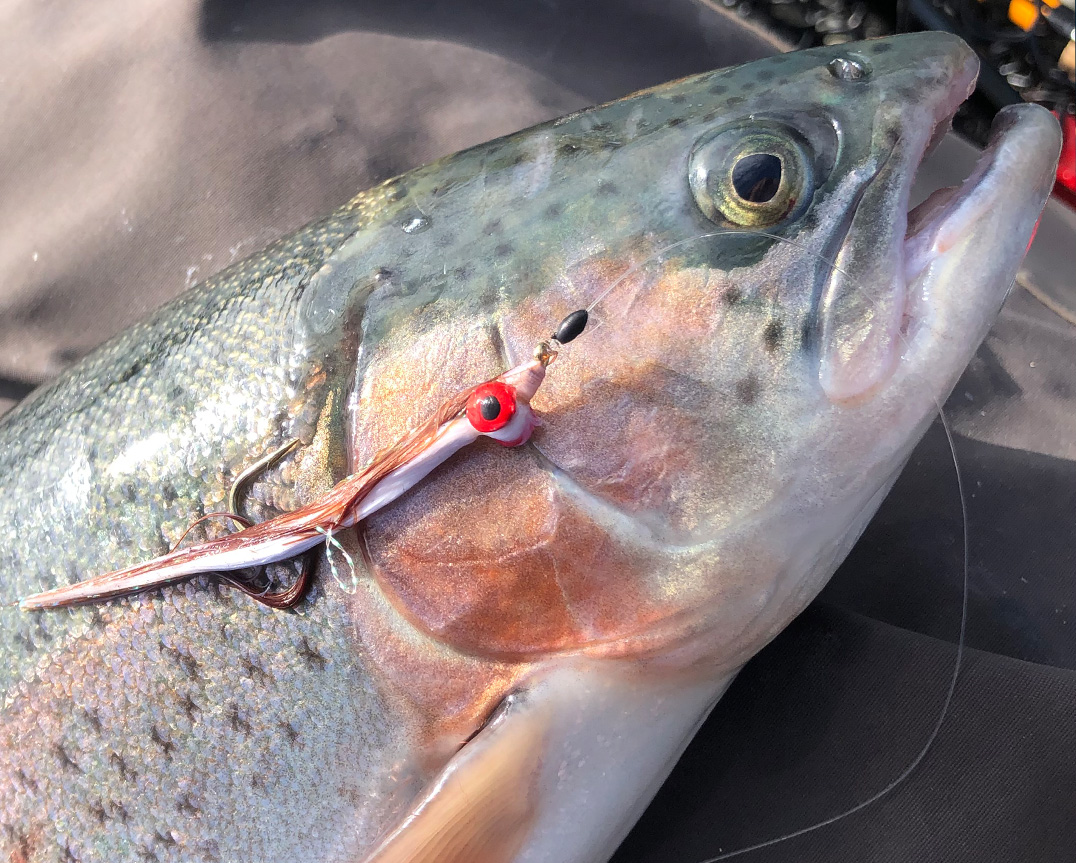
Late May is a unique time for trout fishing. At Collins Lake, we’re currently in that "spring transition"—shifting from early spring patterns to late spring conditions. On a recent trip with some of my regulars, Richard and Ron, and a new friend, Matt, we faced some tricky conditions that required a finesse approach to land the big ones. If you’re heading out soon, here’s the breakdown of what’s working and how we landed a massive trophy rainbow even when the bite felt slow. The Conditions: Understanding the Transition As of May 20th, surface temperatures have been fluctuating. A recent wind event actually dropped surface temps by about 3 degrees, sitting around 70°F in the morning. When the water starts warming up, trout move down. Earlier in the week, they were at 20 feet, but with the temperature shift, we had to start from zero and work the water column to find where they were most active. The Strategy: Spread 'Em Out When the bite is neutral, I like to run a variety of rigs to see what the fish are responding to. Our setup included: Side Planers with Lead Core: We ran a spoon on three colors of lead core behind a sidewinder side planer. This gets the lure about 12-15 feet deep and out of the boat's footprint. Downriggers: We kept these at about 20 feet using Trout Tricks worms in high-visibility colors like pink and orange. Divers & Middle Rods: We also ran divers off the bow and a middle lead core rod with an orange minnow. The "Finesse" Secret: Small Lure, Big Fish One of the biggest takeaways from this trip is that you don't need a giant lure to catch a giant fish. In fact, when fish are in a neutral mood, a small, unimposing lure often works best. Our biggest catch of the day—a beautiful 7-9 lb rainbow—hit the smallest spoon I have: a micro trigger spoon (orange top, silver back). Even with a tiny J-hook, we were able to land this beast by working together as a team and keeping the rod low to maintain tension. Pro Tip: Rigging for Tentative Fish If you find that fish are nipping at the tail but not committing, try this rigging trick with your soft plastics: Insert the hook into the nose of the worm. Thread it about halfway down (1 to 1.5 inches). Pop the point out and slide the worm up the shank so the hook is actually exposed and sitting further back. This ensures that even a "short strike" results in a solid hookup, often looping right around the lower jaw. The Mindset: Fish on Faith It was a slow day overall—we only landed a handful of trout and one bass—but we didn't give up. Fishing in late May requires patience and teamwork. By staying on the water and trusting the gear, we executed when the big hit finally came.
Learn more
450+ LBS OF FISH?! | Rufus Woods Redemption | Capt. Austin Moser
When the Crew Couldn't Make It Back, We Sent in a Local to Finish the Job There's something special about redemption trips. Earlier this year, the Catch America crew made their way to Rufus Woods Reservoir in eastern Washington, chasing the legendary triploid trout that call these waters home. They found some solid fish, but Washington's unpredictable winter weather had other plans. Last-minute changes forced Max and the crew to postpone their return trip. That's where I come in. As a local resident, I got the call to finish what they started. And if you know me, it doesn't take much convincing to go fishing. My car was packed in minutes, and I was on the road well before 3:00 AM, coffee in hand, ready for what would become one of the most incredible fishing days I've ever experienced. Why Rufus Woods Produces Monster Trout Rufus Woods Reservoir is known throughout the Pacific Northwest for one thing: massive triploid trout. These aren't your average stocked fish. Triploids are sterile, which means instead of putting energy into spawning, everything goes straight into growth. The result? Fish that regularly push 10+ pounds, with some true giants lurking in the depths. Today, I'd be fishing with Austin Moer from Austin's Northwest Adventures—a guide who knows these waters like the back of his hand. If anyone could put us on these trophy fish, it was Austin. The Early Morning Grind At 5:00 AM, with temperatures hovering around 32 degrees, we met up with Austin as light broke across the sky. After a brisk run upriver in the crisp morning air, Austin wasted no time showing us his go-to setup. The Trix Minnow Secret "I wanted to show you guys what I like to do with these Trix minnows," Austin explained as he rigged up. He takes the Trix minnow tail, trims it down to less than half its original size, and threads it onto a jig for added attraction. "I want it nice and straight, in line with the hook, so it's all in one plane," he demonstrated, adjusting the tail until it sat perfectly. And it didn't take long to prove the technique worked. On his very first cast, while still showing us the rigging process, Austin hooked up. "Wow, I was showing you guys how I like to rig my lures, and we got a fish!" he laughed as the rod bent. "That's a one-take wonder right there." When the Action Goes Absolutely Crazy What happened next can only be described as epic. Fish after fish started hitting, and I mean non-stop action. We were running three main techniques: 1. Jigs with Trix Minnows Casting these to the side of the boat, letting them drift to the bottom, then jigging them back up. The fish were absolutely pounding them. 2. Bobber Rods with Aeroflats Austin deployed the Aeroflat bobbers from Hawin Fishing (AF5 in half-ounce) with inline weights to get arrow jigs down into the strike zone quickly. The black and white color pattern was absolutely crushing it. "The beauty of these bobber rods is you can control the depth," Austin explained. "If you're seeing suspended fish or fishing along a shelf, you can put these baits within a foot or two of the bottom." 3. Trolling Plugs and Flies We had two rods running off the back—one with a plug, another with a Catch America fly equipped with an action disc. These would just sit there fishing while we worked the jigs, and regularly a rod would slam down with another fish. The Numbers Started Piling Up The action was so fast that I barely put a rod in my hand during the first few hours. I was too busy working the camera, trying to capture it all. Austin wasn't kidding when he said these fish were aggressive. "Just like an eight-pounder," he'd say casually, releasing another beautiful trout that would be a trophy in most other fisheries. We kept pushing, looking for those true trophies—the 10+ pound fish that Rufus Woods is famous for. And they came. One after another, we'd hook into solid fish. Seven-pounders, eight-pounders, nine-pounders—all released back into the reservoir. We were being selective, weeding through to find the biggest fish of the day. Adapting When the Bite Changed As the sun climbed higher in the sky, our fly bite started to slow down. This is where Austin's experience really showed. "We're going to start pulling things out of the toolbox," he said, switching from the fly to a Tpex with a Trix minnow trailer. The gold color with lots of flash was the ticket. Within five minutes of deploying the new setup, we had a triple-header going—three rods bent at once. The Tpex and Trix minnow combo was exactly what the fish wanted in the high sun conditions. Meanwhile, Back at the Ranch... While we were absolutely crushing it on the water, we got a FaceTime call from Max. He was back at the warehouse, filling over 100 orders. "Steve, Austin, hope you guys are having a good time," he said, surrounded by boxes. "My first job of the day is filling orders." We showed him the action, and you could see the mixture of excitement and good-natured jealousy on his face. When we caught a 12-pounder on camera during the call, the look on his face was priceless. The Final Tally By the end of the day, we'd caught over 30 fish. Not 30 small fish—we're talking fish averaging 7-10 pounds, with several pushing 11-12 pounds. We kept our limit of the biggest ones, and my arm was literally sore from fighting fish all day. The final keeper that we landed was an absolute beauty—a thick, healthy trout with a big belly that probably went 11 pounds. As I held it up for the camera, I couldn't help but reflect on the incredible day we'd just had. The Proof: Cleaning the Catch When we got back to the dock and started cleaning the fish, the quality was immediately apparent. These triploid trout are known for being some of the best eating fish you'll ever catch, and our catch was no exception. "Look at all the fat in those fillets," I said as we worked through them. "Super good eating. Best smoked fish you'll ever eat." The meat was beautiful—thick fillets with gorgeous marbling and fat layers throughout. These fish truly are the prime rib of the river. The Gear That Made It Happen For those wondering what equipment put 450+ pounds of fish in the boat, here's the rundown: Rods: Celio 4-10, 7'6" (for jigging) Akuma Salilo (my personal favorite—these rods are something else) Reels: Sapphire reels (new for this year and worked flawlessly) Line: 10lb Pine Endura braid (cuts through the water beautifully) Lures: Trix Minnows (the MVP of the day) Hawin Fishing arrow jigs (black and white pattern) Hawin Fishing Aeroflat bobbers (AF5 half-ounce) Catch America action disc flies Catch America Tpexes (with Trix minnow trailers) Various trolling plugs Book Your Own Rufus Woods Adventure If you've never experienced Rufus Woods fishing, you're missing out on one of the premier trout fisheries in the Pacific Northwest. And if you want to have the kind of day we had, I can't recommend Austin's Northwest Adventures highly enough. Austin's knowledge of this fishery is unmatched. From reading the water to selecting the right techniques for the conditions to knowing exactly where to find the big fish—he's the real deal. We caught over 30 fish, mostly in the 10-pound range, and released the vast majority of them. That's the kind of day he puts together regularly. Final Thoughts This redemption trip exceeded every expectation. What started as a fill-in mission turned into one of the most memorable days of fishing I've ever experienced. The action was non-stop, the fish were incredible, and the techniques we used proved themselves over and over again. From the moment Austin hooked that first fish while demonstrating his Trix minnow rigging technique, to the final 11-pound beauty that we kept to end the day, every moment was pure fishing magic. The Trix minnows, the bobber rod setups, the trolling flies with action discs—every technique produced fish after fish. My arms are still sore from fighting trout all day. I lost count after 30 fish, and that's not an exaggeration. These weren't dinks either—most were in the 7-10 pound range, with several genuine trophies that pushed past 11 pounds. If you're looking for an epic fishing adventure, Rufus Woods should be at the top of your list. And if you want to maximize your chances of success, book a trip with Austin's Northwest Adventures. Trust me, you won't regret it. Ready to Experience Rufus Woods for Yourself? All the gear we used is available at CatchAmerica.com, and you can book your trip with Austin's Northwest Adventures through the links in the video description. Tight lines, and we'll see you on the water!
Learn more
Captain Nate’s Go-To Spoon for Winter Trolling Success
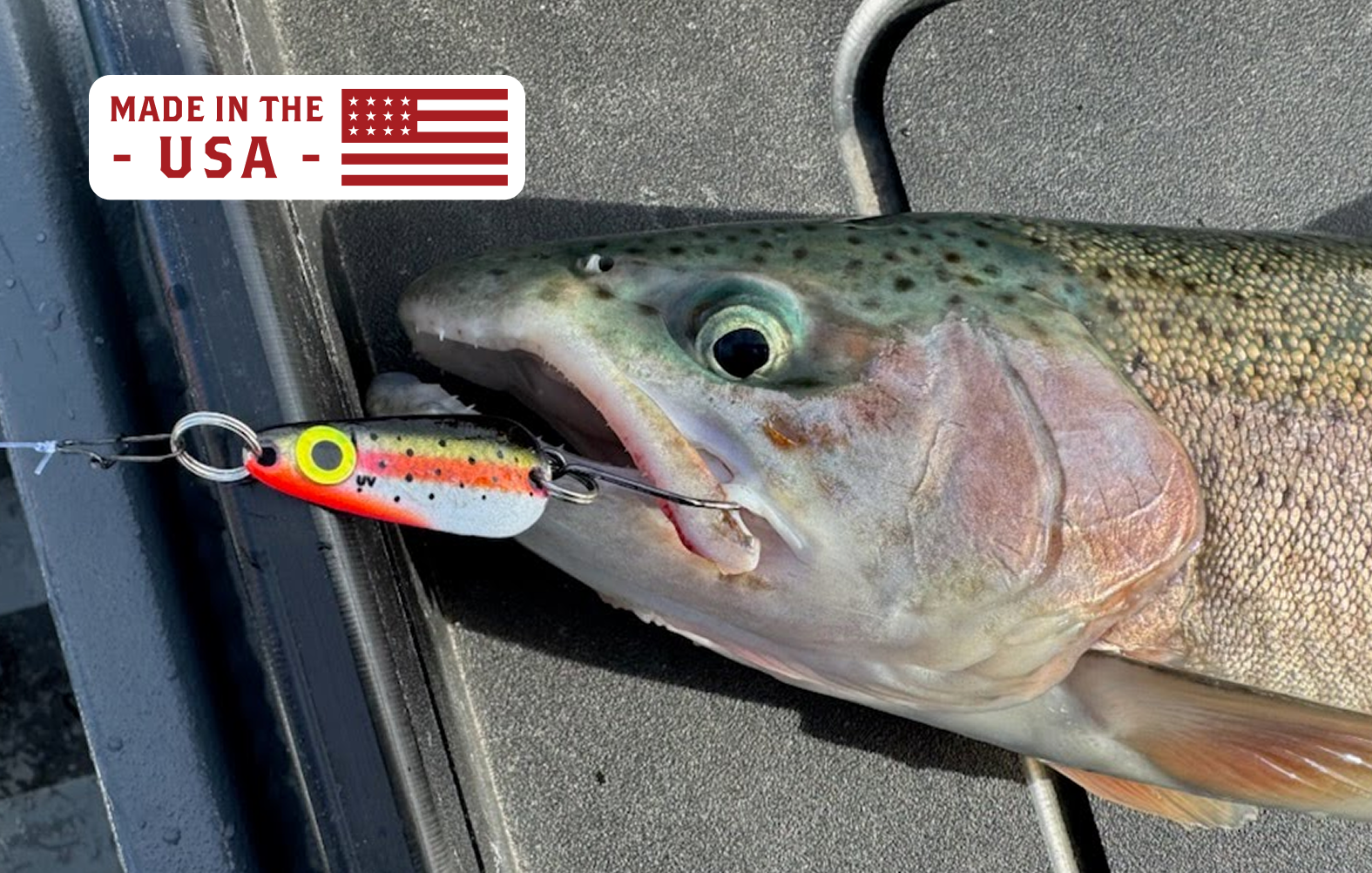
When winter sets in and baitfish shrink, trout and salmon can become surprisingly picky. Matching the hatch isn’t just for fly fishing—it’s critical for trolling too. That’s why Captain Nate has leaned heavily on one lure over the past few months, and it’s been consistently putting fish in the box. The Trigger Spoon Jr.: A Wintertime Favorite Captain Nate’s number one spoon this time of year is the Trigger Spoon Jr. The reason is simple: profile. During the colder months—typically from December through February—most lakes are filled with very small baitfish. Whether it’s threadfin shad, pond smelt, silverside shiners, or similar forage, the common factor is size. Bigger spoons often get ignored, but the Trigger Spoon Jr. perfectly matches that small bait profile trout and salmon are locked onto. That smaller silhouette, combined with an aggressive action, makes this spoon deadly when fish are feeding selectively. Best Colors for Cold Water Conditions While Captain Nate has had great success with one standout color, he emphasizes that multiple finishes have been producing fish consistently. Some of the top-performing patterns include: Shad patterns Red shad Orange shad Blue and chrome Copper Hammered gold In general, flashy metallic finishes excel during winter months, especially when light penetration is low. These colors help the spoon stand out while still looking natural. Dialing in the Right Trolling Speed Speed is critical when running smaller spoons. For the Trigger Spoon Jr., Captain Nate recommends an optimal trolling range of: 2.0 to 3.0 mph,with the sweet spot landing between 2.5 and 2.8 mph. At this speed, the spoon delivers an erratic, high-action wobble that triggers reaction strikes without overpowering the presentation. This action closely mimics injured or fleeing baitfish—exactly what predators are looking for in cold water. Proper Rigging Matters To get the most out of the Trigger Spoon Jr., Captain Nate stresses the importance of rigging correctly. Rod & Reel Setup 7-foot downrigger rod rated for 2–8 lb line Shimano Tekota 300 reel Spooling with 8 lb Maxima line This setup provides a deep, forgiving bend that keeps fish pinned and absorbs head shakes during the fight. Swivel ChoiceOne of the most important components is a high-quality ball bearing swivel. Because the Trigger Spoon Jr. has such an erratic action, using a standard snap swivel can lead to excessive line twist. A high-speed ball bearing swivel designed for trolling eliminates that problem and keeps your setup running clean all day. Seasonal Transitions: When to Size Up As water temperatures rise and baitfish grow larger heading into spring and summer, Captain Nate transitions to bigger spoons, including: Trigger Spoon (Original) Optimizers Optimizer Jr. Sizes 3 and 4 But during the heart of winter, the Trigger Spoon Jr. remains the top producer. Final Tips for Maximum Success Match spoon size to baitfish size Run speeds between 2.5–2.8 mph Use a quality ball bearing swivel Don’t be afraid of flashy finishes Add Chrome Killer scent generously for extra attraction Shop the Trigger Spoon Jr. at Catch America All of Captain Nate’s recommended spoons are available at Catch America, including individual colors, packages, and kits. If you’re looking to stay consistent during tough winter conditions, the Trigger Spoon Jr. deserves a spot in your spread. Tight lines,Catch America Team
Learn more
Winter Adventure at Gold Lake: Casting for Giants in the High Sierras
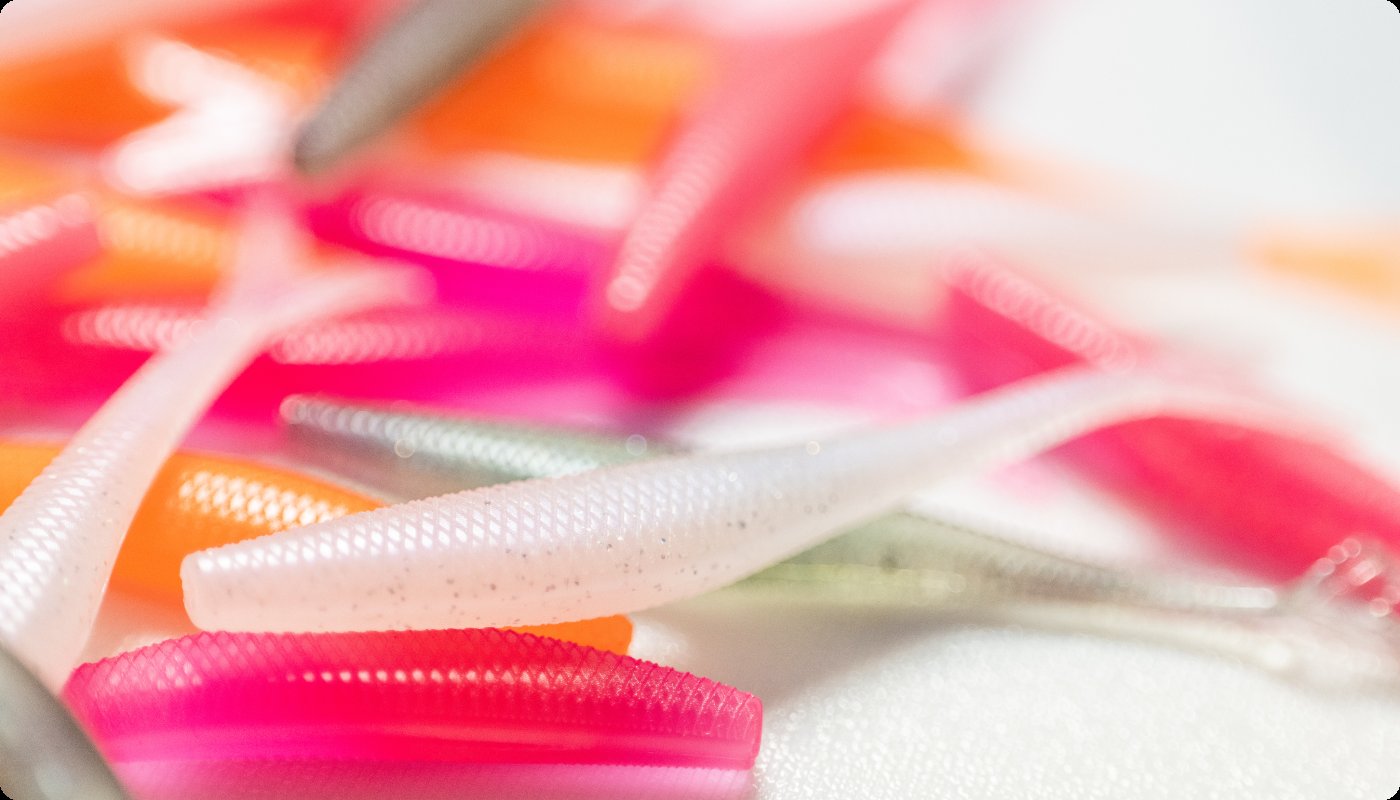
Winter fishing isn’t always about perfect conditions and easy access. Sometimes, it’s about following the road—whether it’s paved or not—and seeing where the adventure leads. That’s exactly how this trip began. Getting There Is Half the Story The crew set out for a winter fishing mission that was supposed to be a simple drive—but quickly turned into a backcountry adventure. Fresh snow, mountain roads, and a questionable Google Maps route led deep into the high Sierras. After nearly getting stuck and realizing not every “road” is boat-friendly, the group finally found their way—about 37 minutes from Gold Lake and just a little late. But when winter fishing is this good, the journey is always worth it. Gold Lake Winter Fishing at 6,400 Feet Perched at roughly 6,400 feet elevation, Gold Lake delivered everything winter anglers dream of. The group wasted no time getting into fish—rainbows, browns, and mackinaw (lake trout). Unlike typical winter trolling, this day was all about ultra-light tackle casting. No downriggers, no trolling passes—just light spinning gear, soft plastics, and precise presentations. And the results? Fish after fish, including double-digit brown trout pushing well into the 12–15 lb range. Understanding Structure: Where the Big Fish Live One of the keys to success at Gold Lake was understanding underwater structure. Along the willow-lined shore, shallow flats of 6–8 feet dropped abruptly into darker green water—signaling deeper zones. These drop-offs act like highways for trout and mackinaw. Fish cruise the deep water while watching the shallows for: • Minnows• Aquatic insects• Anything that falls off the shelf By casting parallel to the edge, the crew stayed right in the strike zone—and the fish responded aggressively. Plastics That Flat-Out Worked Plastics played a massive role in this trip. Trout and mackinaw were hitting nearly everything, but a few stood out: • Bright orange plastics (even without matching natural forage)• Bug-style plastics• Multiple color variations to dial in the bite Soft plastics shine in cold water because they feel natural, move realistically, and fish tend to hold onto them longer—giving anglers more time to set the hook. How to Rig Plastics for Trout Casting Proper rigging made all the difference. • Thread the plastic straight through the nose• Bring the hook out cleanly near the tail• Seat the bait snug against the jig head collar• Make sure the bait is perfectly straight—not twisted or bunched A straight bait swims naturally and looks like a real aquatic insect crawling along the bottom. The Casting Technique That Triggered Bites The casting method used on this trip was simple, effective, and deadly. Step-by-step approach: • Cast into deeper water (10–30 feet is ideal)• Let the bait sink 10–15 seconds to reach bottom• Keep the rod tip low• Pop the jig 3–5 short times to make it “buggy”• Reel just enough to keep the line tight• Pause occasionally and watch the rod tip Most bites weren’t aggressive strikes—you’d feel the fish mouthing the plastic. When that happened, a smooth sweep set the hook—no need for a big hookset. Light Tackle, Big Power Using 4 lb test line on light spinning gear, the crew battled some serious fish. Browns and mackinaw dug deep, bulldogged the bottom, and tested every knot in the system. One massive mackinaw showed just how aggressive these fish are in winter—its stomach revealed multiple trout, proving why slightly larger baits can sometimes be the right call. Why Winter Casting Works As mackinaw prepare to spawn, they move shallower and become more accessible. Browns and rainbows follow structure and feed heavily in cold water when presentations are slow and precise. Winter casting isn’t common—but when done right, it can be absolutely lights out. Final Takeaway This trip to Gold Lake was a reminder of what fishing is really about: • Adventure• Learning• Trying different techniques• Trusting your gear From questionable mountain roads to giant trout on light tackle, winter fishing doesn’t get much better than this. Stay tuned for more tactics, gear breakdowns, and on-the-water adventures from the Catch America Team.
Learn more